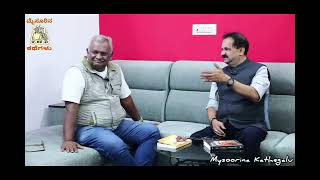
ಧರ್ಮಿ ಸರ್ ಅವರ ವಾಹಿನಿ, ಸ್ಥಳದಿಂದ ಸ್ಥಳಕ್ಕೆ

ಮೈಸೂರಿನ ಕಥೆಗಳು

Mysoorina Kathegalu

ಧರ್ಮಿ ಸರ್ ಎಂದೇ ಪರಿಚಿತರಾದ ಧರ್ಮೇಂದ್ರ ಕುಮಾರ್ ಅರೇನಹಳ್ಳಿ ಕರ್ನಾಟಕವನ್ನು ಸ್ಥಳದಿಂದ ಸ್ಥಳಕ್ಕೆ ಕನ್ನಡದಲ್ಲಿ ಹೇಳುತ್ತಾರೆ. ಅವರ ವಾಹಿನಿ ಮೈಸೂರಿನ ಕಥೆಗಳಲ್ಲಿ ದೇವಾಲಯ, ಕೋಟೆ, ಅರಮನೆ, ಬೀದಿ ಮತ್ತು ಜನರ 852 ಕಥೆಗಳಿವೆ.

ಧರ್ಮೇಂದ್ರ ಕುಮಾರ್ ಅರೇನಹಳ್ಳಿ Dharmendra Kumar Arenahalli ಜನ ಅವರನ್ನು ಧರ್ಮಿ ಸರ್, ಧರ್ಮಿ, ಧರ್ಮಣ್ಣ ಎಂದು ಕರೆಯುತ್ತಾರೆ. ಕರ್ನಾಟಕದ ಸಿವಿಲ್ ಇಂಜಿನಿಯರ್, ಸಾಮಾಜಿಕ ಇತಿಹಾಸಕಾರ, ಮತ್ತು ಡಿಜಿಟಲ್ ಕಥೆಗಾರ.

ಯೂಟ್ಯೂಬ್‌ನಲ್ಲಿ @mysoorinakathegalu9509 ↗
ಕಿತ್ತೂರು ಕರ್ನಾಟಕ, ಜಿಲ್ಲೆಗಳು

3 ಕಥೆಗಳು

ಕಿತ್ತೂರು ಕರ್ನಾಟಕ · ಬಾಗಲಕೋಟೆ
ವಿಳಾಸ /?lang=kn&region=kittur&district=Bagalkot
ಎಲ್ಲವನ್ನೂ ತೆರವುಗೊಳಿಸಿ
03 ಯೂಟ್ಯೂಬ್‌ನಲ್ಲಿ ನೋಡಿ ↗
Vatapi · ಬಾಗಲಕೋಟೆ
Chalukyas ಸರಣಿ · ಸಂಚಿಕೆ 3

EP03 | ಚಾಲುಕ್ಯರು | ಪುಲಿಕೇಶಿಯ ನಂತರದ ದಿನಗಳು...

The days after Pulakeshin II, including the Pallava capture of Vatapi.

Paranjyoti, also known as Sirruthondar, was a 7th‑century Pallava general who served under King Narasimhavarman I (630‑668 CE). Originally a warrior of the Pallava dynasty, he distinguished himself in the campaign against the Chalukyas of Vatapi and is credited with leading the Pallava forces that captured Vatapi in 642 CE, killing the Chalukya king Pulakeshin II  ¹ ². After his military career, Paranjyoti renounced violence and became a Saivite monk, eventually being counted among the 63 Nayanars, the Shaivite saints of Tamil tradition. His legend is celebrated in Tamil literature, notably in Kalki Krishnamurthy’s novel _Sivagamiyin Sapatham_  ¹. Would you like to know more about the Vatapi conquest or how Paranjyoti’s story is remembered in Tamil religious texts?

ಆಸ್ಥಾನದ ಇತಿಹಾಸ
Pulakeshin II, ಚಾಲುಕ್ಯ
01 ಯೂಟ್ಯೂಬ್‌ನಲ್ಲಿ ನೋಡಿ ↗
Badami · ಬಾಗಲಕೋಟೆ
Chalukyas ಸರಣಿ · ಸಂಚಿಕೆ 1

EP01 | ಚಾಲುಕ್ಯರು | ಇಮ್ಮಡಿ ಪುಲಿಕೇಶಿಯ ರಂಗಪ್ರವೇಶ...

The rise of Pulakeshin II of the Badami Chalukyas.

The Badami Chalukyas were the rock‑stars of early medieval South India (6th, 8th century). They kicked off the Chalukya dynasty from their capital at Badami (then Vatapi) in Karnataka. - *Founders*: Pulakeshin I carved out the kingdom around 540 CE; his son Karikala expanded it. - *Golden age*: Pulakeshin II (c. 610‑642) is the big name, he beat Harsha of Kannauj, took control of the Deccan, and even sent an embassy to the Persian king. - *Architecture*: They built the famous cave temples at Badami (cave 1‑4) and the early structural temples at Aihole and Pattadakal, think bold pillars, intricate carvings, and a mix of Dravidian & Nagara styles. - *Culture*: Patrons of art, literature, and both Hindu & Jain traditions. The poet‑king Ravikirti’s Aihole inscription is a key historical record. - *Legacy*: Their rule paved the way for the later Rashtrakutas and the Western Chalukyas, shaping the region’s political and cultural landscape for centuries. If you want the nitty‑gritty on any king, temple, or inscription, just let me know! #BadamiChalukyas #ChalukyaDynasty #PulakeshinII #Aihole #Pattadakal #IndianHistory #SouthIndia #AncientArchitecture

ಆಸ್ಥಾನದ ಇತಿಹಾಸ · ಜೀವನ ಚರಿತ್ರೆ
Pulakeshin II, ಚಾಲುಕ್ಯ
ಯೂಟ್ಯೂಬ್‌ನಲ್ಲಿ ನೋಡಿ ↗
Badami · ಬಾಗಲಕೋಟೆ

ಇಮ್ಮಡಿ ಪುಲಿಕೇಶಿಯ ಕೊನೆಯ ದಿನಗಳು...

The last days of Pulakeshin II, who ruled from Vatapi, present-day Badami.

Immadi Pulikeshin II, also known as Pulakeshin II, was the greatest Chalukyan Emperor who ruled from Vatapi (present-day Badami in Karnataka, India) from around 609 to 642 CE. He expanded the Chalukya Empire to cover most of the Deccan region in peninsular India, making him a legendary figure in Karnataka's history. *Early Life and Reign* - He was the son of Chalukya monarch Kirttivarman I and overthrew his uncle Mangalesha to claim the throne. - Pulikeshin II suppressed rebellions, defeated the Kadambas of Banavasi, and gained the allegiance of the Alupas and Gangas of Talakadu. *Military Conquests* - *Victory over Harshavardhana*: His most notable achievement was defeating the powerful northern emperor Harshavardhana, earning him the title "Paramaveshvara" (Supreme Lord). - He conquered the Vishnukundina kingdom (lower Godavari-Krishna valley) and appointed his brother Kubja Vishnu-vardhana as governor. - He also subjugated rulers of Dakshina Kosala and Kalinga. *Cultural Contributions* - Pulikeshin II was a Vaishnavite Hindu but patronized Jainism, evident from the Aihole inscription composed by poet Ravikirtti, which records the construction of a Jinendra temple. - He encouraged Zoroastrian refugees (Parsis) fleeing Arab-Islamic persecution in Persia to settle on India's west coast. - Architectural feats include temples in Badami, Aihole (like Meguti Jain temple), and Pattadakal, blending cave and Dravidian styles. *Legacy* - Chinese pilgrim Xuanzang described Pulikeshin as "farsighted, astute, and kind," with subjects who valued loyalty and honor. - His story inspired works like Kalki Krishnamurthy's Tamil novel "Sivagamiyin Sapatham" (1948) and the 1967 Kannada film "Immadi Pulikeshi" starring Dr. Rajkumar. - He's remembered as a great warrior, shrewd politician, and benevolent ruler in Karnataka's history ¹ ² ³. Would you like to know more about his battles, cultural impact, or the Chalukya dynasty? 🤔

ಜೀವನ ಚರಿತ್ರೆ · ಯುದ್ಧ
Pulakeshin II, ಚಾಲುಕ್ಯ