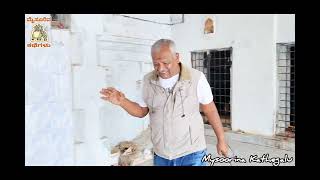
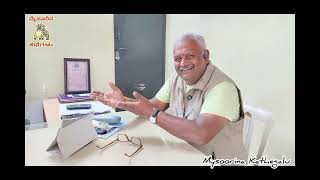
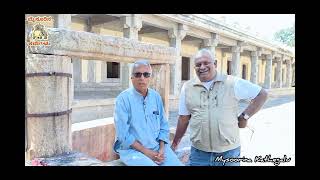
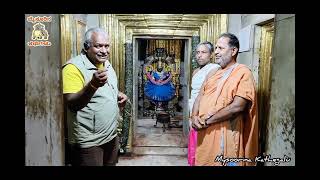
ಧರ್ಮಿ ಸರ್ ಎಂದೇ ಪರಿಚಿತರಾದ ಧರ್ಮೇಂದ್ರ ಕುಮಾರ್ ಅರೇನಹಳ್ಳಿ ಕರ್ನಾಟಕವನ್ನು ಸ್ಥಳದಿಂದ ಸ್ಥಳಕ್ಕೆ ಕನ್ನಡದಲ್ಲಿ ಹೇಳುತ್ತಾರೆ. ಅವರ ವಾಹಿನಿ ಮೈಸೂರಿನ ಕಥೆಗಳಲ್ಲಿ ದೇವಾಲಯ, ಕೋಟೆ, ಅರಮನೆ, ಬೀದಿ ಮತ್ತು ಜನರ 852 ಕಥೆಗಳಿವೆ.
ಧರ್ಮೇಂದ್ರ ಕುಮಾರ್ ಅರೇನಹಳ್ಳಿDharmendra Kumar Arenahalliಜನ ಅವರನ್ನು ಧರ್ಮಿ ಸರ್, ಧರ್ಮಿ, ಧರ್ಮಣ್ಣ ಎಂದು ಕರೆಯುತ್ತಾರೆ. ಕರ್ನಾಟಕದ ಸಿವಿಲ್ ಇಂಜಿನಿಯರ್, ಸಾಮಾಜಿಕ ಇತಿಹಾಸಕಾರ, ಮತ್ತು ಡಿಜಿಟಲ್ ಕಥೆಗಾರ.
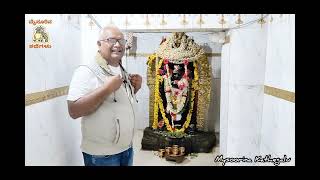
EP20 | ಚಾಮರಾಜನಗರ | ಚಾಮರಾಜೇಶ್ವರ ಗುಡಿಯ ವೈಭವ... ಭಾಗ 01
Part 1 on the Chamarajeshwara temple in Chamarajanagar.
The Chamarajeshwara Temple in Chamarajanagar, Karnataka, is a stunning example of Dravidian and Hoysala architecture, dedicated to Lord Shiva. Built in the 18th century (1826) by Maharaja Mummadi Krishna Raja Wodeyar in memory of his father, Sri Jayachamarajendra Wodeyar, this temple is a must-visit for its spiritual and architectural significance ¹ ² ³.
Key Highlights:
- *Architecture*: The temple boasts a 70-feet tall, five-tiered Rajagopuram with intricate carvings and five brass Kalashas. Its walls depict mythological scenes like Girija Kalyana and Samudra Manthan.
- *Deities*: The main deity is Chamarajeshwara (Lord Shiva in Linga form), accompanied by Ganesha and Chamundeshwari at the entrance. There are also shrines for Parvati, Nandi, and 64 other gods and goddesses.
- *Festivals*:
- *Rathayatra (Chariot Festival)*: A grand July festival where devotees pull a 167-year-old chariot; newly married couples throw ripe bananas under it for blessings.
- *Shivaratri and Girija Kalyana*: Major festivals celebrated with special rituals.
- *Timings*: 7:30 AM - 11:30 AM and 5:30 PM - 8:30 PM.
- *Location*: Car St, Galipur, Chamarajanagar, Karnataka 571313.
- *How to Reach*:
- *By Road*: 185 km from Bangalore; 60 km from Mysore. Buses connect major cities.
- *By Rail*: Chamarajanagar Railway Station is nearby.
- *By Air*: Nearest airports are Mysore (27 km) and Coimbatore (130 km) ⁴ ² ⁵.
This temple is a blend of history, spirituality, and art, making it a great spot to visit with family or friends ³.
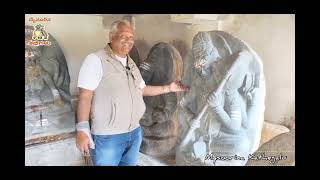
EP12 | ಚಾಮರಾಜನಗರ | ತೆರಕಣಾ0ಬಿ | ಸಾವಿರ ವರ್ಷ ಪುರಾತನ ಲಕ್ಷ್ಮೀವರದರಾಜ ಸ್ವಾಮಿ...
The thousand-year-old Lakshmivaradaraja temple at Terakanambi in Chamarajanagar.
Lord Varadaraja Swamy is a revered form of Lord Vishnu in Hinduism, worshipped as the "King of Boons" or "the bestower of boons". He's the primary deity of the Varadaraja Perumal Temple in Kanchipuram, Tamil Nadu, one of the 108 Divya Desams (sacred Vishnu temples).
*Key Aspects of Lord Varadaraja Swamy:*
- *Meaning*: The name "Varadaraja" translates to "the king who confers boons", symbolizing his role as a benevolent deity who grants wishes and blessings to his devotees.
- *Iconography*: Lord Varadaraja Swamy is often depicted with four hands, holding a conch, discus, mace, and lotus, representing his divine powers.
- *Temple Significance*: The Varadaraja Perumal Temple is an architectural marvel with a rich history, featuring intricate carvings, towering gopurams, and beautiful sculptures.
- *Festivals*: The temple celebrates various festivals, including the Brahmotsavam (May-June), Vaikunta Ekadashi (December-January), and the Athi Varadaraja Festival (every 40 years).
- *Athi Varadar*: A sacred wooden idol of Lord Varadaraja Swamy, kept submerged in the temple tank and brought out for worship every 40 years ¹ ² ³.
*Benefits of Worshiping Lord Varadaraja Swamy:*
- *Spiritual Growth*: Devotees believe that worshiping Lord Varadaraja Swamy helps attain spiritual growth, peace, and prosperity.
- *Wish Fulfillment*: The deity is believed to grant wishes and boons to his devotees, making him a revered figure in Hinduism.
- *Family Well-being*: Worshiping Lord Varadaraja Swamy is also believed to bring good health, wealth, and overall family well-being ¹.
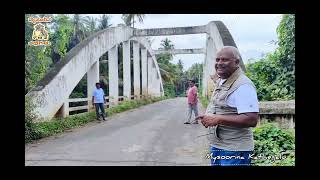
EP10 | ಚಾಮರಾಜನಗರ | ಸುಲ್ತಾನ್ ರೋಡ್ | ಇಂದಿಗೂ ಬಳಸುವ ಟೀಪು ಸುಲ್ತಾನ್ ರಸ್ತೆ | ರೋಮನ್ನರೂ ಬಂದು ಓಡಾಡಿದ್ದ ರಸ್ತೆ..
Sultan Road in Chamarajanagar, a Tipu-period road still in use.
Tipu Sultan (1750-1799) was the ruler of the Kingdom of Mysore in southern India. He's a figure of significant historical debate and discussion. Here's an overview:
- *Early Life and Reign*: Tipu Sultan was the son of Hyder Ali, a powerful military leader who took control of Mysore. Tipu succeeded his father in 1782 and ruled until his death in 1799.
- *Military Campaigns*: Tipu Sultan was known for his military prowess and modernization of Mysore's army. He fought several wars against the British East India Company, notably the Anglo-Mysore Wars.
- *Conflict with British*: Tipu Sultan's resistance against British expansion in southern India led to conflicts, particularly the Fourth Anglo-Mysore War, where he was killed defending his capital, Srirangapatna, in 1799.
- *Legacy*: Tipu Sultan's legacy is complex and debated. Some view him as a freedom fighter resisting British colonialism; others criticize his policies and methods. He's remembered for his administrative reforms, promotion of trade, and patronage of arts in Mysore.
- *Historical Sites*: Places like Tipu Sultan's Palace in Bangalore and the fort in Srirangapatna are associated with his history.
Tipu Sultan's life and rule are subjects of ongoing historical study and discussion, reflecting the complexities of India's colonial past.
Do you want me to tell you more about Tipu Sultan or is there something specific you'd like to know?
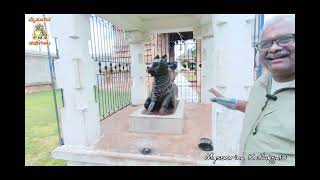
EP04 | ಚಾಮರಾಜನಗರ | ವಿಜಯ ಪಾರ್ಶ್ವನಾಥ | ನಗರದ ಅತಿ ಪುರಾತನ ಜೈನ ಬಸದಿ...
Vijaya Parshwanatha, the oldest Jain basadi in Chamarajanagar town.
Chamarajanagara is home to numerous historical Jain temples, showcasing the region's rich cultural heritage. Here are some notable ones:
Historical Jain Temples in Mysore
- *Sri Parshwanatha Temple*: A Digambara Jain temple located in the Chamundipuram area of Mysore, with Bhagwan Parshwanatha as the main deity.
- *Sri Sammedhagiri Digambara Jaina Mandir*: A Jain temple in the Jayanagar area of Mysore, featuring an idol of Bhagawan Parshwanatha.
- *Sri Mahavir Swamy Digambar Jain Temple*: Built in 1904 by Mothikane Vardhamaniah, this temple has Bhagwan Parshwanatha as the main deity and offers lodging facilities for pilgrims.
- *Sri Shanthinatha Basadi*: Consecrated in 2003-04, this temple is located in the premises of the Sri Mahavir Jain Hostel in Tonachi Koppal Layout.
- *Sri Kunthunatha Basadi*: Situated in the Indira Nagar area of Mysore, this temple features Bhagawan Kunthunatha as the main deity.
- *Sri Sumathinatha Basadi*: Built in 1896, this temple was initially located within the Mysore palace premises before being relocated to its current site.
- *Sri Vasupujya Basadi*: Located in the Mahavira Nagar area of Mysore, this temple features Bhagawan Vasupujya as the main deity ¹.
Other Notable Jain Sites
- *Kundadri Hill*: A significant Jain pilgrimage site featuring Lord Parshwanatha's temple.
- *Humcha*: A village with an 8th-century Jain temple dedicated to Goddess Padmavati.
- *Varanga*: A Jain pilgrimage center with ancient and beautiful Basadis, including the 1200-year-old Neminatha Basadi.
- *Moodbidri*: Known as "Jain Kashi," this town features the Thousand Pillars Temple and other notable Jain Basadis.
- *Karkala*: A historic town with 18 Jain Basadis and a 42-foot monolith statue of Bhagawan Bahubali.
- *Shravanabelagola*: A prominent Jain pilgrimage site featuring the world's largest monolithic statue of Bhagawan Bahubali ² ³.
EP01 | ಚಾಮರಾಜನಗರ | ಮೈಸೂರು ಮದರಾಸು ಪ್ರಾಂತ್ಯದ ಬ್ರಿಟಿಷರು ನೆಟ್ಟ ಗಡಿ ಕಲ್ಲು ನೋಡಿದೀರಾ...
A British boundary stone between the Mysore and Madras provinces in Chamarajanagar.
Chamarajanagar is a city and district in the state of Karnataka, India. Here are some key facts about Chamarajanagar:
- *Location*: Chamarajanagar is situated in the southern part of Karnataka, bordering the states of Tamil Nadu and Kerala.
- *District Headquarters*: The city of Chamarajanagar serves as the administrative headquarters of the district.
- *History*: The district has a rich history, with evidence of human habitation dating back to the Neolithic period. It was also part of the ancient Hoysala Empire.
- *Economy*: The economy of Chamarajanagar is primarily driven by agriculture, with major crops including sugarcane, paddy, and ragi. The district is also known for its sericulture industry.
- *Tourist Attractions*: Chamarajanagar is home to several tourist attractions, including the B R Hills, Mekedatu, and the Cauvery Wildlife Sanctuary.
- *Cultural Significance*: The district has a diverse cultural heritage, with influences from various dynasties and traditions.
Chamarajanagar is a district with a rich history, cultural significance, and natural beauty, making it a fascinating place to explore!
 42 ಯೂಟ್ಯೂಬ್ನಲ್ಲಿ ನೋಡಿ ↗