 08 ಯೂಟ್ಯೂಬ್ನಲ್ಲಿ ನೋಡಿ ↗
 Harapanahalli · ವಿಜಯನಗರ
Chitradurga ಸರಣಿ · ಸಂಚಿಕೆ 8
EP 08 | ಚಿತ್ರದುರ್ಗ | ಹರಪನಹಳ್ಳಿ ಪಾಳೆಯಗಾರರ ಉದಯ...
The rise of the Harapanahalli palegars, now in Vijayanagara district.
ಆಸ್ಥಾನದ ಇತಿಹಾಸ
ಧರ್ಮಿ ಸರ್ ಎಂದೇ ಪರಿಚಿತರಾದ ಧರ್ಮೇಂದ್ರ ಕುಮಾರ್ ಅರೇನಹಳ್ಳಿ ಕರ್ನಾಟಕವನ್ನು ಸ್ಥಳದಿಂದ ಸ್ಥಳಕ್ಕೆ ಕನ್ನಡದಲ್ಲಿ ಹೇಳುತ್ತಾರೆ. ಅವರ ವಾಹಿನಿ ಮೈಸೂರಿನ ಕಥೆಗಳಲ್ಲಿ ದೇವಾಲಯ, ಕೋಟೆ, ಅರಮನೆ, ಬೀದಿ ಮತ್ತು ಜನರ 852 ಕಥೆಗಳಿವೆ.
ಯೂಟ್ಯೂಬ್ನಲ್ಲಿ @mysoorinakathegalu9509 ↗ 08 ಯೂಟ್ಯೂಬ್ನಲ್ಲಿ ನೋಡಿ ↗ The rise of the Harapanahalli palegars, now in Vijayanagara district.
 04 ಯೂಟ್ಯೂಬ್ನಲ್ಲಿ ನೋಡಿ ↗
 The Kalinga temple at Maratur in Kalaburagi, where jurist Vijnaneshwara is said to have lived.
The historical university you're referring to is located in Nagavi, a village in the Kalaburagi district of Karnataka, India. However, it wasn't built in 1076 AD by King Vikramaditya VI. Instead, it dates back to the Rashtrakuta dynasty and gained prominence during the Kalyana Chalukya's rule. The university is associated with the Rameshwara temple at Nagavi, which features a unique architectural design with a single entrance, no windows, and a ceiling opening for ventilation and minimal light. *Key Features:* - *Ghatikasthana*: The ancient university was referred to as Ghatikasthana in Kannada, where students studied Vedas, Shastras, Grammar, Prabharika philosophy, and Kumarika philosophy. - *Inscription*: An inscription slab from 1058 AD provides valuable information about the university, including gifts and donations for 200 students and six teachers. - *Architecture*: The Rameshwara temple has 64 pillars, representing the 64 art forms taught in ancient India. It's worth noting that Vikramaditya VI was a king of the Western Chalukya Empire, but there's no direct connection established between him and the Nagavi university in the provided search results. The university's history and significance are tied to the broader cultural and educational landscape of ancient India. #Nagavi University #Ancient Education #Ghatikasthana #Rameshwara Temple #Kalyana Chalukya #Rashtrakuta Dynasty #Vedic Studies #Shastras #Ancient Architecture #Karnataka Heritage
 03 ಯೂಟ್ಯೂಬ್ನಲ್ಲಿ ನೋಡಿ ↗
 The Ellamma temple at Nagavi in Chittapur taluk, Kalaburagi, built by the Kalyana Chalukyas.
The historical university you're referring to is located in Nagavi, a village in the Kalaburagi district of Karnataka, India. However, it wasn't built in 1076 AD by King Vikramaditya VI. Instead, it dates back to the Rashtrakuta dynasty and gained prominence during the Kalyana Chalukya's rule. The university is associated with the Rameshwara temple at Nagavi, which features a unique architectural design with a single entrance, no windows, and a ceiling opening for ventilation and minimal light. *Key Features:* - *Ghatikasthana*: The ancient university was referred to as Ghatikasthana in Kannada, where students studied Vedas, Shastras, Grammar, Prabharika philosophy, and Kumarika philosophy. - *Inscription*: An inscription slab from 1058 AD provides valuable information about the university, including gifts and donations for 200 students and six teachers. - *Architecture*: The Rameshwara temple has 64 pillars, representing the 64 art forms taught in ancient India. It's worth noting that Vikramaditya VI was a king of the Western Chalukya Empire, but there's no direct connection established between him and the Nagavi university in the provided search results. The university's history and significance are tied to the broader cultural and educational landscape of ancient India. #Nagavi University #Ancient Education #Ghatikasthana #Rameshwara Temple #Kalyana Chalukya #Rashtrakuta Dynasty #Vedic Studies #Shastras #Ancient Architecture #Karnataka Heritage
 02 ಯೂಟ್ಯೂಬ್ನಲ್ಲಿ ನೋಡಿ ↗
 The ruined state of the old university at Nagavi in Chittapur taluk, Kalaburagi.
The historical university you're referring to is located in Nagavi, a village in the Kalaburagi district of Karnataka, India. However, it wasn't built in 1076 AD by King Vikramaditya VI. Instead, it dates back to the Rashtrakuta dynasty and gained prominence during the Kalyana Chalukya's rule. The university is associated with the Rameshwara temple at Nagavi, which features a unique architectural design with a single entrance, no windows, and a ceiling opening for ventilation and minimal light. *Key Features:* - *Ghatikasthana*: The ancient university was referred to as Ghatikasthana in Kannada, where students studied Vedas, Shastras, Grammar, Prabharika philosophy, and Kumarika philosophy. - *Inscription*: An inscription slab from 1058 AD provides valuable information about the university, including gifts and donations for 200 students and six teachers. - *Architecture*: The Rameshwara temple has 64 pillars, representing the 64 art forms taught in ancient India. It's worth noting that Vikramaditya VI was a king of the Western Chalukya Empire, but there's no direct connection established between him and the Nagavi university in the provided search results. The university's history and significance are tied to the broader cultural and educational landscape of ancient India. #Nagavi University #Ancient Education #Ghatikasthana #Rameshwara Temple #Kalyana Chalukya #Rashtrakuta Dynasty #Vedic Studies #Shastras #Ancient Architecture #Karnataka Heritage
 01 ಯೂಟ್ಯೂಬ್ನಲ್ಲಿ ನೋಡಿ ↗
 The thousand-year-old university site at Nagavi in Chittapur taluk, Kalaburagi.
The historical university you're referring to is located in Nagavi, a village in the Kalaburagi district of Karnataka, India. However, it wasn't built in 1076 AD by King Vikramaditya VI. Instead, it dates back to the Rashtrakuta dynasty and gained prominence during the Kalyana Chalukya's rule. The university is associated with the Rameshwara temple at Nagavi, which features a unique architectural design with a single entrance, no windows, and a ceiling opening for ventilation and minimal light. *Key Features:* - *Ghatikasthana*: The ancient university was referred to as Ghatikasthana in Kannada, where students studied Vedas, Shastras, Grammar, Prabharika philosophy, and Kumarika philosophy. - *Inscription*: An inscription slab from 1058 AD provides valuable information about the university, including gifts and donations for 200 students and six teachers. - *Architecture*: The Rameshwara temple has 64 pillars, representing the 64 art forms taught in ancient India. It's worth noting that Vikramaditya VI was a king of the Western Chalukya Empire, but there's no direct connection established between him and the Nagavi university in the provided search results. The university's history and significance are tied to the broader cultural and educational landscape of ancient India. #Nagavi University #Ancient Education #Ghatikasthana #Rameshwara Temple #Kalyana Chalukya #Rashtrakuta Dynasty #Vedic Studies #Shastras #Ancient Architecture #Karnataka Heritage
 34 ಯೂಟ್ಯೂಬ್ನಲ್ಲಿ ನೋಡಿ ↗
 The destruction of Vijayanagara and the killing of Ali Adil Shah, in the Deccan sultanate series.
 33 ಯೂಟ್ಯೂಬ್ನಲ್ಲಿ ನೋಡಿ ↗
 The killing of Aliya Rama Raya at the Rakkasagi-Tangadagi battle.
 32 ಯೂಟ್ಯೂಬ್ನಲ್ಲಿ ನೋಡಿ ↗
 Ali Adil Shah's betrayal of Aliya Rama Raya, in the Deccan sultanate series.
 31 ಯೂಟ್ಯೂಬ್ನಲ್ಲಿ ನೋಡಿ ↗
 How the Deccan Shahi sultans united for the destruction of Hampi.
 ಯೂಟ್ಯೂಬ್ನಲ್ಲಿ ನೋಡಿ ↗
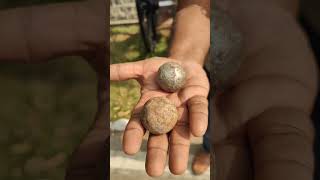
 A cannonball used by Nalvadi Venkatappa Nayaka of Surapura in Yadgir.
 30 ಯೂಟ್ಯೂಬ್ನಲ್ಲಿ ನೋಡಿ ↗
 The adoption of Ali Adil Shah, told from the Bijapur Adil Shahi court.
 29 ಯೂಟ್ಯೂಬ್ನಲ್ಲಿ ನೋಡಿ ↗
 Dilapidated temples at Kalagi in Kalaburagi that the film says need repair.
 28 ಯೂಟ್ಯೂಬ್ನಲ್ಲಿ ನೋಡಿ ↗
 The Shasana Sundari sculpture at Jalasangvi in Humnabad taluk, Bidar.
 27 ಯೂಟ್ಯೂಬ್ನಲ್ಲಿ ನೋಡಿ ↗
 A rare trikuta Jain basadi at Kalagi in Kalaburagi.
 26 ಯೂಟ್ಯೂಬ್ನಲ್ಲಿ ನೋಡಿ ↗
 The reclining Ananta Padmanabha image at Kalagi in Kalaburagi.
 25 ಯೂಟ್ಯೂಬ್ನಲ್ಲಿ ನೋಡಿ ↗
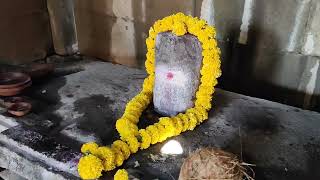
 A rare trikuta Surya Narayana temple at Kalagi in Kalaburagi.
 24 ಯೂಟ್ಯೂಬ್ನಲ್ಲಿ ನೋಡಿ ↗
 A Rudra temple at Kalagi in Kalaburagi, described as built for Aghori practice.
 23 ಯೂಟ್ಯೂಬ್ನಲ್ಲಿ ನೋಡಿ ↗
 Kalagi, a thousand-year-old town in Kalaburagi with twelve Jyotirlingas in one temple.
 22 ಯೂಟ್ಯೂಬ್ನಲ್ಲಿ ನೋಡಿ ↗
 Gulbarga Fort and its large cannons.
 21 ಯೂಟ್ಯೂಬ್ನಲ್ಲಿ ನೋಡಿ ↗
 Bijapur's defeat against Vijayanagara, in the Deccan sultanate series.
 20 ಯೂಟ್ಯೂಬ್ನಲ್ಲಿ ನೋಡಿ ↗
 The arrival of Ismail Adil Khan, the second Adil Shahi ruler of Bijapur.
 19 ಯೂಟ್ಯೂಬ್ನಲ್ಲಿ ನೋಡಿ ↗
 Portuguese arrival and Yusuf Adil Khan's meeting with Vasco da Gama.
 18 ಯೂಟ್ಯೂಬ್ನಲ್ಲಿ ನೋಡಿ ↗
 Yusuf Adil Khan expanding Bijapur by taking Gulbarga and Kalyana.
 17 ಯೂಟ್ಯೂಬ್ನಲ್ಲಿ ನೋಡಿ ↗
 Qasim Barid, founder of the Barid Shahi line and ruler of Bidar.
 16 ಯೂಟ್ಯೂಬ್ನಲ್ಲಿ ನೋಡಿ ↗
 Yusuf Adil Khan, the ruler who made Bijapur's name.
 15 ಯೂಟ್ಯೂಬ್ನಲ್ಲಿ ನೋಡಿ ↗
 The arrival of the Adil Shahis at Bijapur.
 14 ಯೂಟ್ಯೂಬ್ನಲ್ಲಿ ನೋಡಿ ↗
 Mahmud Gawan, the Bahmani prime minister associated with Bidar.
 13 ಯೂಟ್ಯೂಬ್ನಲ್ಲಿ ನೋಡಿ ↗
 Ahmad Shah Bahmani II and the parade of a thousand severed heads.
 12 ಯೂಟ್ಯೂಬ್ನಲ್ಲಿ ನೋಡಿ ↗
 Ahmad Shah Bahmani, who built four large sports grounds at Bidar.
 11 ಯೂಟ್ಯೂಬ್ನಲ್ಲಿ ನೋಡಿ ↗
 Firoz Shah Bahmani of Gulbarga making contact with Timur before other Indian rulers.
 10 ಯೂಟ್ಯೂಬ್ನಲ್ಲಿ ನೋಡಿ ↗
 The astronomical observatory built for Firoz Shah Bahmani at Gulbarga.
 09 ಯೂಟ್ಯೂಬ್ನಲ್ಲಿ ನೋಡಿ ↗
 Alauddin Mujahid of the Gulbarga Bahmanis and the story of his appetite.
 08 ಯೂಟ್ಯೂಬ್ನಲ್ಲಿ ನೋಡಿ ↗
 Muhammad Bahman Shah ending a war after taking eight crore varaha.
 07 ಯೂಟ್ಯೂಬ್ನಲ್ಲಿ ನೋಡಿ ↗
 Muhammad Bahman Shah as the first to use cannon in South India.
 06 ಯೂಟ್ಯೂಬ್ನಲ್ಲಿ ನೋಡಿ ↗
 The kings of Kampili, Kumara Rama, and the arrival of Alauddin Hasan Bahman Shah.
 05 ಯೂಟ್ಯೂಬ್ನಲ್ಲಿ ನೋಡಿ ↗
 Khilji resistance to the Mongols and the Tughlaq advance into the south.