 08 ಯೂಟ್ಯೂಬ್ನಲ್ಲಿ ನೋಡಿ ↗
 Harapanahalli · ವಿಜಯನಗರ
Chitradurga ಸರಣಿ · ಸಂಚಿಕೆ 8
EP 08 | ಚಿತ್ರದುರ್ಗ | ಹರಪನಹಳ್ಳಿ ಪಾಳೆಯಗಾರರ ಉದಯ...
The rise of the Harapanahalli palegars, now in Vijayanagara district.
ಆಸ್ಥಾನದ ಇತಿಹಾಸ
ಧರ್ಮಿ ಸರ್ ಎಂದೇ ಪರಿಚಿತರಾದ ಧರ್ಮೇಂದ್ರ ಕುಮಾರ್ ಅರೇನಹಳ್ಳಿ ಕರ್ನಾಟಕವನ್ನು ಸ್ಥಳದಿಂದ ಸ್ಥಳಕ್ಕೆ ಕನ್ನಡದಲ್ಲಿ ಹೇಳುತ್ತಾರೆ. ಅವರ ವಾಹಿನಿ ಮೈಸೂರಿನ ಕಥೆಗಳಲ್ಲಿ ದೇವಾಲಯ, ಕೋಟೆ, ಅರಮನೆ, ಬೀದಿ ಮತ್ತು ಜನರ 852 ಕಥೆಗಳಿವೆ.
ಯೂಟ್ಯೂಬ್ನಲ್ಲಿ @mysoorinakathegalu9509 ↗ 08 ಯೂಟ್ಯೂಬ್ನಲ್ಲಿ ನೋಡಿ ↗ The rise of the Harapanahalli palegars, now in Vijayanagara district.
 04 ಯೂಟ್ಯೂಬ್ನಲ್ಲಿ ನೋಡಿ ↗
 The Kalinga temple at Maratur in Kalaburagi, where jurist Vijnaneshwara is said to have lived.
The historical university you're referring to is located in Nagavi, a village in the Kalaburagi district of Karnataka, India. However, it wasn't built in 1076 AD by King Vikramaditya VI. Instead, it dates back to the Rashtrakuta dynasty and gained prominence during the Kalyana Chalukya's rule. The university is associated with the Rameshwara temple at Nagavi, which features a unique architectural design with a single entrance, no windows, and a ceiling opening for ventilation and minimal light. *Key Features:* - *Ghatikasthana*: The ancient university was referred to as Ghatikasthana in Kannada, where students studied Vedas, Shastras, Grammar, Prabharika philosophy, and Kumarika philosophy. - *Inscription*: An inscription slab from 1058 AD provides valuable information about the university, including gifts and donations for 200 students and six teachers. - *Architecture*: The Rameshwara temple has 64 pillars, representing the 64 art forms taught in ancient India. It's worth noting that Vikramaditya VI was a king of the Western Chalukya Empire, but there's no direct connection established between him and the Nagavi university in the provided search results. The university's history and significance are tied to the broader cultural and educational landscape of ancient India. #Nagavi University #Ancient Education #Ghatikasthana #Rameshwara Temple #Kalyana Chalukya #Rashtrakuta Dynasty #Vedic Studies #Shastras #Ancient Architecture #Karnataka Heritage
 03 ಯೂಟ್ಯೂಬ್ನಲ್ಲಿ ನೋಡಿ ↗
 The Ellamma temple at Nagavi in Chittapur taluk, Kalaburagi, built by the Kalyana Chalukyas.
The historical university you're referring to is located in Nagavi, a village in the Kalaburagi district of Karnataka, India. However, it wasn't built in 1076 AD by King Vikramaditya VI. Instead, it dates back to the Rashtrakuta dynasty and gained prominence during the Kalyana Chalukya's rule. The university is associated with the Rameshwara temple at Nagavi, which features a unique architectural design with a single entrance, no windows, and a ceiling opening for ventilation and minimal light. *Key Features:* - *Ghatikasthana*: The ancient university was referred to as Ghatikasthana in Kannada, where students studied Vedas, Shastras, Grammar, Prabharika philosophy, and Kumarika philosophy. - *Inscription*: An inscription slab from 1058 AD provides valuable information about the university, including gifts and donations for 200 students and six teachers. - *Architecture*: The Rameshwara temple has 64 pillars, representing the 64 art forms taught in ancient India. It's worth noting that Vikramaditya VI was a king of the Western Chalukya Empire, but there's no direct connection established between him and the Nagavi university in the provided search results. The university's history and significance are tied to the broader cultural and educational landscape of ancient India. #Nagavi University #Ancient Education #Ghatikasthana #Rameshwara Temple #Kalyana Chalukya #Rashtrakuta Dynasty #Vedic Studies #Shastras #Ancient Architecture #Karnataka Heritage
 02 ಯೂಟ್ಯೂಬ್ನಲ್ಲಿ ನೋಡಿ ↗
 The ruined state of the old university at Nagavi in Chittapur taluk, Kalaburagi.
The historical university you're referring to is located in Nagavi, a village in the Kalaburagi district of Karnataka, India. However, it wasn't built in 1076 AD by King Vikramaditya VI. Instead, it dates back to the Rashtrakuta dynasty and gained prominence during the Kalyana Chalukya's rule. The university is associated with the Rameshwara temple at Nagavi, which features a unique architectural design with a single entrance, no windows, and a ceiling opening for ventilation and minimal light. *Key Features:* - *Ghatikasthana*: The ancient university was referred to as Ghatikasthana in Kannada, where students studied Vedas, Shastras, Grammar, Prabharika philosophy, and Kumarika philosophy. - *Inscription*: An inscription slab from 1058 AD provides valuable information about the university, including gifts and donations for 200 students and six teachers. - *Architecture*: The Rameshwara temple has 64 pillars, representing the 64 art forms taught in ancient India. It's worth noting that Vikramaditya VI was a king of the Western Chalukya Empire, but there's no direct connection established between him and the Nagavi university in the provided search results. The university's history and significance are tied to the broader cultural and educational landscape of ancient India. #Nagavi University #Ancient Education #Ghatikasthana #Rameshwara Temple #Kalyana Chalukya #Rashtrakuta Dynasty #Vedic Studies #Shastras #Ancient Architecture #Karnataka Heritage
 01 ಯೂಟ್ಯೂಬ್ನಲ್ಲಿ ನೋಡಿ ↗
 The thousand-year-old university site at Nagavi in Chittapur taluk, Kalaburagi.
The historical university you're referring to is located in Nagavi, a village in the Kalaburagi district of Karnataka, India. However, it wasn't built in 1076 AD by King Vikramaditya VI. Instead, it dates back to the Rashtrakuta dynasty and gained prominence during the Kalyana Chalukya's rule. The university is associated with the Rameshwara temple at Nagavi, which features a unique architectural design with a single entrance, no windows, and a ceiling opening for ventilation and minimal light. *Key Features:* - *Ghatikasthana*: The ancient university was referred to as Ghatikasthana in Kannada, where students studied Vedas, Shastras, Grammar, Prabharika philosophy, and Kumarika philosophy. - *Inscription*: An inscription slab from 1058 AD provides valuable information about the university, including gifts and donations for 200 students and six teachers. - *Architecture*: The Rameshwara temple has 64 pillars, representing the 64 art forms taught in ancient India. It's worth noting that Vikramaditya VI was a king of the Western Chalukya Empire, but there's no direct connection established between him and the Nagavi university in the provided search results. The university's history and significance are tied to the broader cultural and educational landscape of ancient India. #Nagavi University #Ancient Education #Ghatikasthana #Rameshwara Temple #Kalyana Chalukya #Rashtrakuta Dynasty #Vedic Studies #Shastras #Ancient Architecture #Karnataka Heritage
 34 ಯೂಟ್ಯೂಬ್ನಲ್ಲಿ ನೋಡಿ ↗
 The destruction of Vijayanagara and the killing of Ali Adil Shah, in the Deccan sultanate series.
 33 ಯೂಟ್ಯೂಬ್ನಲ್ಲಿ ನೋಡಿ ↗
 The killing of Aliya Rama Raya at the Rakkasagi-Tangadagi battle.
 32 ಯೂಟ್ಯೂಬ್ನಲ್ಲಿ ನೋಡಿ ↗
 Ali Adil Shah's betrayal of Aliya Rama Raya, in the Deccan sultanate series.
 31 ಯೂಟ್ಯೂಬ್ನಲ್ಲಿ ನೋಡಿ ↗
 How the Deccan Shahi sultans united for the destruction of Hampi.
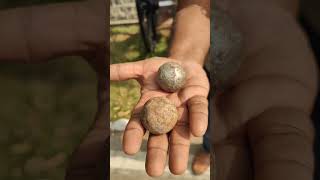 ಯೂಟ್ಯೂಬ್ನಲ್ಲಿ ನೋಡಿ ↗
 A cannonball used by Nalvadi Venkatappa Nayaka of Surapura in Yadgir.
 30 ಯೂಟ್ಯೂಬ್ನಲ್ಲಿ ನೋಡಿ ↗
 The adoption of Ali Adil Shah, told from the Bijapur Adil Shahi court.
 29 ಯೂಟ್ಯೂಬ್ನಲ್ಲಿ ನೋಡಿ ↗
 Dilapidated temples at Kalagi in Kalaburagi that the film says need repair.
 28 ಯೂಟ್ಯೂಬ್ನಲ್ಲಿ ನೋಡಿ ↗
 The Shasana Sundari sculpture at Jalasangvi in Humnabad taluk, Bidar.
 27 ಯೂಟ್ಯೂಬ್ನಲ್ಲಿ ನೋಡಿ ↗
 A rare trikuta Jain basadi at Kalagi in Kalaburagi.
 26 ಯೂಟ್ಯೂಬ್ನಲ್ಲಿ ನೋಡಿ ↗
 The reclining Ananta Padmanabha image at Kalagi in Kalaburagi.
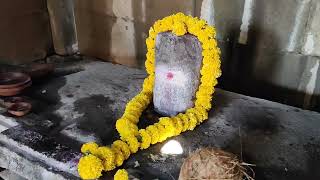 25 ಯೂಟ್ಯೂಬ್ನಲ್ಲಿ ನೋಡಿ ↗
 A rare trikuta Surya Narayana temple at Kalagi in Kalaburagi.
 24 ಯೂಟ್ಯೂಬ್ನಲ್ಲಿ ನೋಡಿ ↗
 A Rudra temple at Kalagi in Kalaburagi, described as built for Aghori practice.
 23 ಯೂಟ್ಯೂಬ್ನಲ್ಲಿ ನೋಡಿ ↗
 Kalagi, a thousand-year-old town in Kalaburagi with twelve Jyotirlingas in one temple.
 22 ಯೂಟ್ಯೂಬ್ನಲ್ಲಿ ನೋಡಿ ↗
 Gulbarga Fort and its large cannons.
 21 ಯೂಟ್ಯೂಬ್ನಲ್ಲಿ ನೋಡಿ ↗
 Bijapur's defeat against Vijayanagara, in the Deccan sultanate series.
 20 ಯೂಟ್ಯೂಬ್ನಲ್ಲಿ ನೋಡಿ ↗
 The arrival of Ismail Adil Khan, the second Adil Shahi ruler of Bijapur.
 19 ಯೂಟ್ಯೂಬ್ನಲ್ಲಿ ನೋಡಿ ↗
 Portuguese arrival and Yusuf Adil Khan's meeting with Vasco da Gama.
 18 ಯೂಟ್ಯೂಬ್ನಲ್ಲಿ ನೋಡಿ ↗
 Yusuf Adil Khan expanding Bijapur by taking Gulbarga and Kalyana.
 17 ಯೂಟ್ಯೂಬ್ನಲ್ಲಿ ನೋಡಿ ↗
 Qasim Barid, founder of the Barid Shahi line and ruler of Bidar.
 16 ಯೂಟ್ಯೂಬ್ನಲ್ಲಿ ನೋಡಿ ↗
 Yusuf Adil Khan, the ruler who made Bijapur's name.
 15 ಯೂಟ್ಯೂಬ್ನಲ್ಲಿ ನೋಡಿ ↗
 The arrival of the Adil Shahis at Bijapur.
 14 ಯೂಟ್ಯೂಬ್ನಲ್ಲಿ ನೋಡಿ ↗
 Mahmud Gawan, the Bahmani prime minister associated with Bidar.
 13 ಯೂಟ್ಯೂಬ್ನಲ್ಲಿ ನೋಡಿ ↗
 Ahmad Shah Bahmani II and the parade of a thousand severed heads.
 12 ಯೂಟ್ಯೂಬ್ನಲ್ಲಿ ನೋಡಿ ↗
 Ahmad Shah Bahmani, who built four large sports grounds at Bidar.
 11 ಯೂಟ್ಯೂಬ್ನಲ್ಲಿ ನೋಡಿ ↗
 Firoz Shah Bahmani of Gulbarga making contact with Timur before other Indian rulers.
 10 ಯೂಟ್ಯೂಬ್ನಲ್ಲಿ ನೋಡಿ ↗
 The astronomical observatory built for Firoz Shah Bahmani at Gulbarga.
 09 ಯೂಟ್ಯೂಬ್ನಲ್ಲಿ ನೋಡಿ ↗
 Alauddin Mujahid of the Gulbarga Bahmanis and the story of his appetite.
 08 ಯೂಟ್ಯೂಬ್ನಲ್ಲಿ ನೋಡಿ ↗
 Muhammad Bahman Shah ending a war after taking eight crore varaha.
 07 ಯೂಟ್ಯೂಬ್ನಲ್ಲಿ ನೋಡಿ ↗
 Muhammad Bahman Shah as the first to use cannon in South India.
 06 ಯೂಟ್ಯೂಬ್ನಲ್ಲಿ ನೋಡಿ ↗
 The kings of Kampili, Kumara Rama, and the arrival of Alauddin Hasan Bahman Shah.
 05 ಯೂಟ್ಯೂಬ್ನಲ್ಲಿ ನೋಡಿ ↗
 Khilji resistance to the Mongols and the Tughlaq advance into the south.
 04 ಯೂಟ್ಯೂಬ್ನಲ್ಲಿ ನೋಡಿ ↗
 The Jama Masjid inside Gulbarga Fort, described as Asia's largest mosque of its time.
 03 ಯೂಟ್ಯೂಬ್ನಲ್ಲಿ ನೋಡಿ ↗
 Bahmani court strife in which a son killed his father for the throne.
 02 ಯೂಟ್ಯೂಬ್ನಲ್ಲಿ ನೋಡಿ ↗
 Whether Alauddin Khilji's campaigns led to the birth of the Bahmani sultanate.
 01 ಯೂಟ್ಯೂಬ್ನಲ್ಲಿ ನೋಡಿ ↗
 The rise of the Bahmani sultans, opening the Bijapur-Gulbarga-Bidar series.
 95 ಯೂಟ್ಯೂಬ್ನಲ್ಲಿ ನೋಡಿ ↗
 Episode 95 asks who protected Hampi and handed it on.
 94 ಯೂಟ್ಯೂಬ್ನಲ್ಲಿ ನೋಡಿ ↗
 Episode 94 describes ordinary people's lives in the Vijayanagara period.
 93 ಯೂಟ್ಯೂಬ್ನಲ್ಲಿ ನೋಡಿ ↗
 Episode 93 locates at Hampi the story of Parashurama beheading his mother.
 92 ಯೂಟ್ಯೂಬ್ನಲ್ಲಿ ನೋಡಿ ↗
 Episode 92 attributes the fall of Vijayanagara to a goddess's curse.
 91 ಯೂಟ್ಯೂಬ್ನಲ್ಲಿ ನೋಡಿ ↗
 Episode 91 counts the gopuras of Vijayanagara.
 90 ಯೂಟ್ಯೂಬ್ನಲ್ಲಿ ನೋಡಿ ↗
 Episode 90 walks the pearl-and-gem street and the pan-supari bazaar at Hampi.
 89 ಯೂಟ್ಯೂಬ್ನಲ್ಲಿ ನೋಡಿ ↗
 Episode 89 on Malyavanta bazaar and the spot linked to Rama's four-month forest stay.
 88 ಯೂಟ್ಯೂಬ್ನಲ್ಲಿ ನೋಡಿ ↗
 Episode 88 on Krishna Bazaar, called Krishnadevaraya's own market.
 87 ಯೂಟ್ಯೂಬ್ನಲ್ಲಿ ನೋಡಿ ↗
 Episode 87 walks Vitthala Bazaar at Hampi.
 86 ಯೂಟ್ಯೂಬ್ನಲ್ಲಿ ನೋಡಿ ↗
 Episode 86 on Virupaksha Bazaar as a street people have lived on for centuries.
 85 ಯೂಟ್ಯೂಬ್ನಲ್ಲಿ ನೋಡಿ ↗
 Episode 85 on the stated real cause of Krishnadevaraya's death.
 84 ಯೂಟ್ಯೂಬ್ನಲ್ಲಿ ನೋಡಿ ↗
 Episode 84 says the Portuguese introduced large ships.
 83 ಯೂಟ್ಯೂಬ್ನಲ್ಲಿ ನೋಡಿ ↗
 Episode 83 on what Krishnadevaraya ate.
 82 ಯೂಟ್ಯೂಬ್ನಲ್ಲಿ ನೋಡಿ ↗
 Episode 82 gathers several Hampi secrets in a single view.
 81 ಯೂಟ್ಯೂಬ್ನಲ್ಲಿ ನೋಡಿ ↗
 Episode 81 says Shivaji drew inspiration from Hampi.
 ಯೂಟ್ಯೂಬ್ನಲ್ಲಿ ನೋಡಿ ↗
 A Hampi film on the price of a gold sari linked to the site.
 80 ಯೂಟ್ಯೂಬ್ನಲ್ಲಿ ನೋಡಿ ↗
 Episode 80 on hidden temples at Chakratirtha said to lie in the Tungabhadra.
 79 ಯೂಟ್ಯೂಬ್ನಲ್ಲಿ ನೋಡಿ ↗
 Episode 79 on Krishnadevaraya's palace and wall stories of Vijayanagara splendour.
 78 ಯೂಟ್ಯೂಬ್ನಲ್ಲಿ ನೋಡಿ ↗
 Episode 78 on Krishnadevaraya's palace and the splendour of Anegundi.
 77 ಯೂಟ್ಯೂಬ್ನಲ್ಲಿ ನೋಡಿ ↗
 Episode 77 on the Anegundi palace Tipu burned and what Krishnadevaraya is said to have remarked.
 76 ಯೂಟ್ಯೂಬ್ನಲ್ಲಿ ನೋಡಿ ↗
 Episode 76 on Krishnadevaraya's gold sari and blouse collection, with a weaver contact in the description.
ಹೆಚ್ಚಿನ ಮಾಹಿತಿಗಾಗಿ ಸಂಪರ್ಕಿಸಿ - Devaraya Heritage Weaves Ph No : 7975268145 Timings: 11AM to 6 PM IST
 75 ಯೂಟ್ಯೂಬ್ನಲ್ಲಿ ನೋಡಿ ↗
 Episode 75 on palace-building methods in the time of Hakka and Bukka.
 74 ಯೂಟ್ಯೂಬ್ನಲ್ಲಿ ನೋಡಿ ↗
 Episode 74 on Hakka and Bukka's palace and kitchen at Anegundi, where Vijayanagara began.
 73 ಯೂಟ್ಯೂಬ್ನಲ್ಲಿ ನೋಡಿ ↗
 Episode 73 on the Yantrodharaka Anjaneya shrine at Hampi.
 72 ಯೂಟ್ಯೂಬ್ನಲ್ಲಿ ನೋಡಿ ↗
 Episode 72 on how the Vijayanagara empire ended.
 71 ಯೂಟ್ಯೂಬ್ನಲ್ಲಿ ನೋಡಿ ↗
 Episode 71 on Mysore kings who stood with the Rayas in war.
 69 ಯೂಟ್ಯೂಬ್ನಲ್ಲಿ ನೋಡಿ ↗
 Episode 69 on wonders of the Virupaksha temple at Hampi.
 68 ಯೂಟ್ಯೂಬ್ನಲ್ಲಿ ನೋಡಿ ↗
 Episode 68 on the wretched end of the empire's splendour.
 66 ಯೂಟ್ಯೂಬ್ನಲ್ಲಿ ನೋಡಿ ↗
 Episode 66 on a second stated cause of Vijayanagara's destruction.
 65 ಯೂಟ್ಯೂಬ್ನಲ್ಲಿ ನೋಡಿ ↗
 Episode 65 on Echama Nayaka, who saved the state and carried it on.
 64 ಯೂಟ್ಯೂಬ್ನಲ್ಲಿ ನೋಡಿ ↗
 Episode 64 on who the present Anegundi rajas are and whose descendants they are.
 63 ಯೂಟ್ಯೂಬ್ನಲ್ಲಿ ನೋಡಿ ↗
 Episode 63 on why Anegundi's Gagan Mahal was built.
 62 ಯೂಟ್ಯೂಬ್ನಲ್ಲಿ ನೋಡಿ ↗
 Episode 62 on Echama Nayaka's valour, loyalty, and a recorded cruelty.
 61 ಯೂಟ್ಯೂಬ್ನಲ್ಲಿ ನೋಡಿ ↗
 Episode 61 on devotion shifting from Virupaksha to Venkatesha and Balaji appearing on the royal seal.
 60 ಯೂಟ್ಯೂಬ್ನಲ್ಲಿ ನೋಡಿ ↗
 Episode 60 on Echama Nayaka.
 59 ಯೂಟ್ಯೂಬ್ನಲ್ಲಿ ನೋಡಿ ↗
 Episode 59 on Venkatapati Raya standing against the Qutb Shahis.
 58 ಯೂಟ್ಯೂಬ್ನಲ್ಲಿ ನೋಡಿ ↗
 Episode 58 argues that dividing the kingdom into three was a mistake.
 57 ಯೂಟ್ಯೂಬ್ನಲ್ಲಿ ನೋಡಿ ↗
 Episode 57 on the Aravidu capital at Penukonda after Hampi was left behind.
 56 ಯೂಟ್ಯೂಬ್ನಲ್ಲಿ ನೋಡಿ ↗
 Episode 56 on the start of Aravidu rule.
 55 ಯೂಟ್ಯೂಬ್ನಲ್ಲಿ ನೋಡಿ ↗
 Episode 55 uses the song of the Bijapur elephant as a way into Deccan rivalry.
 54 ಯೂಟ್ಯೂಬ್ನಲ್ಲಿ ನೋಡಿ ↗
 Episode 54 asks whether Shaiva-Vaishnava conflict ruined Hampi.
 53 ಯೂಟ್ಯೂಬ್ನಲ್ಲಿ ನೋಡಿ ↗
 Episode 53 lists stated causes of the final defeat.
 51 ಯೂಟ್ಯೂಬ್ನಲ್ಲಿ ನೋಡಿ ↗
 Episode 51 on massacre, loot, and the burned city after the last war.
 50 ಯೂಟ್ಯೂಬ್ನಲ್ಲಿ ನೋಡಿ ↗
 Episode 50 on the beheading of Aliya Rama Raya and the fall of Vijayanagara.
 49 ಯೂಟ್ಯೂಬ್ನಲ್ಲಿ ನೋಡಿ ↗
 Episode 49 on Rakshasa-Tangadi and a victory just before the last war.
 48 ಯೂಟ್ಯೂಬ್ನಲ್ಲಿ ನೋಡಿ ↗
 Episode 48 on why the last war became so terrible.
 47 ಯೂಟ್ಯೂಬ್ನಲ್ಲಿ ನೋಡಿ ↗
 Episode 47 on the buildup to the Rakkasagi-Tangadagi war.
 46 ಯೂಟ್ಯೂಬ್ನಲ್ಲಿ ನೋಡಿ ↗
 Episode 46 on the significance of the day Krishnadevaraya died.
 45 ಯೂಟ್ಯೂಬ್ನಲ್ಲಿ ನೋಡಿ ↗
 Episode 45 on Ayesha, described as Aliya Rama Raya's beloved.
 44 ಯೂಟ್ಯೂಬ್ನಲ್ಲಿ ನೋಡಿ ↗
 Episode 44 on Aliya Rama Raya as the man who carried the empire.
 43 ಯೂಟ್ಯೂಬ್ನಲ್ಲಿ ನೋಡಿ ↗
 Episode 43 continues the Hampi series with no further title detail.
 42 ಯೂಟ್ಯೂಬ್ನಲ್ಲಿ ನೋಡಿ ↗
 Episode 42 asks who would be the next ruler.
 41 ಯೂಟ್ಯೂಬ್ನಲ್ಲಿ ನೋಡಿ ↗
 Episode 41 on how Krishnadevaraya died.
 40 ಯೂಟ್ಯೂಬ್ನಲ್ಲಿ ನೋಡಿ ↗
 Episode 40 on harsh turns of fate in the Raya's life.
 39 ಯೂಟ್ಯೂಬ್ನಲ್ಲಿ ನೋಡಿ ↗
 Episode 39 on political aftershocks of war.
 38 ಯೂಟ್ಯೂಬ್ನಲ್ಲಿ ನೋಡಿ ↗
 Episode 38 is framed as a preface to the dark years.
 37 ಯೂಟ್ಯೂಬ್ನಲ್ಲಿ ನೋಡಿ ↗
 Episode 37 on the Rayas' victory and Ibrahim Adil Shah's flight.
 36 ಯೂಟ್ಯೂಬ್ನಲ್ಲಿ ನೋಡಿ ↗
 Episode 36 on the Raichur war as the start of the end.
 35 ಯೂಟ್ಯೂಬ್ನಲ್ಲಿ ನೋಡಿ ↗
 Episode 35 on soldiers said to have fought unclothed.
 34 ಯೂಟ್ಯೂಬ್ನಲ್ಲಿ ನೋಡಿ ↗
 Episode 34 on the army and cavalry in Krishnadevaraya's time.
 33 ಯೂಟ್ಯೂಬ್ನಲ್ಲಿ ನೋಡಿ ↗
 Episode 33 on royal qualities and Krishnadevaraya's administration.
 32 ಯೂಟ್ಯೂಬ್ನಲ್ಲಿ ನೋಡಿ ↗
 Episode 32 asks whether religious conversion happened in the Raya's time.
 31 ಯೂಟ್ಯೂಬ್ನಲ್ಲಿ ನೋಡಿ ↗
 Episode 31 on where jihad as a political force is said to have begun.
 30 ಯೂಟ್ಯೂಬ್ನಲ್ಲಿ ನೋಡಿ ↗
 Episode 30 on jihad during the Raya's reign.
 27 ಯೂಟ್ಯೂಬ್ನಲ್ಲಿ ನೋಡಿ ↗
 Episode 27 on spies and informants in Krishnadevaraya's court.
 26 ಯೂಟ್ಯೂಬ್ನಲ್ಲಿ ನೋಡಿ ↗
 Episode 26 on Krishnadevaraya's gold-coin abhisheka to Balaji.
 25 ಯೂಟ್ಯೂಬ್ನಲ್ಲಿ ನೋಡಿ ↗
 Episode 25 on famous poets of Krishnadevaraya's time.
 24 ಯೂಟ್ಯೂಬ್ನಲ್ಲಿ ನೋಡಿ ↗
 Episode 24 on Vyasatirtha saving Krishnadevaraya from mortal danger.