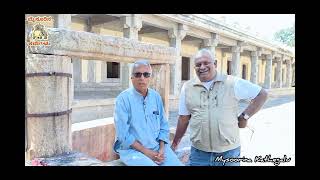
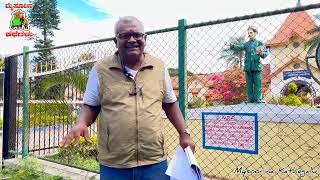
27 ಯೂಟ್ಯೂಬ್ನಲ್ಲಿ ನೋಡಿ ↗ EP27 | ಚಾಮರಾಜನಗರ | ಎಂಟು ರಾಟೆಗಳ ಬಾವಿ ಕಂಡು ಪ್ರಶಂಸಿಸಿದ ಸರ್ ಎಂ ವಿಶ್ವೇಶ್ವರಯ್ಯನವರು...
An eight-wheel well in Chamarajanagar that Sir M. Visvesvaraya praised.
ಧರ್ಮಿ ಸರ್ ಎಂದೇ ಪರಿಚಿತರಾದ ಧರ್ಮೇಂದ್ರ ಕುಮಾರ್ ಅರೇನಹಳ್ಳಿ ಕರ್ನಾಟಕವನ್ನು ಸ್ಥಳದಿಂದ ಸ್ಥಳಕ್ಕೆ ಕನ್ನಡದಲ್ಲಿ ಹೇಳುತ್ತಾರೆ. ಅವರ ವಾಹಿನಿ ಮೈಸೂರಿನ ಕಥೆಗಳಲ್ಲಿ ದೇವಾಲಯ, ಕೋಟೆ, ಅರಮನೆ, ಬೀದಿ ಮತ್ತು ಜನರ 852 ಕಥೆಗಳಿವೆ.
ಯೂಟ್ಯೂಬ್ನಲ್ಲಿ @mysoorinakathegalu9509 ↗
27 ಯೂಟ್ಯೂಬ್ನಲ್ಲಿ ನೋಡಿ ↗ An eight-wheel well in Chamarajanagar that Sir M. Visvesvaraya praised.
26 ಯೂಟ್ಯೂಬ್ನಲ್ಲಿ ನೋಡಿ ↗ The unused old police-station building in Chamarajanagar.
25 ಯೂಟ್ಯೂಬ್ನಲ್ಲಿ ನೋಡಿ ↗ How Arikothara was renamed Chamarajanagar.
10 ಯೂಟ್ಯೂಬ್ನಲ್ಲಿ ನೋಡಿ ↗ Sultan Road in Chamarajanagar, a Tipu-period road still in use.
Tipu Sultan (1750-1799) was the ruler of the Kingdom of Mysore in southern India. He's a figure of significant historical debate and discussion. Here's an overview: - *Early Life and Reign*: Tipu Sultan was the son of Hyder Ali, a powerful military leader who took control of Mysore. Tipu succeeded his father in 1782 and ruled until his death in 1799. - *Military Campaigns*: Tipu Sultan was known for his military prowess and modernization of Mysore's army. He fought several wars against the British East India Company, notably the Anglo-Mysore Wars. - *Conflict with British*: Tipu Sultan's resistance against British expansion in southern India led to conflicts, particularly the Fourth Anglo-Mysore War, where he was killed defending his capital, Srirangapatna, in 1799. - *Legacy*: Tipu Sultan's legacy is complex and debated. Some view him as a freedom fighter resisting British colonialism; others criticize his policies and methods. He's remembered for his administrative reforms, promotion of trade, and patronage of arts in Mysore. - *Historical Sites*: Places like Tipu Sultan's Palace in Bangalore and the fort in Srirangapatna are associated with his history. Tipu Sultan's life and rule are subjects of ongoing historical study and discussion, reflecting the complexities of India's colonial past. Do you want me to tell you more about Tipu Sultan or is there something specific you'd like to know?
03 ಯೂಟ್ಯೂಬ್ನಲ್ಲಿ ನೋಡಿ ↗ The town's first printing press, from the B. L. Rice period, in Chamarajanagar.
02 ಯೂಟ್ಯೂಬ್ನಲ್ಲಿ ನೋಡಿ ↗ A two-hundred-year-old dam in Chamarajanagar district.
01 ಯೂಟ್ಯೂಬ್ನಲ್ಲಿ ನೋಡಿ ↗ A British boundary stone between the Mysore and Madras provinces in Chamarajanagar.
Chamarajanagar is a city and district in the state of Karnataka, India. Here are some key facts about Chamarajanagar: - *Location*: Chamarajanagar is situated in the southern part of Karnataka, bordering the states of Tamil Nadu and Kerala. - *District Headquarters*: The city of Chamarajanagar serves as the administrative headquarters of the district. - *History*: The district has a rich history, with evidence of human habitation dating back to the Neolithic period. It was also part of the ancient Hoysala Empire. - *Economy*: The economy of Chamarajanagar is primarily driven by agriculture, with major crops including sugarcane, paddy, and ragi. The district is also known for its sericulture industry. - *Tourist Attractions*: Chamarajanagar is home to several tourist attractions, including the B R Hills, Mekedatu, and the Cauvery Wildlife Sanctuary. - *Cultural Significance*: The district has a diverse cultural heritage, with influences from various dynasties and traditions. Chamarajanagar is a district with a rich history, cultural significance, and natural beauty, making it a fascinating place to explore!
ಯೂಟ್ಯೂಬ್ನಲ್ಲಿ ನೋಡಿ ↗ The house in Mysuru where Infosys founder N. R. Narayana Murthy once lived.
05 ಯೂಟ್ಯೂಬ್ನಲ್ಲಿ ನೋಡಿ ↗ The panchaloha Gayatri Devi image associated with Gayatri Talkies in Mysuru.
03 ಯೂಟ್ಯೂಬ್ನಲ್ಲಿ ನೋಡಿ ↗ How much the Mysore maharaja gave to build a cinema, and what Cheluvachar brought with that money.
Kannada cinema, also known as Sandalwood, has a rich history dating back to the 1930s. Here's a brief overview: - *Early Beginnings*: The first Kannada talkie, "Sati Sulochana," was released in 1934, directed by Y. V. Rao. This marked the beginning of Kannada cinema. - *Growth and Development*: The 1950s and 1960s saw the rise of legendary actors and filmmakers who contributed to the growth of Kannada cinema. Notable films from this era include "Mahakavi Kalidasa" (1955) and "Bhakta Kanakadasa" (1960). - *Golden Era*: The 1970s and 1980s are considered the golden era of Kannada cinema, with films like "Kanchana Ganga" (1984) and "Anuraga Aralithu" (1986) gaining popularity. - *Modern Era*: Today, Kannada cinema has gained recognition and popularity, with films like "KGF" (2018) and "Lucifer" (2019) breaking box office records. The industry has also seen a rise in collaborations and crossovers, shaping the future of Indian cinema. Some notable figures in Kannada cinema include: - *Dr. Rajkumar*: A legendary actor and singer who dominated Kannada cinema for decades. - *Puttanna Kanagal*: A renowned director known for his impactful films. - *Girish Kasaravalli*: A critically acclaimed director who has won numerous awards for his films. Kannada cinema has come a long way, showcasing the region's culture, language, and talent to audiences worldwide.
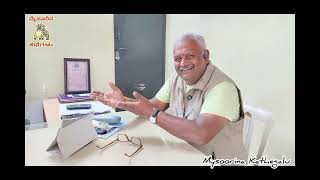
01 ಯೂಟ್ಯೂಬ್ನಲ್ಲಿ ನೋಡಿ ↗ Which cinema hall in Mysuru was built for the maharajas.
Kannada cinema, also known as Sandalwood, has a rich history dating back to the 1930s. Here's a brief overview: - *Early Beginnings*: The first Kannada talkie, "Sati Sulochana," was released in 1934, directed by Y. V. Rao. This marked the beginning of Kannada cinema. - *Growth and Development*: The 1950s and 1960s saw the rise of legendary actors and filmmakers who contributed to the growth of Kannada cinema. Notable films from this era include "Mahakavi Kalidasa" (1955) and "Bhakta Kanakadasa" (1960). - *Golden Era*: The 1970s and 1980s are considered the golden era of Kannada cinema, with films like "Kanchana Ganga" (1984) and "Anuraga Aralithu" (1986) gaining popularity. - *Modern Era*: Today, Kannada cinema has gained recognition and popularity, with films like "KGF" (2018) and "Lucifer" (2019) breaking box office records. The industry has also seen a rise in collaborations and crossovers, shaping the future of Indian cinema. Some notable figures in Kannada cinema include: - *Dr. Rajkumar*: A legendary actor and singer who dominated Kannada cinema for decades. - *Puttanna Kanagal*: A renowned director known for his impactful films. - *Girish Kasaravalli*: A critically acclaimed director who has won numerous awards for his films. Kannada cinema has come a long way, showcasing the region's culture, language, and talent to audiences worldwide.
ಯೂಟ್ಯೂಬ್ನಲ್ಲಿ ನೋಡಿ ↗ Guruvayya, the Bhovi master-builder associated with Krishnaraja Sagar Dam.
01 ಯೂಟ್ಯೂಬ್ನಲ್ಲಿ ನೋಡಿ ↗ Episode 01 of a place-history series on Mandya.
ಯೂಟ್ಯೂಬ್ನಲ್ಲಿ ನೋಡಿ ↗ KRS was built by Nalvadi Krishnaraja Wadiyar.
ಕೆ ಆರ್ ಎಸ್ ಕಟ್ಟಿದ್ದು ನಾಲ್ವಡಿ ಪ್ರಭುಗಳು...
ಯೂಟ್ಯೂಬ್ನಲ್ಲಿ ನೋಡಿ ↗ A Sabarmati-style ashram that also stands in Mysuru.
ಯೂಟ್ಯೂಬ್ನಲ್ಲಿ ನೋಡಿ ↗ Gandhi Square in Mysuru, and the city's welcome that impressed Gandhi.
ಯೂಟ್ಯೂಬ್ನಲ್ಲಿ ನೋಡಿ ↗ Crawford Hall in Mysuru, called the city's house of Saraswati.
02 ಯೂಟ್ಯೂಬ್ನಲ್ಲಿ ನೋಡಿ ↗ Episode 02 on the President's Bodyguard force posted in Mysuru.
ಯೂಟ್ಯೂಬ್ನಲ್ಲಿ ನೋಡಿ ↗ The historic episode that gave Pandavapura its name.
ಯೂಟ್ಯೂಬ್ನಲ್ಲಿ ನೋಡಿ ↗ The Kaveri dispute, framed as another region's wrong and Karnataka's misfortune.
ಯೂಟ್ಯೂಬ್ನಲ್ಲಿ ನೋಡಿ ↗ The history of Theobald Road in Mysuru, introduced through the word taxidermist.
History of Theobald road, Mysore
ಯೂಟ್ಯೂಬ್ನಲ್ಲಿ ನೋಡಿ ↗ A threat to Lalitha Mahal Palace.
ಯೂಟ್ಯೂಬ್ನಲ್ಲಿ ನೋಡಿ ↗ India's first underground drainage system, told as Mysuru history.
History of Mysuru
ಯೂಟ್ಯೂಬ್ನಲ್ಲಿ ನೋಡಿ ↗ A Mysore History episode on a post office.
Post office
ಯೂಟ್ಯೂಬ್ನಲ್ಲಿ ನೋಡಿ ↗ The history of Krishnaraja Boulevard.