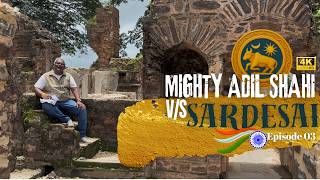
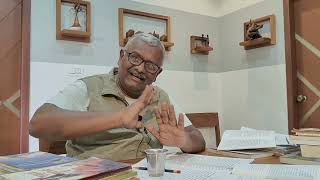
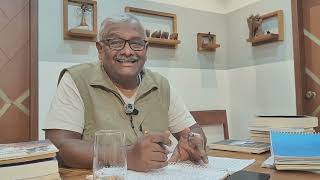
ಧರ್ಮಿ ಸರ್ ಎಂದೇ ಪರಿಚಿತರಾದ ಧರ್ಮೇಂದ್ರ ಕುಮಾರ್ ಅರೇನಹಳ್ಳಿ ಕರ್ನಾಟಕವನ್ನು ಸ್ಥಳದಿಂದ ಸ್ಥಳಕ್ಕೆ ಕನ್ನಡದಲ್ಲಿ ಹೇಳುತ್ತಾರೆ. ಅವರ ವಾಹಿನಿ ಮೈಸೂರಿನ ಕಥೆಗಳಲ್ಲಿ ದೇವಾಲಯ, ಕೋಟೆ, ಅರಮನೆ, ಬೀದಿ ಮತ್ತು ಜನರ 852 ಕಥೆಗಳಿವೆ.
ಧರ್ಮೇಂದ್ರ ಕುಮಾರ್ ಅರೇನಹಳ್ಳಿDharmendra Kumar Arenahalliಜನ ಅವರನ್ನು ಧರ್ಮಿ ಸರ್, ಧರ್ಮಿ, ಧರ್ಮಣ್ಣ ಎಂದು ಕರೆಯುತ್ತಾರೆ. ಕರ್ನಾಟಕದ ಸಿವಿಲ್ ಇಂಜಿನಿಯರ್, ಸಾಮಾಜಿಕ ಇತಿಹಾಸಕಾರ, ಮತ್ತು ಡಿಜಿಟಲ್ ಕಥೆಗಾರ.
Perspectives on Shivalingarudra Sarja, Thackeray, and Rani Chennamma in the Kittur story.
This is a special episode exploring the emotions surrounding Kittur during its final days. Through the perspectives of Shivalingarudrasarja, Thackeray, and Rani Channamma, the episode looks at the same moment in history through different eyes. The episode is deliberately cinematographed around the silence that remains in Kittur after the storm has passed. No background score has been used. Every frame is carefully and quietly composed, allowing the silence, the place, and the story to speak for themselves. This is not just an episode about what happened. It is about how it may have felt!
Brought to you by Mysoorina Kathegalu!
ವೀರ ಸಾಮ್ರಾಟನ ದುರಂತ ಅಂತ್ಯ | Kittur Episode 06 | Belagavi
The tragic end of a Kittur warrior-ruler, framed from Belagavi.
Chapters:
00:00 - 01:28 Intro
01:28 - 14:26 Empire under Mallasarja Desai
14:26 - 17:24 Personal Life
17:24 - 29:47 The Dusk of Empire
Audio copyrights:
Music from #InAudio: https://inaudio.org/
Cinematic Orchestra by Infraction [No Copyright Music] / Spirit
https://youtu.be/q84jfaYFbKo
Music from #InAudio: https://inaudio.org/
Documentary Cinematic Violin by Infraction [No Copyright Music] / Florist
https://youtu.be/xxfubxgrx6E
ಮೂರನೇ ಪಾಣಿಪತ್ ಯುದ್ಧದಲ್ಲಿ ಭಾಗವಹಿಸಿದ ಧೀರ ವೀರಪ್ಪ ಗೌಡ ಸರ್ದೇಸಾಯಿ | Kittur Episode 05 | Belagavi |
Kittur desai Veerappa Gowda and his part in the Third Battle of Panipat.
Audio Copyrights:
Music from #InAudio: https://inaudio.org/
Track Name.Cinematic Documentary Neo Classic by Infraction [No Copyright Music] / The Road
https://youtu.be/1j-0ygSMkLo
ಸರ್ ಎಂ ವಿಶ್ವೇಶ್ವರಯ್ಯನವರು ಬಂದಿದ್ದು ಎಲ್ಲಿಂದ ಗೊತ್ತೇನು...? | Karnataka | Andhra Pradesh |
Where Sir M. Visvesvaraya's family name comes from, at Mokshagundam and Addanki in Andhra Pradesh.
Sir Mokshagundam Visvesvaraya (15 September 1861-14 April 1962), also referred to by his initials, MV, was an Indian civil engineer, administrator, and statesman, who served as the 19th Dewan of Mysore from 1912 to 1918.
Visvesvaraya is regarded in India as one of the foremost civil engineers whose birthday, 15 September, is celebrated every year as Engineer's Day in India, Sri Lanka, and Tanzania. He is also often regarded as "the maker of modern Mysore". According to Prajavani, a Kannada language newspaper, he is also the most popular figure in the southern Indian state of Karnataka. Visvesvaraya worked as a civil engineer for the government of British India and later as Prime Minister of the Kingdom of Mysore. For his services to British India, he was appointed CIE and later knighted KCIE. For his services to the Kingdom of Mysore and the Republic of India, he was awarded the Bharata Ratna by Government of India in 1955.
Timeline:
00:00 - 00:42 Intro
00:42 - 02:41 Addanki
02:41 - 05:10 Heritage Mokshagundam
05:10 - 05:50 Old Mokshagundam
05:50 - 07:30 today's Mokshagundam
07:30 - 08:46 Sir MV's Family Tree
08:46 - 09:11 Why Mokshagundam?
09:11 - 12:45 Importance of Sir M Vishweshwariah
12:45 - 15:03 Tribute to Sir MV
Audio Credits:
@minnaminni - Classical Veena instrumental music | Ronak Ramchandran & Sarvesh Karthick | Melange Fest 2024|
https://youtu.be/1ayq6oS16jw?si=36-bV9WL1Mo9T_9F
#karnataka #andhrapradesh #engineering #history #kannada #telugu
ವಿಜಯನಗರ ಸಾಮ್ರಾಜ್ಯವನ್ನಾಳಿದ ಅರವೀಡು ರಾಜವಂಶಸ್ಥರ ಮೂಲ ಸ್ಥಳ... ಅಳಿಯ ರಾಮರಾಯ ಬಂದಿದ್ದು ಇಲ್ಲಿಂದಲೇ...
The Andhra ancestral home of the Aravidu dynasty and Aliya Rama Raya of Vijayanagara.
The Aravidu Dynasty was the fourth and last Hindu dynasty of the Vijayanagara Empire in South India. Its founder was Tirumala Deva Raya, whose brother Rama Raya had been the masterful regent of the last ruler of the previous dynasty. Rama Raya's death at the Battle of Talikota in 1565 led to the subsequent destruction of Vijayanagar by the combined forces of the Muslim states of the Deccan. The Aravidu family claimed to be Kshatriyas and were based in Andhra region. They claimed to belong to the Atreya gotra and traced their lineage to the Eastern Chalukya king Rajaraja Narendra.
Source: https://en.wikipedia.org/wiki/Aravidu_dynasty
Audio Copyrights:
Music from #InAudio: https://inaudio.org/
Epic Action Cinematic by Infraction [No Copyright Music] / Heroes
https://youtu.be/lpEL1Nt6rJk?si=Ba_Nhz23dVojxmt3
#hampi #kannada #vijayanagar #history
1962 ರಷ್ಟು ಹಿಂದೆಯೇ ಆಕಾಶವಾಣಿ ಸುದ್ದಿ ವಾಚಕಿ.. ಕೇಳಿ ಬೆಳೆದ "ಪ್ರದೇಶ ಸಮಾಚಾರ" ಓದಿದ ಮಹನೀಯರು..ನಾಗಮಣಿ ಎಸ್ ರಾವ್
Nagamani S. Rao, who read All India Radio news from the Bengaluru station from 1962.
Akashavani Bangalore is the Bengaluru hub of All India Radio (AIR). It broadcasts on several frequencies, 603 kHz, 612 kHz, 100.1 MHz, 101.3 MHz and 102.9 MHz, offering news, cultural programmes, and entertainment in Kannada and other languages ¹ ². The station is located at Raj Bhavan Road and can be streamed live via the AIR website or mobile apps ¹ ³.
You can tune in on FM 100.1 MHz for the primary Kannada service, or catch the medium‑wave transmissions at 603 kHz/612 kHz. The station also runs a Vividh Bharati channel on 102.9 MHz for varied programming
The rise of Pulakeshin II of the Badami Chalukyas.
The Badami Chalukyas were the rock‑stars of early medieval South India (6th, 8th century). They kicked off the Chalukya dynasty from their capital at Badami (then Vatapi) in Karnataka.
- *Founders*: Pulakeshin I carved out the kingdom around 540 CE; his son Karikala expanded it.
- *Golden age*: Pulakeshin II (c. 610‑642) is the big name, he beat Harsha of Kannauj, took control of the Deccan, and even sent an embassy to the Persian king.
- *Architecture*: They built the famous cave temples at Badami (cave 1‑4) and the early structural temples at Aihole and Pattadakal, think bold pillars, intricate carvings, and a mix of Dravidian & Nagara styles.
- *Culture*: Patrons of art, literature, and both Hindu & Jain traditions. The poet‑king Ravikirti’s Aihole inscription is a key historical record.
- *Legacy*: Their rule paved the way for the later Rashtrakutas and the Western Chalukyas, shaping the region’s political and cultural landscape for centuries.
If you want the nitty‑gritty on any king, temple, or inscription, just let me know!
#BadamiChalukyas #ChalukyaDynasty #PulakeshinII #Aihole #Pattadakal #IndianHistory #SouthIndia #AncientArchitecture
ಇಮ್ಮಡಿ ಪುಲಿಕೇಶಿ ಕಟ್ಟಿದ ಮೊದಲ ನೌಕಾಪಡೆ... ಇಲ್ಲಿದೆ ನೋಡಿ...
The first navy attributed to Pulakeshin II, without a place named for the base.
Immadi Pulikeshin II, also known as Pulakeshin II, was the greatest Chalukyan Emperor who ruled from Vatapi (present-day Badami in Karnataka, India) from around 609 to 642 CE. He expanded the Chalukya Empire to cover most of the Deccan region in peninsular India, making him a legendary figure in Karnataka's history.
*Early Life and Reign*
- He was the son of Chalukya monarch Kirttivarman I and overthrew his uncle Mangalesha to claim the throne.
- Pulikeshin II suppressed rebellions, defeated the Kadambas of Banavasi, and gained the allegiance of the Alupas and Gangas of Talakadu.
*Military Conquests*
- *Victory over Harshavardhana*: His most notable achievement was defeating the powerful northern emperor Harshavardhana, earning him the title "Paramaveshvara" (Supreme Lord).
- He conquered the Vishnukundina kingdom (lower Godavari-Krishna valley) and appointed his brother Kubja Vishnu-vardhana as governor.
- He also subjugated rulers of Dakshina Kosala and Kalinga.
*Cultural Contributions*
- Pulikeshin II was a Vaishnavite Hindu but patronized Jainism, evident from the Aihole inscription composed by poet Ravikirtti, which records the construction of a Jinendra temple.
- He encouraged Zoroastrian refugees (Parsis) fleeing Arab-Islamic persecution in Persia to settle on India's west coast.
- Architectural feats include temples in Badami, Aihole (like Meguti Jain temple), and Pattadakal, blending cave and Dravidian styles.
*Legacy*
- Chinese pilgrim Xuanzang described Pulikeshin as "farsighted, astute, and kind," with subjects who valued loyalty and honor.
- His story inspired works like Kalki Krishnamurthy's Tamil novel "Sivagamiyin Sapatham" (1948) and the 1967 Kannada film "Immadi Pulikeshi" starring Dr. Rajkumar.
- He's remembered as a great warrior, shrewd politician, and benevolent ruler in Karnataka's history ¹ ² ³.
Would you like to know more about his battles, cultural impact, or the Chalukya dynasty? 🤔
The last days of Pulakeshin II, who ruled from Vatapi, present-day Badami.
Immadi Pulikeshin II, also known as Pulakeshin II, was the greatest Chalukyan Emperor who ruled from Vatapi (present-day Badami in Karnataka, India) from around 609 to 642 CE. He expanded the Chalukya Empire to cover most of the Deccan region in peninsular India, making him a legendary figure in Karnataka's history.
*Early Life and Reign*
- He was the son of Chalukya monarch Kirttivarman I and overthrew his uncle Mangalesha to claim the throne.
- Pulikeshin II suppressed rebellions, defeated the Kadambas of Banavasi, and gained the allegiance of the Alupas and Gangas of Talakadu.
*Military Conquests*
- *Victory over Harshavardhana*: His most notable achievement was defeating the powerful northern emperor Harshavardhana, earning him the title "Paramaveshvara" (Supreme Lord).
- He conquered the Vishnukundina kingdom (lower Godavari-Krishna valley) and appointed his brother Kubja Vishnu-vardhana as governor.
- He also subjugated rulers of Dakshina Kosala and Kalinga.
*Cultural Contributions*
- Pulikeshin II was a Vaishnavite Hindu but patronized Jainism, evident from the Aihole inscription composed by poet Ravikirtti, which records the construction of a Jinendra temple.
- He encouraged Zoroastrian refugees (Parsis) fleeing Arab-Islamic persecution in Persia to settle on India's west coast.
- Architectural feats include temples in Badami, Aihole (like Meguti Jain temple), and Pattadakal, blending cave and Dravidian styles.
*Legacy*
- Chinese pilgrim Xuanzang described Pulikeshin as "farsighted, astute, and kind," with subjects who valued loyalty and honor.
- His story inspired works like Kalki Krishnamurthy's Tamil novel "Sivagamiyin Sapatham" (1948) and the 1967 Kannada film "Immadi Pulikeshi" starring Dr. Rajkumar.
- He's remembered as a great warrior, shrewd politician, and benevolent ruler in Karnataka's history ¹ ² ³.
Would you like to know more about his battles, cultural impact, or the Chalukya dynasty? 🤔
ಅಣ್ಣಾವ್ರನ್ನ ವೀರಪ್ಪನ್ ಕಿಡ್ನ್ಯಾಪ್ ಮಾಡಿದ್ದು ಹ್ಯಾಗೆ....
How Veerappan kidnapped Dr. Rajkumar from the farmhouse at Gajanur in Tamil Nadu.
Veerappan, a notorious Indian forest brigand, kidnapped legendary Kannada actor Dr. Rajkumar on July 30, 2000, from his farmhouse in Gajanur, Tamil Nadu. The kidnapping was a shocking incident that strained relations between Tamil Nadu and Karnataka, with millions of fans and two state governments on edge for 108 days.
*Key Events of the Kidnapping:*
- *The Abduction*: Veerappan and his armed gang attacked Rajkumar's farmhouse, taking the actor and his son-in-law, S.A. Govindaraj, hostage. Veerappan demanded ransom and made politically sensitive demands, including the release of 121 TADA detainees and recognition of Tamil as a second official language in Karnataka.
- *Negotiations*: Tamil journalist Nakkheeran Gopal was appointed as the chief negotiator by the Tamil Nadu and Karnataka governments. After several rounds of negotiations, Rajkumar was released on November 15, 2000.
- *Aftermath*: Although a police official claimed a ransom of 300 million rupees was paid for Rajkumar's release, the actor's family denied this allegation. Veerappan was eventually killed in an encounter with the Special Task Force in 2004.
*The Court Case:*
- *Acquittal*: In 2018, nine suspects accused of involvement in the kidnapping were acquitted by the Erode court due to lack of evidence. The court noted that the prosecution failed to prove the alleged nexus between Veerappan's gang and the accused ¹.
The kidnapping and subsequent events remain a significant chapter in India's criminal history, highlighting Veerappan's notorious activities and the complexities of law enforcement ².
The tragic end of Matti Thimmanna Nayaka, told from the Chitradurga nayaka history.
Timmanna Nayaka, as an ancestor of Madakari Nayaka, played a significant role in the history of Chitradurga. Here's more information:
- *Founder of the Nayaka Dynasty*: Timmanna Nayaka is considered one of the founders of the Nayaka dynasty in Chitradurga. He was a loyal chieftain under the Vijayanagara Empire and was appointed as the governor of Chitradurga.
- *Military Prowess*: Timmanna Nayaka was known for his military prowess and bravery, which earned him recognition and respect from the Vijayanagara Empire.
- *Establishment of Chitradurga*: He played a crucial role in establishing Chitradurga as a stronghold and laying the foundation for the fort's development.
- *Legacy*: Timmanna Nayaka's legacy continued through his descendants, including Madakari Nayaka, who went on to become one of the most notable rulers of the Nayaka dynasty.
Timmanna Nayaka's contributions to the history of Chitradurga are significant, and his legacy continues to be celebrated in the region.
EP02 | ಮತ್ತಿ ತಿಮ್ಮಣ್ಣ ನಾಯಕರು ಪಟ್ಟಾಭಿಷೇಕ ಮಾಡಿಸಿಕೊಂಡ ಆ ಶಕ್ತಿ ಪೀಠ ಎಲ್ಲಿದೆ ಗೊತ್ತೇನು...
The shaktipeeth where Matti Thimmanna Nayaka was crowned, in the Chitradurga nayaka story.
The Nayakas of Chitradurga were a dynasty that ruled the region of Chitradurga in Karnataka, India, from the 15th to the 18th century. Here's a brief overview [2][1]:
- *Founding*: The Nayakas were originally feudatories of the Vijayanagara Empire. They were appointed as governors of Chitradurga and later declared independence in 1565.
- *Notable Rulers*: Some notable rulers of the Nayakas of Chitradurga include:
- *Timmana Nayaka*: A chieftain under the Vijayanagar Empire, appointed as governor of Chitradurga for his excellent military services.
- *Madakari Nayaka V*: The last ruler of the Nayakas of Chitradurga, who utilized the fort effectively for defense during three battles against Hyder Ali before being defeated in 1779.
- *Military Prowess*: The Nayakas were known for their military prowess and defensive strategies, particularly in the fort of Chitradurga.
- *Cultural Contributions*: The Nayakas patronized art, literature, and architecture, contributing to the cultural heritage of the region.
- *Legacy*: The Nayakas of Chitradurga played a significant role in the history of Karnataka, resisting the invasions of Hyder Ali and Tipu Sultan. Their legacy continues to be celebrated in the region.
The Nayakas of Chitradurga were a prominent dynasty that left a lasting impact on the history and culture of Karnataka.
EP03 | ಬಿ ಸರೋಜಾದೇವಿಯವರನ್ನು ಬೆಳ್ಳಿತೆರೆಗೆ ತಂದ ಕೀರ್ತಿ ಶೇಷ ಹೊನ್ನಪ್ಪ ಭಾಗವತರ್...
Honappa Bhagavathar, from Chowdasandra in Nelamangala, as the person who brought B. Saroja Devi to the screen.
Honnappa Bhagavathar was a renowned Indian actor, singer, producer, and musician who made significant contributions to Kannada and Tamil cinema. Born on January 14, 1915, in Chowdasandra, Nelamangala, Bangalore, he began his career in the entertainment industry through theater and music.
Early Life and Career
Honnappa Bhagavathar's father, Chikkalingappa, passed away when he was five years old. His mother, Kallamma, played a crucial role in nurturing his interest in music. He later moved to Bangalore, where he learned classical music from notable gurus Sambashiva Murthy Bhagavathar and Arunachalappa.
Notable Contributions
- *Theater and Film Career*: Honnappa Bhagavathar joined Gubbi Sri Channabasaveshwara Drama Company, founded by Gubbi Veeranna, and became a prominent actor. He made his film debut in "Ambikapathi" (1941) and went on to act in numerous Tamil and Kannada films, including "Sri Murugan" (1946) alongside MGR.
- *Production Company*: He founded Lalithakaala Films, which produced films in Kannada and Tamil, such as "Mahakavi Kalidasa" (1955) and "Uzhavukkum Thozhilukkum Vandhanai Seivom" (1959).
- *Music School*: In 1960, he established "Nadabrahma Sangeetha Vidyalaya," a music school that promoted classical music.
Awards and Recognition
- *National Awards*: His films "Mahakavi Kalidasa" (1955) and "Jagajyothi Basaveshwara" (1959) received National Awards.
- *Best Actor*: He was awarded "Best Actor" by the Madras Cine Fans Association in 1956.
- *Gana Kalabhushana and Gaanakalaa Gandharva*: He received these titles in 1976 and 1978, respectively, for his contributions to music.
- *Sangeet Natak Akademi Award*: He was awarded this prestigious award in 1990 for his contributions to music and theater.
#Kannada cinema
#Tamil cinema
#Actor
#Singer
#Musician
#Theater
#Classical music
#Nadabrahma Sangeetha Vidyalaya
#National Awards
#Gana Kalabhushana
EP 02 | ಹೊನ್ನಪ್ಪ ಭಾಗವತರ್ | ಸೂರ್ಯ ಹುಟ್ಟೋಕೆ ಮುಂಚೆನೇ ಯಾಕೋ ಮಂಗಳ ಹಾಡಿದೆ ಎಂದು ಗದರುತ್ತಿದ್ದ ಚಾಪೆ ಕ್ಲಾಸ್...
The early music class of Honappa Bhagavathar, born at Chowdasandra in Nelamangala.
Honnappa Bhagavathar was a renowned Indian actor, singer, producer, and musician who made significant contributions to Kannada and Tamil cinema. Born on January 14, 1915, in Chowdasandra, Nelamangala, Bangalore, he began his career in the entertainment industry through theater and music.
Early Life and Career
Honnappa Bhagavathar's father, Chikkalingappa, passed away when he was five years old. His mother, Kallamma, played a crucial role in nurturing his interest in music. He later moved to Bangalore, where he learned classical music from notable gurus Sambashiva Murthy Bhagavathar and Arunachalappa.
Notable Contributions
- *Theater and Film Career*: Honnappa Bhagavathar joined Gubbi Sri Channabasaveshwara Drama Company, founded by Gubbi Veeranna, and became a prominent actor. He made his film debut in "Ambikapathi" (1941) and went on to act in numerous Tamil and Kannada films, including "Sri Murugan" (1946) alongside MGR.
- *Production Company*: He founded Lalithakaala Films, which produced films in Kannada and Tamil, such as "Mahakavi Kalidasa" (1955) and "Uzhavukkum Thozhilukkum Vandhanai Seivom" (1959).
- *Music School*: In 1960, he established "Nadabrahma Sangeetha Vidyalaya," a music school that promoted classical music.
Awards and Recognition
- *National Awards*: His films "Mahakavi Kalidasa" (1955) and "Jagajyothi Basaveshwara" (1959) received National Awards.
- *Best Actor*: He was awarded "Best Actor" by the Madras Cine Fans Association in 1956.
- *Gana Kalabhushana and Gaanakalaa Gandharva*: He received these titles in 1976 and 1978, respectively, for his contributions to music.
- *Sangeet Natak Akademi Award*: He was awarded this prestigious award in 1990 for his contributions to music and theater.
#Kannada cinema
#Tamil cinema
#Actor
#Singer
#Musician
#Theater
#Classical music
#Nadabrahma Sangeetha Vidyalaya
#National Awards
#Gana Kalabhushana
EP 01 | ಹೊನ್ನಪ್ಪ ಭಾಗವತರ್ | ಕನ್ನಡ ಚಿತ್ರರಂಗದ ದಿಗ್ಗಜ | ಬದುಕು ಸಾಧನೆ...
The life of Honappa Bhagavathar, born at Chowdasandra in Nelamangala and later based in Bengaluru.
Honnappa Bhagavathar was a renowned Indian actor, singer, producer, and musician who made significant contributions to Kannada and Tamil cinema. Born on January 14, 1915, in Chowdasandra, Nelamangala, Bangalore, he began his career in the entertainment industry through theater and music.
Early Life and Career
Honnappa Bhagavathar's father, Chikkalingappa, passed away when he was five years old. His mother, Kallamma, played a crucial role in nurturing his interest in music. He later moved to Bangalore, where he learned classical music from notable gurus Sambashiva Murthy Bhagavathar and Arunachalappa.
Notable Contributions
- *Theater and Film Career*: Honnappa Bhagavathar joined Gubbi Sri Channabasaveshwara Drama Company, founded by Gubbi Veeranna, and became a prominent actor. He made his film debut in "Ambikapathi" (1941) and went on to act in numerous Tamil and Kannada films, including "Sri Murugan" (1946) alongside MGR.
- *Production Company*: He founded Lalithakaala Films, which produced films in Kannada and Tamil, such as "Mahakavi Kalidasa" (1955) and "Uzhavukkum Thozhilukkum Vandhanai Seivom" (1959).
- *Music School*: In 1960, he established "Nadabrahma Sangeetha Vidyalaya," a music school that promoted classical music.
Awards and Recognition
- *National Awards*: His films "Mahakavi Kalidasa" (1955) and "Jagajyothi Basaveshwara" (1959) received National Awards.
- *Best Actor*: He was awarded "Best Actor" by the Madras Cine Fans Association in 1956.
- *Gana Kalabhushana and Gaanakalaa Gandharva*: He received these titles in 1976 and 1978, respectively, for his contributions to music.
- *Sangeet Natak Akademi Award*: He was awarded this prestigious award in 1990 for his contributions to music and theater.
#Kannada cinema
#Tamil cinema
#Actor
#Singer
#Musician
#Theater
#Classical music
#Nadabrahma Sangeetha Vidyalaya
#National Awards
#Gana Kalabhushana
The full life of Nalvadi Krishnaraja Wodeyar, opening a Mysore-history series.
Nalwadi Krishnaraja Wodeyar was the 24th Maharaja of the Kingdom of Mysore, reigning from 1894 to 1940. He is considered one of the most progressive and visionary rulers in Indian history. Here are some of his notable achievements:
Reign and Reforms
- *Administrative Reforms*: He implemented various administrative reforms, including the establishment of a modern bureaucracy, a public service commission, and a legislative council.
- *Economic Development*: Wodeyar encouraged industrialization, agriculture, and infrastructure development, including the construction of dams, roads, and railways.
- *Education and Healthcare*: He invested in education and healthcare, establishing schools, colleges, and hospitals, and promoting women's education.
Cultural and Social Contributions
- *Patronage of Arts*: Wodeyar was a patron of the arts, supporting traditional and classical music, dance, and literature.
- *Promotion of Kannada*: He encouraged the development of Kannada language and literature, and supported the establishment of the Kannada Sahitya Parishat.
- *Social Welfare*: He implemented social welfare programs, including initiatives to improve the lives of marginalized communities.
Legacy
- *Model State*: During his reign, Mysore became a model state in India, known for its progressive administration, economic development, and social welfare programs.
- *Influence on Indian Politics*: Wodeyar's reforms and policies influenced Indian politics, and he was a key figure in the development of democratic institutions in India.
Nalwadi Krishnaraja Wodeyar's legacy continues to be celebrated in Karnataka, and his contributions to the state's development are still remembered and studied today.
#Nalwadi Krishnaraja Wodeyar
#Kingdom of Mysore
#Progressive ruler
#Administrative reforms
#Economic development
#Education
#Healthcare
#Patronage of arts
#Kannada language and literature
#Social welfare
ಪದ್ಮಭೂಷಣ ಪ್ರಶಸ್ತಿ ನೋಡಿದೀರಾ | ವೀಣೆ ದೊರೆಸ್ವಾಮಿ ಅಯ್ಯಂಗಾರ್ | ಬಾಳಿದ ಮನೆ ಸಂದ ಪ್ರಶಸ್ತಿ ಗೌರವ | ಜೀವನ ಸಾಧನೆ..
Veene Doreswamy Iyengar's Padma Bhushan, the house he lived in, and his life's work, with no town named.
Veena Doreswamy Iyengar was a prominent figure in Carnatic music, known for his mastery of the veena instrument. Here are some key points about her:
- *Early Life and Training*: Born in Karnataka, India, Veena Doreswamy Iyengar began his musical training at a young age under the guidance of her father, a musician. He later trained under prominent gurus to hone her skills on the veena.
- *Contributions to Music*: he was instrumental in popularizing the veena and Carnatic music globally. Through his performances, teaching, and workshops, he introduced many to the rich traditions of Indian classical music.
- *Awards and Recognition*: Veena Doreswamy Iyengar received several awards and honors for her contributions to music, including prestigious titles and fellowships.
- *Legacy*: his legacy continues through her students and recordings, inspiring future generations of musicians and music enthusiasts.
- *Raga*: Melodic framework for improvisation and composition.
- *Tala*: Rhythmic cycle or meter.
- *Swar*: Musical notes (Sa, Re, Ga, Ma, Pa, Dha, Ni).
- *Guru-Shishya Parampara*: Traditional teacher-disciple lineage.
- *Carnatic*: South Indian classical music tradition.
- *Hindustani*: North Indian classical music tradition.
- *Alap*: Improvisational introduction to a raga.
- *Bandish*: Composed piece in Indian classical music.
- *Sangeet*: Music.
 08 ಯೂಟ್ಯೂಬ್ನಲ್ಲಿ ನೋಡಿ ↗