Dharmi Sir’s channel, told by place

ಮೈಸೂರಿನ ಕಥೆಗಳು

Mysoorina Kathegalu

Dharmendra Kumar Arenahalli, known as Dharmi Sir, tells Karnataka in Kannada, place by place. 852 stories from his channel Mysoorina Kathegalu: temples, forts, palaces, streets, and the people tied to them.

ಧರ್ಮೇಂದ್ರ ಕುಮಾರ್ ಅರೇನಹಳ್ಳಿ Dharmendra Kumar Arenahalli Popularly known as Dharmi Sir, Dharmi, and Dharmanna. A civil engineer, social historian, and digital storyteller from Karnataka.

@mysoorinakathegalu9509 on YouTube ↗

151 stories

in Old Mysore
Address /?region=old-mysore
Clear all
Watch on YouTube ↗
Agastheshwara Temple, T. Narasipura · Mysuru

The Agastheshwara Shiva temple at T. Narasipura in Mysuru, linked to sage Agastya.

ಅಗಸ್ತ್ಯೇಶ್ವರ ದೇವಸ್ಥಾನ | ಮಹರ್ಷಿ ಅಗಸ್ತ್ಯರು ಸ್ಥಾಪಿಸಿದ ಭಾರತದ ಮೊದಲ ಶಿವಲಿಂಗ | T Narasipura | Mysuru |

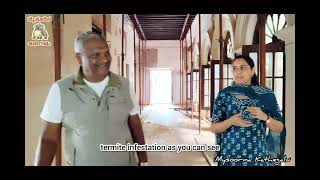
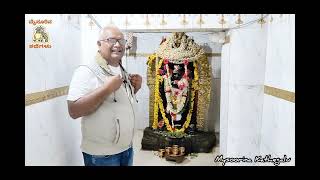
At a distance of 35 Kms from Mysore, Agasteswara temple is a famous temple built at the confluence of two rivers - Cauvery & Kabini (Kapila). According to scriptures Maharishi Agasthya went through the Dandakaranya. He reached this place and wanted to offer prayer to Lord Shiva. He ordered Hanuman to get a Shiva Lingam from Kashi for pooja. By the time Hanuman brought the Lingam, Agasthya made a Lingam out of sand and started to worship it. Lord Hanuman was annoyed and tried to destroy the lingam. The height of the lingam grew to about 60 feet. The panchalingas of T.Narasipur include the lingas at Someshwara lingam, Markandeshwara lingam, the Gargeshwara Lingam at Gargeshwari village, along with the Agasthyeshwara and the Hanuman Lingam at T.Narasipura. Kumbhamela is performed once in 3 years, only at this location in South India. Source: https://www.trawell.in/karnataka/mysore/agasteswara-temple-tnarasipura Timeline: 00:00 - 00:57 Intro 00:57 - 05:10 Story of Agastheshwara 05:10 - 07:24 The Entrance 07:24 - 10:11 Inner premises of Temple 10:11 - 11:45 An Interesting figure 11:45 - 14:41 Petelu Chowdiah's Inspiration 14:41 - 17:44 Much more to look around 17:44 - 19:38 The Howdah 19:38 - 21:15 The Nandi and The Bhrungi 21:15 - 24:35 Goddess Paarvathi 24:35 - 25:39 Hanumantheshwara 25:39 - 27:04 Dedicated Temple Comittee 27:04 - 27:51 Outro Audio Copyrights: @minnaminni - Classical Veena instrumental music | Ronak Ramchandran & Sarvesh Karthick | Melange Fest 2024| https://youtu.be/1ayq6oS16jw?si=6uyCtabqMPOBhLIJ
Temple
Agastya
Watch on YouTube ↗
Lakshmi Narasimha Temple, Hosaholalu · Mandya

The Hoysala Lakshmi Narasimha temple at Hosaholalu in Mandya.

ಹೊಯ್ಸಳರ ವಿಸ್ಮಯ... ಹೊಸಹೊಳಲಿನ ಶ್ರೀಲಕ್ಷ್ಮೀನರಸಿಂಹ ದೇವಸ್ಥಾನ...

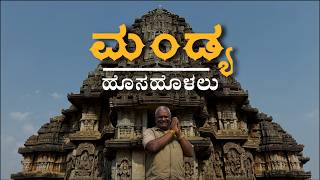
The Lakshminarayana Temple is a 13th-century Hindu temple with Hoysala architecture in Hosaholalu, Mandya district of Karnataka, India. Dedicated to Vishnu, this three-shrine monument is notable for its finely carved plinth (adhisthana) with panels of the Ramayana, the Mahabharata and the Bhagavata Purana. It has one of the most beautifully embellished Hoysala tower projection (sukanasa) that integrates the Dravida motifs with asta-bhadra Bhumija motifs from central India. Also notable are polish and jewelry-like carvings inside the temple's mandapa. Timeline: 00:00 - 01:32 Intro 01:32 - 04:10 Why visit Hosaholalu? 04:10 - 11:38 Inside the Temple 11:38 - 24:05 Outside the Temple Audio Copyrights: Music from #InAudio: https://inaudio.org/ Epic Action Cinematic by Infraction [No Copyright Music] / Heroes https://youtu.be/lpEL1Nt6rJk?si=0rUmB6bby1HJ6J2L

Temple
Hoysala
Watch on YouTube ↗
Maddur · Mandya

Where the Maddur vada is said to have originated, in Mandya district.

ಮದ್ದೂರು ವಡೆ ಹುಟ್ಟಿದ್ದು ಎಲ್ಲಿ ಗೊತ್ತೇನು...

Food
42 Watch on YouTube ↗
Gangadhareshwara Temple, BR Hills · Chamarajanagar
Chamarajanagar series · Episode 42

The swayambhu Gangadhareshwara shrine on Biligiriranga Hills in Chamarajanagar.

EP42 | ಬಿಳಿಗಿರಿರಂಗನ ಬೆಟ್ಟದ ಒಡೆಯ | ಗಂಗಾಧರೇಶ್ವರ ಸ್ವಯಂಭೂ ಉದ್ಭವ ಈಶ್ವರ |

Temple
41 Watch on YouTube ↗
Biligiriranga Hills · Chamarajanagar
Chamarajanagar series · Episode 41

A history of Biligiriranga Hills in Chamarajanagar.

EP41 | ಬಿಳಿಗಿರಿರಂಗನ ಬೆಟ್ಟದ ಇತಿಹಾಸ | BR hills |

Temple · Nature
Watch on YouTube ↗
Vijayanagareshwari Temple, Kalkuni · Mandya

The Vijayanagareshwari shrine at Kalkuni village in Malavalli taluk, Mandya.

ತನ್ನ ನೆತ್ತಿಯ ಮೇಲೆಯೇ ಬೆಳಗುವ ಜ್ಯೋತಿಯನ್ನಿರಿಸಿಕೊಂಡ ಶಕ್ತಿದೇವತೆ, ವಿಜಯನಗರೇಶ್ವರಿ, ಕಲ್ಕುಣಿ ಗ್ರಾಮ ಮಳವಳ್ಳಿ...

Temple · Folk deity
34 Watch on YouTube ↗
Pete School, Chamarajanagar · Chamarajanagar
Chamarajanagar series · Episode 34

The century-old Pete School in Chamarajanagar town.

EP34 | ಚಾಮರಾಜನಗರ | ಪೇಟೆ ಸ್ಕೂಲು | ಶತಮಾನ ದಾಟಿದ ಹೆಮ್ಮೆಯ ಸ್ಕೂಲು...

Education
33 Watch on YouTube ↗
Amachavadi · Chamarajanagar
Chamarajanagar series · Episode 33

Amachavadi, where Aliya Lingaraja set up five kalashas so the Mysore king would visit.

EP33 | ಚಾಮರಾಜನಗರ | ಮಾರಾಜ್ರು ನಮ್ಮೂರಿಗೆ ಬರಲೇ ಬೇಕು ಅಂತ ಐದು ಕಲಶ ಸ್ಥಾಪಿಸಿದ ಅಳಿಯ ಲಿಂಗರಾಜ... ಅಮಚವಾಡಿ...

Temple · Court history
Aliya Lingaraja
32 Watch on YouTube ↗
Beratahalli · Chamarajanagar
Chamarajanagar series · Episode 32

The district's first school, founded in 1869 at Beratahalli in Gundlupet taluk.

EP32 | ಚಾಮರಾಜನಗರ | 1869ರಲ್ಲೇ ಸ್ಥಾಪಿತವಾದ ಜಿಲ್ಲೆಯ ಮೊತ್ತ ಮೊದಲ ಶಾಲೆ, ಬೆರಟಹಳ್ಳಿ, ಗುಂಡ್ಲುಪೇಟೆ ತಾಲೂಕು...

Education
31 Watch on YouTube ↗
Hardanahalli · Chamarajanagar
Chamarajanagar series · Episode 31

Hardanahalli's Divyalingeshwara, remembered for an ordeal with a heated iron rod.

EP31| ಚಾಮರಾಜನಗರ | ಕಾದ ಕಬ್ಬಿಣದ ಸಲಾಕೆಯನ್ನು ಹಿಡಿದು ಸತ್ಯ ಹೇಳುತ್ತಿದ್ದ ಹರದನಹಳ್ಳಿಯ ದಿವ್ಯಲಿಂಗೇಶ್ವರ...

Temple · Folk deity
Divyalingeshwara
30 Watch on YouTube ↗
Yelandur · Chamarajanagar
Chamarajanagar series · Episode 30

Why Yelandur remained a taluk, and the seat of Shadakshara Deva and Muppina Shadakshari.

EP30 | ಚಾಮರಾಜನಗರ | ಯಳಂದೂರು ತಾಲೂಕಾಗಿಯೇ ಉಳಿದುಕೊಂಡ ಸೋಜಿಗ | ಷಡಕ್ಷರ ದೇವ ಮತ್ತು ಮುಪ್ಪಿನ ಷಡಕ್ಷರಿಗಳ ಗದ್ದುಗೆ..

Literature · Court history
Shadakshara Deva, Muppina Shadakshari
29 Watch on YouTube ↗
Arkanatheshwara Temple, Alur · Chamarajanagar
Chamarajanagar series · Episode 29

Alur's Arkanatheshwara temple and Ganga king Butuga II's victory over Parantaka Chola.

EP29 | ಚಾಮರಾಜನಗರ | ಆಲೂರು ಅರ್ಕನಾಥೇಶ್ವರ | ಗಂಗರ ದೊರೆ ಇಮ್ಮಡಿ ಬೂತುಗ ಪರಾಂತಕ ಚೋಳನನ್ನು ಗೆದ್ದ ಕತೆ...

Temple · War
Butuga II, Ganga, Chola
28 Watch on YouTube ↗
Chamarajanagar
Chamarajanagar series · Episode 28

A little-known museum in Chamarajanagar.

EP28 | ಚಾಮರಾಜನಗರ | ಯಾರ ಕಣ್ಣಿಗೂ ಬೀಳದ ಒಂದು ರಹಸ್ಯ ಮ್ಯೂಸಿಯಂ ನೋಡಿ ಇಲ್ಲಿದೆ...

Museum
27 Watch on YouTube ↗
Chamarajanagar
Chamarajanagar series · Episode 27

An eight-wheel well in Chamarajanagar that Sir M. Visvesvaraya praised.

EP27 | ಚಾಮರಾಜನಗರ | ಎಂಟು ರಾಟೆಗಳ ಬಾವಿ ಕಂಡು ಪ್ರಶಂಸಿಸಿದ ಸರ್ ಎಂ ವಿಶ್ವೇಶ್ವರಯ್ಯನವರು...

Civic life
M. Visvesvaraya
26 Watch on YouTube ↗
Chamarajanagar
Chamarajanagar series · Episode 26

The unused old police-station building in Chamarajanagar.

EP26 | ಚಾಮರಾಜನಗರ | ಯಾರಿಗೂ ಬೇಡವಾದ ಹಳೇ ಪೊಲೀಸ್ ಸ್ಟೇಶನ್ ಕಟ್ಟಡ...

Civic life
25 Watch on YouTube ↗
Chamarajanagar
Chamarajanagar series · Episode 25

How Arikothara was renamed Chamarajanagar.

EP25 | ಚಾಮರಾಜನಗರ | ಅರಿಕೊಠಾರದಿಂದ ಚಾಮರಾಜನಗರಕ್ಕೆ ಹೆಸರು ಬದಲಾಯಿಸಿದ್ದು ಹೇಗೆ...

Civic life · Court history
24 Watch on YouTube ↗
Chamarajeshwara Temple · Chamarajanagar
Chamarajanagar series · Episode 24

Darshan of the original Khasa Chamarajeshwara image in the town temple.

EP24 | ಚಾಮರಾಜನಗರ | ಮೂಲ ದೇವರು ಖಾಸಾ ಚಾಮರಾಜೇಶ್ವರನ ದರ್ಶನ ಮಾಡಿ...

Temple
23 Watch on YouTube ↗
Chamarajeshwara Temple · Chamarajanagar
Chamarajanagar series · Episode 23

The three-eyed Parvati image in the Chamarajeshwara temple.

EP23 | ಚಾಮರಾಜನಗರ | ತ್ರಿನೇತ್ರೆಯಾದ ಪಾರ್ವತಿ | ಚಾಮರಾಜೇಶ್ವರ ದೇಗುಲ...

Temple
22 Watch on YouTube ↗
Chamarajeshwara Temple · Chamarajanagar
Chamarajanagar series · Episode 22

Chamarajeshwara, a rare deity whose chariot is drawn in the month of Ashadha.

EP22 | ಚಾಮರಾಜನಗರ | ಆಷಾಢ ಮಾಸದಲ್ಲಿ ತೇರು ಎಳೆಸಿಕೊಳ್ಳುವ ಅಪರೂಪದ ದೈವ ಚಾಮರಾಜೇಶ್ವರ...

Temple · Festival
23 Watch on YouTube ↗
Chamarajeshwara Temple · Chamarajanagar
Chamarajanagar series · Episode 23

A rare inscription in the Chamarajeshwara temple at Chamarajanagar.

EP23 | ಚಾಮರಾಜನಗರ | ಅತ್ಯಪರೂಪದ ಶಾಸನ ಚಾಮರಾಜೇಶ್ವರನ ಗುಡಿ...

Temple · Inscription
21 Watch on YouTube ↗
Chamarajeshwara Temple · Chamarajanagar
Chamarajanagar series · Episode 21

The large pond used to distribute prasada at the Chamarajeshwara temple.

EP21 | ಚಾಮರಾಜನಗರ | ಚಾಮರಾಜೇಶ್ವರ ಗುಡಿಯ ಪ್ರಸಾದ ಹಂಚುವ ಬೃಹತ್ ಕೊಳದಪ್ಪಲೆ ನೋಡಿ...

Temple · Lake
20 Watch on YouTube ↗
Chamarajeshwara Temple · Chamarajanagar
Chamarajanagar series · Episode 20

Part 1 on the Chamarajeshwara temple in Chamarajanagar.

EP20 | ಚಾಮರಾಜನಗರ | ಚಾಮರಾಜೇಶ್ವರ ಗುಡಿಯ ವೈಭವ... ಭಾಗ 01

The Chamarajeshwara Temple in Chamarajanagar, Karnataka, is a stunning example of Dravidian and Hoysala architecture, dedicated to Lord Shiva. Built in the 18th century (1826) by Maharaja Mummadi Krishna Raja Wodeyar in memory of his father, Sri Jayachamarajendra Wodeyar, this temple is a must-visit for its spiritual and architectural significance ¹ ² ³. Key Highlights: - *Architecture*: The temple boasts a 70-feet tall, five-tiered Rajagopuram with intricate carvings and five brass Kalashas. Its walls depict mythological scenes like Girija Kalyana and Samudra Manthan. - *Deities*: The main deity is Chamarajeshwara (Lord Shiva in Linga form), accompanied by Ganesha and Chamundeshwari at the entrance. There are also shrines for Parvati, Nandi, and 64 other gods and goddesses. - *Festivals*: - *Rathayatra (Chariot Festival)*: A grand July festival where devotees pull a 167-year-old chariot; newly married couples throw ripe bananas under it for blessings. - *Shivaratri and Girija Kalyana*: Major festivals celebrated with special rituals. - *Timings*: 7:30 AM - 11:30 AM and 5:30 PM - 8:30 PM. - *Location*: Car St, Galipur, Chamarajanagar, Karnataka 571313. - *How to Reach*: - *By Road*: 185 km from Bangalore; 60 km from Mysore. Buses connect major cities. - *By Rail*: Chamarajanagar Railway Station is nearby. - *By Air*: Nearest airports are Mysore (27 km) and Coimbatore (130 km) ⁴ ² ⁵. This temple is a blend of history, spirituality, and art, making it a great spot to visit with family or friends ³.

Temple
Krishnaraja Wodeyar III, Wodeyar
04 Watch on YouTube ↗
Jayalakshmi Vilas Palace · Mysuru
Jayalakshmi Vilas series · Episode 4

American embassy aid of three crore rupees toward Jayalakshmi Vilas Palace in Mysuru.

EP04 | ಅಮೆರಿಕೆಯ ರಾಯಭಾರಿ ಕಚೇರಿಯೂ ಮೂರು ಕೋಟಿ ರೂಪಾಯಿ ಸಹಾಯ ಮಾಡಿದ ಘಟನೆ... ಜಯಲಕ್ಷ್ಮಿ ವಿಲಾಸ ಅರಮನೆ...

Palace
03 Watch on YouTube ↗
Jayalakshmi Vilas Palace · Mysuru
Jayalakshmi Vilas series · Episode 3

The golden Lakshmi figure in front of Jayalakshmi Vilas Palace in Mysuru.

EP03 | ಅರಮನೆಯ ಮುಂದಿನ ಬಂಗಾರದ ಲಕ್ಷ್ಮಿ | ಜಯಲಕ್ಷ್ಮಿ ವಿಲಾಸ ಅರಮನೆ...

Palace
02 Watch on YouTube ↗
Jayalakshmi Vilas Palace · Mysuru
Jayalakshmi Vilas series · Episode 2

A painting of Tirupati Balaji kept at Jayalakshmi Vilas Palace in Mysuru.

EP02 | ಬಂಗಾರದ ತಿರುಪತಿ ಬಾಲಾಜಿಯ ಚಿತ್ರ | ಜಯಲಕ್ಷ್ಮಿ ವಿಲಾಸ ಅರಮನೆ ಮೈಸೂರು...

Palace
19 Watch on YouTube ↗
Chamarajanagar
Chamarajanagar series · Episode 19

Why a fire is lit in front of the house after a death in Chamarajanagar custom.

EP 19 | ಚಾಮರಾಜನಗರ | ಸತ್ತಾಗ ಮನೆಯ ಮುಂದೆ ಬೆಂಕಿ ಹಾಕುವ ಉದ್ದೇಶವೇನು...

Community
01 Watch on YouTube ↗
Jayalakshmi Vilas Palace · Mysuru
Jayalakshmi Vilas series · Episode 1

Jayalakshmi Vilas Palace in Mysuru as it prepared to open to the public.

EP01 | ವೈಭವೋಪೇತ ಜಯಲಕ್ಷ್ಮೀ ವಿಲಾಸ ಅರಮನೆ | ಸಾರ್ವಜನಿಕರಿಗೆ ಮುಕ್ತ ಪ್ರವೇಶ ಕೆಲವೇ ದಿನಗಳಲ್ಲಿ...

The Jayalakshmivilas Palace in Mysore is a stunning example of Indo-Saracenic architecture, built in 1905 by Maharaja Krishnaraja Wodeyar IV. This palace has a rich history and is a must-visit destination in Mysore. *History and Architecture* - The palace was originally built as a residence for the Maharaja's daughters, Jayalakshmi Devi and her sister. - It's a blend of Indo-Saracenic and Roman architectural styles, with intricate carvings, arches, and domes. - The palace has three floors, with a beautiful garden and a museum showcasing artifacts, paintings, and sculptures. *Museum and Exhibits* - The museum features a collection of artifacts, including rare manuscripts, paintings, and sculptures from the 16th to 20th centuries. - Exhibits showcase the history of the Wodeyar dynasty, their contributions to art, culture, and architecture. - The palace also houses a collection of musical instruments, royal costumes, and jewelry. *Current Use* - The palace is now a museum and a popular tourist destination, managed by the Karnataka Government's Department of Archaeology and Museums. - It's a great place to experience the grandeur of the Wodeyar dynasty and learn about Mysore's rich cultural heritage. *Visitor Information* - *Location*: Manasagangotri, Mysore - 570006, Karnataka - *Timing*: 10:00 AM to 5:30 PM (Tuesday to Sunday) - *Entry Fee*: ₹20 (Indians), ₹200 (Foreigners) The Jayalakshmivilas Palace is a hidden gem in Mysore, offering a glimpse into the city's rich history and cultural heritage. If you're planning to visit Mysore, this palace is definitely worth a stop 🌟.

Palace
Krishnaraja Wodeyar IV, Wodeyar
16 Watch on YouTube ↗
Venugopala Temple, Hardanahalli · Chamarajanagar
Chamarajanagar series · Episode 16

The Venugopala temple at Hardanahalli, built after the Mysore Wodeyars yielded to local insistence.

EP16 | ಚಾಮರಾಜನಗರ | ಮೈಸೂರು ಒಡೆಯರು ಜಿದ್ದಿಗೆ ಬಿದ್ದು ಕಟ್ಟಿದ ಹರದನಹಳ್ಳಿಯ ವೇಣುಗೋಪಾಲ ದೇವಸ್ಥಾನ...

Temple
Wodeyar
Watch on YouTube ↗
Mysore Palace · Mysuru

The people who decorate the golden howdah with flowers for Mysore Dasara.

ಚಿನ್ನದ ಅಂಬಾರಿಗೆ ಹೂವಿನ ಅಲಂಕಾರ ಮಾಡೋರು ಇವರೇ ನೋಡಿ...

Mysore Dasara Jamboo Savari is a grand procession held on the final day of the Mysore Dasara festival, which is celebrated with great pomp and splendor in Mysore, Karnataka. This iconic event is a celebration of the victory of good over evil, commemorating the goddess Chamundeshwari's triumph over the demon Mahishasura. *Key Highlights of Jamboo Savari:* - *Elephant Procession*: The procession features decorated elephants, with the lead elephant carrying the idol of Goddess Chamundeshwari in a golden howdah (Mysore Ambari). - *Cultural Performances*: Traditional music, folk dances, and cultural tableaux are showcased during the procession. - *Royal Heritage*: The event reflects the rich cultural heritage and royal traditions of the Mysore Kingdom. - *Spiritual Significance*: The procession symbolizes the victory of good over evil and is considered a sacred event. *The Golden Howdah (Mysore Ambari)* The golden howdah is a significant part of the Jamboo Savari, weighing around 750 kilograms. It's placed on the back of the lead elephant, Abhimanyu, who has been carrying the golden howdah since 2020. The howdah is adorned with intricate designs and is a symbol of royal grandeur. *Procession Route and Timing* The procession starts from the Mysore Palace and culminates at Bannimantap Grounds, covering a distance of approximately 5.5 kilometers. Although the exact timing for this year's event has passed, the procession typically begins between 2:45 PM and 3:45 PM. *Tips for Visitors* - *Book Accommodations in Advance*: Mysore gets crowded during the festival, so it's essential to book your stay well in advance. - *Arrive Early*: Reach the procession route early to secure a good spot. - *Follow Safety Guidelines*: Follow the safety and crowd management guidelines provided by the authorities. Mysore Dasara Jamboo Savari is a spectacle that showcases Karnataka's rich cultural heritage and traditions. With its vibrant procession, cultural performances, and spiritual significance, it's an event that attracts thousands of tourists and devotees every year ¹ ² ³.

Festival · Craft
14 Watch on YouTube ↗
Chamarajanagar
Chamarajanagar series · Episode 14

The press of Sosale Garalapuri Shastri, who formulated sandal soap, in the Chamarajanagar series.

EP14 | ಚಾಮರಾಜನಗರ | ಸ್ಯಾಂಡಲ್ ಸೋಪ್ ಕಂಡು ಹಿಡಿದ ಸೋಸಲೇ ಗರಳಪುರಿ ಶಾಸ್ತ್ರಿಗಳ ಪ್ರೆಸ್ ನೋಡಿದೀರಾ...

Craft
Sosale Garalapuri Shastri
13 Watch on YouTube ↗
Pachchappa Hotel · Chamarajanagar
Chamarajanagar series · Episode 13

Pachchappa Hotel and its dosa in Chamarajanagar.

EP13 |ಚಾಮರಾಜನಗರ | ಪಚ್ಚಪ್ಪ ಹೋಟೆಲ್ ದೋಸೆಯನ್ನು ತಿನ್ನದವರಾರು...

Food
12 Watch on YouTube ↗
Lakshmivaradaraja Temple, Terakanambi · Chamarajanagar
Chamarajanagar series · Episode 12

The thousand-year-old Lakshmivaradaraja temple at Terakanambi in Chamarajanagar.

EP12 | ಚಾಮರಾಜನಗರ | ತೆರಕಣಾ0ಬಿ | ಸಾವಿರ ವರ್ಷ ಪುರಾತನ ಲಕ್ಷ್ಮೀವರದರಾಜ ಸ್ವಾಮಿ...

Lord Varadaraja Swamy is a revered form of Lord Vishnu in Hinduism, worshipped as the "King of Boons" or "the bestower of boons". He's the primary deity of the Varadaraja Perumal Temple in Kanchipuram, Tamil Nadu, one of the 108 Divya Desams (sacred Vishnu temples). *Key Aspects of Lord Varadaraja Swamy:* - *Meaning*: The name "Varadaraja" translates to "the king who confers boons", symbolizing his role as a benevolent deity who grants wishes and blessings to his devotees. - *Iconography*: Lord Varadaraja Swamy is often depicted with four hands, holding a conch, discus, mace, and lotus, representing his divine powers. - *Temple Significance*: The Varadaraja Perumal Temple is an architectural marvel with a rich history, featuring intricate carvings, towering gopurams, and beautiful sculptures. - *Festivals*: The temple celebrates various festivals, including the Brahmotsavam (May-June), Vaikunta Ekadashi (December-January), and the Athi Varadaraja Festival (every 40 years). - *Athi Varadar*: A sacred wooden idol of Lord Varadaraja Swamy, kept submerged in the temple tank and brought out for worship every 40 years ¹ ² ³. *Benefits of Worshiping Lord Varadaraja Swamy:* - *Spiritual Growth*: Devotees believe that worshiping Lord Varadaraja Swamy helps attain spiritual growth, peace, and prosperity. - *Wish Fulfillment*: The deity is believed to grant wishes and boons to his devotees, making him a revered figure in Hinduism. - *Family Well-being*: Worshiping Lord Varadaraja Swamy is also believed to bring good health, wealth, and overall family well-being ¹.

Temple
Watch on YouTube ↗
Mysuru
Mysuru Dasara series

Vajramushti wrestling in the Mysore Dasara tradition.

ಪೈಲ್ವಾನರ ರೋಚಕ ಇತಿಹಾಸ... ವಜ್ರಮುಷ್ಠಿ ಕಾಳಗ... ಮೈಸೂರು ದಸರಾ...

Wrestling · Festival
Watch on YouTube ↗
Mysuru
Mysuru Dasara series

Vajramushti at Mysore Dasara and the garadi houses of Karnataka wrestlers.

ವಜ್ರಮುಷ್ಠಿ ಕಾಳಗ | ಮೈಸೂರು ದಸರಾ | ಪೈಲ್ವಾನರು | ಕರ್ನಾಟಕದ ಗರಡಿ ಮನೆಗಳು...

Traditional wrestling, also known as "Nada Kusti," has a rich history in Mysore, Karnataka. This ancient sport was patronized by the erstwhile rulers of Mysore and was a popular form of entertainment, especially during the Dasara festival ¹. *Key Aspects of Traditional Wrestling in Mysore:* - *Garadi Manes*: These traditional wrestling houses were once abundant in Mysore, with over 250 Garadis in the region. However, many have shut down due to lack of support and maintenance. - *Wrestling Style*: Nada Kusti is a traditional style of wrestling that involves grappling and physical strength. It's different from modern freestyle and Greco-Roman wrestling. - *Tournaments*: The Dasara festival in Mysore features traditional wrestling tournaments, attracting wrestlers from across the state and country. - *Challenges*: Despite its rich history, traditional wrestling in Mysore faces challenges such as lack of funding, infrastructure, and government support ² ¹ ³. *Efforts to Revive Traditional Wrestling:* - *Wrestling Academy*: There's a proposal to establish a wrestling academy in Mysore to provide training and support to young wrestlers. - *Government Initiatives*: The state government has allocated funds for restoring traditional wrestling houses and providing wrestling mats to schools. - *Local Initiatives*: Organizations like the Sri Jayachamaraja Wadiyar Garadi Sangha are working to promote traditional wrestling and encourage young wrestlers ¹ ⁴. *Notable Wrestlers from Mysore:* - *Rudra Mooga*: A legendary wrestler from Mysore known for his strength and skills. - *Shankar Chakravarthy*: A renowned wrestler who represented India in international competitions. - *Lokesh*: Another notable wrestler from Mysore who achieved success at the national level ¹ ⁵. Overall, traditional wrestling is an integral part of Mysore's cultural heritage, and efforts are being made to revive and promote this ancient sport ¹.

Wrestling · Festival
Wodeyar
Watch on YouTube ↗
Mysore Palace · Mysuru

How about a lakh bulbs are lit on Mysore Palace.

ಅರಮನೆಯ ಒಂದು ಲಕ್ಷ ಬಲ್ಬ್ ಬೆಳಗೋದು ಹ್ಯಾಗೆ ಗೊತ್ತೇನು...

ಅರಮನೆಯ ಒಂದು ಲಕ್ಷ ಬಲ್ಬ್ ಬೆಳಗೋದು ಹ್ಯಾಗೆ ಗೊತ್ತೇನು... @mysoredasara2025

Palace · Festival
Watch on YouTube ↗
KT Street · Mysuru

A 400-year-old navagraha set with consorts and bijakshara on KT Street in Mysuru.

400 ವರ್ಷ ಹಳೆಯ ನವಗ್ರಹ | ಪತ್ನಿ ಪುತ್ರ ವಾಹನ ಬೀಜಾಕ್ಷರ ಸಹಿತ ಇರೋ ಅತ್ಯಪರೂಪದ ನವಗ್ರಹ ಕೆ ಟಿ ಸ್ಟ್ರೀಟ್ ಮೈಸೂರು

Navagraha refers to the nine celestial bodies in Hindu astrology that influence human destiny and life events. These nine bodies are: - *The Navagraha Deities:* - *Surya (Sun)*: represents life force, authority, and vitality - *Chandra (Moon)*: governs emotions, mind, and fertility - *Mangal (Mars)*: symbolizes courage, aggression, and drive - *Budha (Mercury)*: oversees intellect, communication, and logic - *Brihaspati (Jupiter)*: represents wisdom, prosperity, and spiritual growth - *Shukra (Venus)*: associated with love, relationships, and artistic pursuits - *Shani (Saturn)*: signifies discipline, responsibility, and karma - *Rahu (North Node)*: represents materialism, desire, and ambition - *Ketu (South Node)*: associated with spirituality, intuition, and detachment *Significance of Navagraha:* The Navagraha are believed to influence various aspects of life, including health, relationships, wealth, and success. Worshiping and appeasing these celestial bodies can help mitigate negative influences and bring balance to one's life. *Navagraha Worship:* - *Rituals and Offerings*: devotees perform puja, offer prayers, and make offerings to the Navagraha to seek their blessings and mitigate negative influences. - *Temples and Pilgrimages*: there are several temples dedicated to the Navagraha, particularly in South India, where devotees visit to perform rituals and seek blessings. - *Gemstones and Colors*: each Navagraha is associated with specific gemstones and colors, which can be used to balance their energies and bring positivity to one's life. *Benefits of Navagraha Worship:* - *Mitigates Negative Influences*: appeasing the Navagraha can help reduce negative influences and bring balance to one's life. - *Promotes Spiritual Growth*: worshiping the Navagraha can help individuals cultivate spiritual growth, wisdom, and self-awareness. - *Enhances Positive Energies*: Navagraha worship can attract positive energies and bring prosperity, good health, and happiness to one's life ¹.

Temple
Watch on YouTube ↗
Mahakali Temple, KT Street · Mysuru

A Mahakali image on KT Street in Mysuru, said to have been granted by Ranadheera Kanteerava.

400 ವರ್ಷ ಪುರಾತನ ರಣಧೀರ ಕಂಠೀರವ ಪ್ರಭುಗಳು ದಯಪಾಲಿಸಿದ ಇಂದಿಗೂ ಪೂಜಿಸುತ್ತಿರುವ ಮಹಾಕಾಳಿ.. ಕೆ ಟಿ ಸ್ಟ್ರೀಟ್ ಮೈಸೂರು

Mahakali is a powerful and revered Hindu goddess associated with time, change, destruction, and transformation. She's a manifestation of the goddess Parvati, embodying the divine feminine energy and the cyclical nature of existence. *Key Aspects of Mahakali:* - *Goddess of Time and Change*: Mahakali represents the ultimate reality of time, governing the universe's cycles of creation, preservation, and destruction. - *Destroyer of Evil*: She's known for vanquishing demons and evil forces, maintaining cosmic order and balance in the universe. - *Fierce yet Compassionate*: Mahakali's fierce appearance belies her deep compassion and commitment to protecting her devotees and guiding them towards spiritual liberation. - *Symbolism*: Her iconography includes dark skin, multiple arms, and weapons, signifying the destruction of evil and ignorance. - *Worship and Significance*: Mahakali's worship fosters spiritual liberation, fearlessness, and the dissolution of ego and attachments. Her devotees seek her blessings for strength and courage during times of crisis or danger ¹ ². *Mahakali in Different Traditions:* - *Hinduism*: She's considered a primary deity in Shaktism, representing the ultimate power of the divine feminine. - *Tantric Traditions*: Mahakali is revered as the ultimate power (Shakti) and worshipped through complex rituals and meditations. - *Jainism and Buddhism*: She's associated with time, death, and destruction, symbolizing transformation and the cyclical nature of existence ³ ⁴. *Festivals and Worship:* - *Kali Puja*: A significant festival dedicated to Mahakali, celebrated primarily in West Bengal, Odisha, and Assam. - *Offerings*: Devotees offer flowers, incense, and prayers to seek her protection and blessings ¹.

Temple · Folk deity
Ranadheera Kanteerava
Watch on YouTube ↗
Srirangapatna · Mandya

Alamelamma's curse on the Mysore kings and the pearl nosering, with the Srirangapatna temple as witness.

ಅಲಮೇಲಮ್ಮ ಮೈಸೂರು ಪ್ರಭುಗಳಿಗೆ ಕೊಟ್ಟ ಶಾಪ ಮತ್ತು ಮುತ್ತಿನ ಮೂಗುತಿ ನೋಡಿ ಇಲ್ಲಿ... ಶ್ರೀರಂಗಪಟ್ಟಣದ ಗುಡಿಯೇ ಸಾಕ್ಷಿ

Alamelamma was the wife of King Tirumala Raya of Srirangapatna. She's a figure associated with a significant historical event involving a curse. Here's what we know about Alamelamma ¹ ²: - *Life and Circumstances*: Alamelamma was married to King Tirumala II, who ruled from Srirangapatna, an island in the Kaveri River in Karnataka. When her husband fell ill, he went to Talakadu for prayers, handing amelamma. - *The Curse*: After her husband's death and facing harassment from the Mysore ruler Wadiyar, who wanted her jewels, Alamelamma jumped into the Cauvery River at Malangi. Legend has it that she uttered a curse saying: - we*Talakadu*: May it become a barren land covered by sand. - *Malangi*: May it turn into a whirlpool. - *Mysore Kings*: May they not have children. This curse is believed to have led to Talakadu becoming submerged in sand and the Mysore royal family facing issues with heirs.

Temple · Court history
Alamelamma, Wodeyar
11 Watch on YouTube ↗
Rameshwara Temple, Narasamangala · Chamarajanagar
Chamarajanagar series · Episode 11

The ninth-century Ganga Rameshwara temple at Narasamangala in Chamarajanagar.

EP11 | ಚಾಮರಾಜನಗರ | ಒಂಭತ್ತನೇ ಶತಮಾನದ ಗಂಗರು ಕಟ್ಟಿದ ರಾಮೇಶ್ವರ ಗುಡಿ | ನರಸ ಮಂಗಲ...

Temple
Ganga
10 Watch on YouTube ↗
Sultan Road · Chamarajanagar
Chamarajanagar series · Episode 10

Sultan Road in Chamarajanagar, a Tipu-period road still in use.

EP10 | ಚಾಮರಾಜನಗರ | ಸುಲ್ತಾನ್ ರೋಡ್ | ಇಂದಿಗೂ ಬಳಸುವ ಟೀಪು ಸುಲ್ತಾನ್ ರಸ್ತೆ | ರೋಮನ್ನರೂ ಬಂದು ಓಡಾಡಿದ್ದ ರಸ್ತೆ..

Tipu Sultan (1750-1799) was the ruler of the Kingdom of Mysore in southern India. He's a figure of significant historical debate and discussion. Here's an overview: - *Early Life and Reign*: Tipu Sultan was the son of Hyder Ali, a powerful military leader who took control of Mysore. Tipu succeeded his father in 1782 and ruled until his death in 1799. - *Military Campaigns*: Tipu Sultan was known for his military prowess and modernization of Mysore's army. He fought several wars against the British East India Company, notably the Anglo-Mysore Wars. - *Conflict with British*: Tipu Sultan's resistance against British expansion in southern India led to conflicts, particularly the Fourth Anglo-Mysore War, where he was killed defending his capital, Srirangapatna, in 1799. - *Legacy*: Tipu Sultan's legacy is complex and debated. Some view him as a freedom fighter resisting British colonialism; others criticize his policies and methods. He's remembered for his administrative reforms, promotion of trade, and patronage of arts in Mysore. - *Historical Sites*: Places like Tipu Sultan's Palace in Bangalore and the fort in Srirangapatna are associated with his history. Tipu Sultan's life and rule are subjects of ongoing historical study and discussion, reflecting the complexities of India's colonial past. Do you want me to tell you more about Tipu Sultan or is there something specific you'd like to know?

Transport · Civic life
Tipu Sultan
Watch on YouTube ↗
Mysuru

An introduction to Mysore pak and the sweet-making world of Mysuru.

ಮೈಸೂರು ಪಾಕದ ಜಗತ್ತಿಗೆ ಸ್ವಾಗತ...

Food
09 Watch on YouTube ↗
Tryambakapura · Chamarajanagar
Chamarajanagar series · Episode 9

A coconut that appeared as a linga at Tryambakapura in Chamarajanagar.

EP09 | ಚಾಮರಾಜನಗರ | ಲಿಂಗವಾಗಿ ಪ್ರತ್ಯಕ್ಷವಾದ ತೆಂಗಿನಕಾಯಿ | ತ್ರ್ಯಯಂಬಕಪುರ...

Temple
08 Watch on YouTube ↗
Tryambakeshwara Temple, Tryambakapura · Chamarajanagar
Chamarajanagar series · Episode 8

The Tryambakeshwara temple at Tryambakapura in Gundlupet taluk.

EP08 | ಚಾಮರಾಜನಗರ | ತ್ರ್ಯಯಂಬಕೇಶ್ವರನ ಗುಡಿ | ತ್ರ್ಯಯಂಬಕಪುರ ಗುಂಡ್ಲುಪೇಟೆ...

Temple
07 Watch on YouTube ↗
Chandranatha Basadi, Kelasur · Chamarajanagar
Chamarajanagar series · Episode 7

A 1,350-year-old wax image at Chandranatha Basadi in Kelasur, Gundlupet taluk.

EP07 | ಚಾಮರಾಜನಗರ | 1350 ವರ್ಷ ಪುರಾತನ ಮೇಣದ ಪ್ರತಿಮೆ | ಚಂದ್ರನಾಥ ಬಸದಿ, ಕೆಲಸೂರು, ಗುಂಡ್ಲುಪೇಟೆ ತಾಲೂಕು...

Jain
06 Watch on YouTube ↗
Chandakavadi · Chamarajanagar
Chamarajanagar series · Episode 6

The hanging bridge at Chandakavadi, a Wodeyar-period gift in Chamarajanagar.

EP06 |ಚಾಮರಾಜನಗರ | ಚಂದಕವಾಡಿ ತೂಗು ಸೇತುವೆ | ಒಡೆಯರ ಕೊಡುಗೆ...

Transport
Wodeyar
05 Watch on YouTube ↗
Chamarajanagar
Chamarajanagar series · Episode 5

Daily life of shepherds in Chamarajanagar who walk about 50 km with 1,500 sheep.

EP05 | ಚಾಮರಾಜನಗರ | ಪ್ರತಿದಿನ 50ಕಿಮಿ ನಡಿಗೆ | 1500 ಕುರಿಗಳು | ಕುರಿಗಾಹಿಗಳ ಕಠಿಣತಮ ಬದುಕು...

Community
Watch on YouTube ↗
Mysore Palace · Mysuru

The Atmavilasa Ganapati image inside Mysore Palace.

ಮೈಸೂರು ಅರಮನೆಯ ಅತ್ಯಂತ ಶಕ್ತಿಶಾಲೀ ಆತ್ಮವಿಲಾಸ ಗಣಪತಿ ನೋಡಿದೀರಾ...

Ganesh Chaturthi, also known as Vinayaka Chaturthi, is a significant Hindu festival in India, celebrated to honor Lord Ganesha, the remover of obstacles and the patron of knowledge, prosperity, and good fortune. Here's an overview: - *Celebrations*: The festival is observed on the fourth day (Chaturthi) of the bright half of the month of Bhadrapada (August or September). It typically lasts for 10-12 days, culminating with the immersion of Ganesha idols in rivers, lakes, or the sea. - *Traditions*: Devotees bring home clay idols of Ganesha, worship them with flowers, fruits, and sweets, and offer prayers and chant mantras. The festival is marked by vibrant decorations, music, and dance. - *Regional Variations*: Ganesh Chaturthi is celebrated with unique traditions and flavors across different regions in India. For example, in Maharashtra, the festival is known for its elaborate public celebrations and idol processions. - *Cultural Significance*: The festival is an occasion for families and communities to come together, promote cultural heritage, and seek Ganesha's blessings for prosperity, wisdom, and good fortune. - *Iconic Locations*: Some popular places to experience Ganesh Chaturthi celebrations include Mumbai, Pune, and other cities in Maharashtra, as well as Mysore and other parts of Karnataka. Ganesh Chaturthi is a joyous and festive occasion, filled with devotion, music, and celebration. It's a time to connect with loved ones and seek the blessings of Lord Ganesha!

Temple · Palace
04 Watch on YouTube ↗
Vijaya Parshwanatha Basadi · Chamarajanagar
Chamarajanagar series · Episode 4

Vijaya Parshwanatha, the oldest Jain basadi in Chamarajanagar town.

EP04 | ಚಾಮರಾಜನಗರ | ವಿಜಯ ಪಾರ್ಶ್ವನಾಥ | ನಗರದ ಅತಿ ಪುರಾತನ ಜೈನ ಬಸದಿ...

Chamarajanagara is home to numerous historical Jain temples, showcasing the region's rich cultural heritage. Here are some notable ones: Historical Jain Temples in Mysore - *Sri Parshwanatha Temple*: A Digambara Jain temple located in the Chamundipuram area of Mysore, with Bhagwan Parshwanatha as the main deity. - *Sri Sammedhagiri Digambara Jaina Mandir*: A Jain temple in the Jayanagar area of Mysore, featuring an idol of Bhagawan Parshwanatha. - *Sri Mahavir Swamy Digambar Jain Temple*: Built in 1904 by Mothikane Vardhamaniah, this temple has Bhagwan Parshwanatha as the main deity and offers lodging facilities for pilgrims. - *Sri Shanthinatha Basadi*: Consecrated in 2003-04, this temple is located in the premises of the Sri Mahavir Jain Hostel in Tonachi Koppal Layout. - *Sri Kunthunatha Basadi*: Situated in the Indira Nagar area of Mysore, this temple features Bhagawan Kunthunatha as the main deity. - *Sri Sumathinatha Basadi*: Built in 1896, this temple was initially located within the Mysore palace premises before being relocated to its current site. - *Sri Vasupujya Basadi*: Located in the Mahavira Nagar area of Mysore, this temple features Bhagawan Vasupujya as the main deity ¹. Other Notable Jain Sites - *Kundadri Hill*: A significant Jain pilgrimage site featuring Lord Parshwanatha's temple. - *Humcha*: A village with an 8th-century Jain temple dedicated to Goddess Padmavati. - *Varanga*: A Jain pilgrimage center with ancient and beautiful Basadis, including the 1200-year-old Neminatha Basadi. - *Moodbidri*: Known as "Jain Kashi," this town features the Thousand Pillars Temple and other notable Jain Basadis. - *Karkala*: A historic town with 18 Jain Basadis and a 42-foot monolith statue of Bhagawan Bahubali. - *Shravanabelagola*: A prominent Jain pilgrimage site featuring the world's largest monolithic statue of Bhagawan Bahubali ² ³.

Jain
03 Watch on YouTube ↗
Chamarajanagar
Chamarajanagar series · Episode 3

The town's first printing press, from the B. L. Rice period, in Chamarajanagar.

EP03 | ಚಾಮರಾಜನಗರ | ಬಿ ಎಲ್ ರೈಸ್ ಕಾಲಮಾನದ ಪಟ್ಟಣದ ಮೊಟ್ಟಮೊದಲ ಪ್ರಿಂಟಿಂಗ್ ಪ್ರೆಸ್...

Literature · Civic life
B. L. Rice
02 Watch on YouTube ↗
Chamarajanagar
Chamarajanagar series · Episode 2

A two-hundred-year-old dam in Chamarajanagar district.

EP02 | ಚಾಮರಾಜನಗರ | ಇನ್ನೂರು ವರ್ಷಗಳ ಪುರಾತನ ಅಣೆಕಟ್ಟು...

Civic life
01 Watch on YouTube ↗
Chamarajanagar
Chamarajanagar series · Episode 1

A British boundary stone between the Mysore and Madras provinces in Chamarajanagar.

EP01 | ಚಾಮರಾಜನಗರ | ಮೈಸೂರು ಮದರಾಸು ಪ್ರಾಂತ್ಯದ ಬ್ರಿಟಿಷರು ನೆಟ್ಟ ಗಡಿ ಕಲ್ಲು ನೋಡಿದೀರಾ...

Chamarajanagar is a city and district in the state of Karnataka, India. Here are some key facts about Chamarajanagar: - *Location*: Chamarajanagar is situated in the southern part of Karnataka, bordering the states of Tamil Nadu and Kerala. - *District Headquarters*: The city of Chamarajanagar serves as the administrative headquarters of the district. - *History*: The district has a rich history, with evidence of human habitation dating back to the Neolithic period. It was also part of the ancient Hoysala Empire. - *Economy*: The economy of Chamarajanagar is primarily driven by agriculture, with major crops including sugarcane, paddy, and ragi. The district is also known for its sericulture industry. - *Tourist Attractions*: Chamarajanagar is home to several tourist attractions, including the B R Hills, Mekedatu, and the Cauvery Wildlife Sanctuary. - *Cultural Significance*: The district has a diverse cultural heritage, with influences from various dynasties and traditions. Chamarajanagar is a district with a rich history, cultural significance, and natural beauty, making it a fascinating place to explore!

Civic life
03 Watch on YouTube ↗
KRS · Mandya
KRS series · Episode 3

A temple in the KRS-Cauvery series said to hold Mahalakshmi, Mahasaraswati, and Mahakali together.

EP03 | ಮಹಾಲಕ್ಷ್ಮಿ ಮಹಾಸರಸ್ವತಿ ಮಹಾಕಾಳಿ ಮೂರೂ ಶಕ್ತಿಪೀಠ ಒಂದೇ ಕಡೆ ಇರೋ ದೇಗುಲ...

Temple
02 Watch on YouTube ↗
Kanneshwara Temple · Mandya
KRS series · Episode 2

The Kanneshwara temple submerged in the Cauvery near Krishnaraja Sagar.

EP02 | ಕಾವೇರಿ ನದಿಯಲ್ಲಿ ಮುಳುಗಿರೋ ಮತ್ತೊಂದು ದೇಗುಲ... ಕಣ್ಣೆಶ್ವರ...

Temple
01 Watch on YouTube ↗
KRS Dam · Mandya
KRS series · Episode 1

Who brought the Venugopala image out of the waters and installed it at Krishnaraja Sagar.

EP01 | KRS Dam | ಒಳಗೆ ಮುಳುಗಿದ್ದ ವೇಣುಗೋಪಾಲನನ್ನು ಹೊರಕ್ಕೆ ತಂದು ಇಟ್ಟವರಾರು...

The Krishna Raja Sagara (KRS) Dam is a significant landmark in Karnataka, India, built across the River Cauvery. It's named after Krishnaraja Wodeyar IV, the ruler of Mysore, who commissioned the project. Here are some fascinating facts about the dam ¹ ²: - *Location and Purpose*: The dam is situated near the confluence of the Cauvery, Hemavati, and Lakshmana Tirtha rivers, serving as a crucial source of drinking water for Mysore and Bangalore cities, as well as irrigation for Mandya and Mysore districts. - *History and Construction*: The construction began in 1911 and was completed in 1932 under the guidance of renowned engineer Sir M. Visvesvaraya. The dam's innovative use of "surkhi" mortar, a mixture of limestone and brick powder, replaced traditional cement. - *Design and Features*: The dam stands 130 feet tall and 3 kilometers long, with 152 sluice gates. Its reservoir covers approximately 130 square kilometers. - *Brindavan Gardens*: The dam is flanked by the beautiful Brindavan Gardens, a 60-acre terrace garden featuring stunning fountains, flower beds, and a musical fountain show. - *Current Water Level*: As of August 13, 2025, the water level at the KRS Dam is around 124.35 feet. - *Importance and Challenges*: The dam plays a vital role in irrigation, hydroelectric power generation, and drinking water supply. However, it faces challenges like water-sharing disputes with neighboring states and the impact of climate change on water availability. - *Visiting Information*: The dam is open to visitors from 6:30 AM to 9:00 PM, with an entry fee of ₹15 for adults and ₹5 for children (5-10 years). The musical fountain show timings vary, but generally take place between 6:30 PM and 7:30 PM on weekdays and 6:30 PM to 8:30 PM on weekends ³ ⁴.

Temple
Krishnaraja Wodeyar IV, M. Visvesvaraya, Wodeyar
09 Watch on YouTube ↗
Mysuru
Dasara Elephants series · Episode 9

How Dasara elephant Sreekantha was brought from the forest to inhabited country.

EP09 | ಶ್ರೀಕಂಠ | ಕಾಡಿನಿಂದ ನಾಡಿಗೆ ಆನೆಯನ್ನು ಕರೆತರುವ ಬಗೆ...

The elephants of Dasara Mysore are an integral part of the festivities, with a rich history and tradition dating back to the Wodeyar kings. Here's some information about the elephants: Lead Elephant - *Captain Abhimanyu*: A 59-year-old elephant from the Mattigod elephant camp, Abhimanyu will lead the Jamboo Savari procession for the sixth time. He's known for his participation in rescuing over 300 wild elephants and 80 tigers. Other Elephants - *Kaveri*: A 45-year-old elephant from the Dubare elephant camp, Kaveri has been participating in the Mysore Dasara procession for several years. - *Laxmi*: A 54-year-old elephant from the Balle elephant camp, Laxmi was previously a circus elephant and has been part of the Dasara celebrations since 2015. - *Bhima*: A 29-year-old elephant from the Mattigod elephant camp, Bhima has been participating in the Dasara celebrations since 2017. - *Ekalavya*: A massive elephant weighing around 5,150 pounds, Ekalavya is from the Mattigod elephant camp and is participating in his second Dasara. - *Dhananjaya*: A 45-year-old elephant from the Dubare elephant camp, Dhananjaya has been participating in Dasara for the last seven years. - *Mahendra*: A 42-year-old elephant from the Balle elephant camp, Mahendra has participated in four Dasara celebrations and has experience in elephant and tiger capturing operations ¹. Selection and Training - The Forest Department selects the elephants based on their health, strength, personality, and gait. - The selected elephants undergo a 45-day training period before the Dasara celebrations. - The elephants are trained to walk along the Raja Patha route and participate in the Jamboo Savari procession. Dasara Celebrations - The Dasara celebrations will begin on September 22 and culminate with the grand Jumboo Savari on October 2. - The first batch of nine elephants will arrive in Mysore on August 7, followed by a second batch of five to six elephants in the first week of September ²

Festival · Nature
Sreekantha, Wodeyar
06 Watch on YouTube ↗
Mysuru
Dasara Elephants series · Episode 6

Elephant Bheema as a main attraction of Mysore Dasara.

EP06 | ಭೀಮ | ಮೈಸೂರು ದಸರಾದ ಸ್ಟಾರ್ ಆಕರ್ಷಣೆ...

Festival
Bheema
05 Watch on YouTube ↗
Mysuru
Dasara Elephants series · Episode 5

Roopa, the companion elephant of Abhimanyu at Mysore Dasara.

EP 05 | ದಸರಾದಲ್ಲಿ ಅಭಿಮನ್ಯುವಿನ ಗೆಳತಿ | ರೂಪ...

The elephants of Dasara Mysore are an integral part of the festivities, with a rich history and tradition dating back to the Wodeyar kings. Here's some information about the elephants: Lead Elephant - *Captain Abhimanyu*: A 59-year-old elephant from the Mattigod elephant camp, Abhimanyu will lead the Jamboo Savari procession for the sixth time. He's known for his participation in rescuing over 300 wild elephants and 80 tigers. Other Elephants - *Kaveri*: A 45-year-old elephant from the Dubare elephant camp, Kaveri has been participating in the Mysore Dasara procession for several years. - *Laxmi*: A 54-year-old elephant from the Balle elephant camp, Laxmi was previously a circus elephant and has been part of the Dasara celebrations since 2015. - *Bhima*: A 29-year-old elephant from the Mattigod elephant camp, Bhima has been participating in the Dasara celebrations since 2017. - *Ekalavya*: A massive elephant weighing around 5,150 pounds, Ekalavya is from the Mattigod elephant camp and is participating in his second Dasara. - *Dhananjaya*: A 45-year-old elephant from the Dubare elephant camp, Dhananjaya has been participating in Dasara for the last seven years. - *Mahendra*: A 42-year-old elephant from the Balle elephant camp, Mahendra has participated in four Dasara celebrations and has experience in elephant and tiger capturing operations ¹. Selection and Training - The Forest Department selects the elephants based on their health, strength, personality, and gait. - The selected elephants undergo a 45-day training period before the Dasara celebrations. - The elephants are trained to walk along the Raja Patha route and participate in the Jamboo Savari procession. Dasara Celebrations - The Dasara celebrations will begin on September 22 and culminate with the grand Jumboo Savari on October 2. - The first batch of nine elephants will arrive in Mysore on August 7, followed by a second batch of five to six elephants in the first week of September ²

Festival
Roopa, Abhimanyu, Wodeyar
04 Watch on YouTube ↗
No single place
Dasara Elephants series · Episode 4

Sreekantha, an elephant from Hassan, appearing at Mysore Dasara for the first time.

EP 04 | ದಸರಾದಲ್ಲಿ ಮೊದಲ ಬಾರಿ ಕಾಣಿಸಿಕೊಳ್ಳಲಿರುವ ಹಾಸನದ ಆನೆ ಶ್ರೀಕಂಠ...

The elephants of Dasara Mysore are an integral part of the festivities, with a rich history and tradition dating back to the Wodeyar kings. Here's some information about the elephants: Lead Elephant - *Captain Abhimanyu*: A 59-year-old elephant from the Mattigod elephant camp, Abhimanyu will lead the Jamboo Savari procession for the sixth time. He's known for his participation in rescuing over 300 wild elephants and 80 tigers. Other Elephants - *Kaveri*: A 45-year-old elephant from the Dubare elephant camp, Kaveri has been participating in the Mysore Dasara procession for several years. - *Laxmi*: A 54-year-old elephant from the Balle elephant camp, Laxmi was previously a circus elephant and has been part of the Dasara celebrations since 2015. - *Bhima*: A 29-year-old elephant from the Mattigod elephant camp, Bhima has been participating in the Dasara celebrations since 2017. - *Ekalavya*: A massive elephant weighing around 5,150 pounds, Ekalavya is from the Mattigod elephant camp and is participating in his second Dasara. - *Dhananjaya*: A 45-year-old elephant from the Dubare elephant camp, Dhananjaya has been participating in Dasara for the last seven years. - *Mahendra*: A 42-year-old elephant from the Balle elephant camp, Mahendra has participated in four Dasara celebrations and has experience in elephant and tiger capturing operations ¹. Selection and Training - The Forest Department selects the elephants based on their health, strength, personality, and gait. - The selected elephants undergo a 45-day training period before the Dasara celebrations. - The elephants are trained to walk along the Raja Patha route and participate in the Jamboo Savari procession. Dasara Celebrations - The Dasara celebrations will begin on September 22 and culminate with the grand Jumboo Savari on October 2. - The first batch of nine elephants will arrive in Mysore on August 7, followed by a second batch of five to six elephants in the first week of September ²

Festival
Sreekantha
02 Watch on YouTube ↗
Mysuru
Dasara Elephants series · Episode 2

Howdah elephant Abhimanyu and the story of his catching a tiger.

EP 02 | ಅಂಬಾರಿ ಆನೆ ಅಭಿಮನ್ಯು ಹುಲಿ ಹಿಡಿದ ಕಥೆ...

The elephants of Dasara Mysore are an integral part of the festivities, with a rich history and tradition dating back to the Wodeyar kings. Here's some information about the elephants: Lead Elephant - *Captain Abhimanyu*: A 59-year-old elephant from the Mattigod elephant camp, Abhimanyu will lead the Jamboo Savari procession for the sixth time. He's known for his participation in rescuing over 300 wild elephants and 80 tigers. Other Elephants - *Kaveri*: A 45-year-old elephant from the Dubare elephant camp, Kaveri has been participating in the Mysore Dasara procession for several years. - *Laxmi*: A 54-year-old elephant from the Balle elephant camp, Laxmi was previously a circus elephant and has been part of the Dasara celebrations since 2015. - *Bhima*: A 29-year-old elephant from the Mattigod elephant camp, Bhima has been participating in the Dasara celebrations since 2017. - *Ekalavya*: A massive elephant weighing around 5,150 pounds, Ekalavya is from the Mattigod elephant camp and is participating in his second Dasara. - *Dhananjaya*: A 45-year-old elephant from the Dubare elephant camp, Dhananjaya has been participating in Dasara for the last seven years. - *Mahendra*: A 42-year-old elephant from the Balle elephant camp, Mahendra has participated in four Dasara celebrations and has experience in elephant and tiger capturing operations ¹. Selection and Training - The Forest Department selects the elephants based on their health, strength, personality, and gait. - The selected elephants undergo a 45-day training period before the Dasara celebrations. - The elephants are trained to walk along the Raja Patha route and participate in the Jamboo Savari procession. Dasara Celebrations - The Dasara celebrations will begin on September 22 and culminate with the grand Jumboo Savari on October 2. - The first batch of nine elephants will arrive in Mysore on August 7, followed by a second batch of five to six elephants in the first week of September ².

Festival · Nature
Abhimanyu, Wodeyar
01 Watch on YouTube ↗
Mysuru
Dasara Elephants series · Episode 1

What howdah elephant Abhimanyu eats during Mysore Dasara.

EP01 | ಮೈಸೂರು ದಸರಾ | ಅಂಬಾರಿ ಹೊತ್ತು ಸಾಗುವ ಅಭಿಮನ್ಯು | ಏನೇನು ಊಟ ಮಾಡ್ತಾನೆ ನೋಡಿ...

The elephants of Dasara Mysore are an integral part of the festivities, with a rich history and tradition dating back to the Wodeyar kings. Here's some information about the elephants: Lead Elephant - *Captain Abhimanyu*: A 59-year-old elephant from the Mattigod elephant camp, Abhimanyu will lead the Jamboo Savari procession for the sixth time. He's known for his participation in rescuing over 300 wild elephants and 80 tigers. Other Elephants - *Kaveri*: A 45-year-old elephant from the Dubare elephant camp, Kaveri has been participating in the Mysore Dasara procession for several years. - *Laxmi*: A 54-year-old elephant from the Balle elephant camp, Laxmi was previously a circus elephant and has been part of the Dasara celebrations since 2015. - *Bhima*: A 29-year-old elephant from the Mattigod elephant camp, Bhima has been participating in the Dasara celebrations since 2017. - *Ekalavya*: A massive elephant weighing around 5,150 pounds, Ekalavya is from the Mattigod elephant camp and is participating in his second Dasara. - *Dhananjaya*: A 45-year-old elephant from the Dubare elephant camp, Dhananjaya has been participating in Dasara for the last seven years. - *Mahendra*: A 42-year-old elephant from the Balle elephant camp, Mahendra has participated in four Dasara celebrations and has experience in elephant and tiger capturing operations ¹. Selection and Training - The Forest Department selects the elephants based on their health, strength, personality, and gait. - The selected elephants undergo a 45-day training period before the Dasara celebrations. - The elephants are trained to walk along the Raja Patha route and participate in the Jamboo Savari procession. Dasara Celebrations - The Dasara celebrations will begin on September 22 and culminate with the grand Jumboo Savari on October 2. - The first batch of nine elephants will arrive in Mysore on August 7, followed by a second batch of five to six elephants in the first week of September ².

Festival
Abhimanyu, Wodeyar
Watch on YouTube ↗
Mysuru
Dasara Elephants series

A Dasara-week promo for the daily Gaja Payana elephant films.

ಗಜ ಪಯಣ... ದಸರಾ ವಿಶೇಷ... ನಾಳೆಯಿಂದ ಪ್ರತೀ ದಿನ ಬೆಳಿಗ್ಗೆ 7.20ಕ್ಕೆ...

The channel · Festival
Watch on YouTube ↗
Mysuru

The house in Mysuru where Infosys founder N. R. Narayana Murthy once lived.

ಇನ್ಫೋಸಿಸ್ ಸಂಸ್ಥಾಪಕ ಮಾನ್ಯ ಶ್ರೀ ನಾರಾಯಣ ಮೂರ್ತಿಯವರು ಮೈಸೂರಿನಲ್ಲಿ ವಾಸವಿದ್ದ ಮನೆ ಇದೇನೇ ನೋಡಿ...

Biography · Civic life
N. R. Narayana Murthy
Watch on YouTube ↗
Nanju Malige · Mysuru

How the Nanju Malige shop in Mysuru began.

ಮೈಸೂರಿನ "ನಂಜು ಮಳಿಗೆ " ಹುಟ್ಟಿದ ಕಥೆ...

Market
05 Watch on YouTube ↗
Gayatri Talkies · Mysuru
Gayatri Talkies series · Episode 5

The panchaloha Gayatri Devi image associated with Gayatri Talkies in Mysuru.

EP 05 | ಗಾಯತ್ರಿ ಟಾಕೀಸು | ಗಾಯತ್ರಿ ದೇವಿಯ ಪಂಚಲೋಹದ ಮೂರ್ತಿ ನೋಡಿದೀರಾ...

Temple · Civic life
04 Watch on YouTube ↗
Gayatri Talkies · Mysuru
Gayatri Talkies series · Episode 4

The craze for the film Premaloka as remembered at Gayatri Talkies in Mysuru.

EP04 | ಗಾಯತ್ರಿ ಟಾಕೀಸು | ಪ್ರೇಮಲೋಕದ ಕ್ರೇಜ್ ಹ್ಯಾಗಿತ್ತು ಗೊತ್ತೇನು...

Literature
03 Watch on YouTube ↗
Gayatri Talkies · Mysuru
Gayatri Talkies series · Episode 3

How much the Mysore maharaja gave to build a cinema, and what Cheluvachar brought with that money.

EP 03 | ಸಿನೆಮಾ ಟಾಕೀಸು ಕಟ್ಟಲು ಮಹಾರಾಜರು ಕೊಟ್ಟ ಹಣ ಎಷ್ಟು ??? ಆ ಹಣದಿಂದ ಚೆಲುವಾಚಾರ್ ಎನ್ ತಂದ್ರು ಗೊತ್ತೇನು...

Kannada cinema, also known as Sandalwood, has a rich history dating back to the 1930s. Here's a brief overview: - *Early Beginnings*: The first Kannada talkie, "Sati Sulochana," was released in 1934, directed by Y. V. Rao. This marked the beginning of Kannada cinema. - *Growth and Development*: The 1950s and 1960s saw the rise of legendary actors and filmmakers who contributed to the growth of Kannada cinema. Notable films from this era include "Mahakavi Kalidasa" (1955) and "Bhakta Kanakadasa" (1960). - *Golden Era*: The 1970s and 1980s are considered the golden era of Kannada cinema, with films like "Kanchana Ganga" (1984) and "Anuraga Aralithu" (1986) gaining popularity. - *Modern Era*: Today, Kannada cinema has gained recognition and popularity, with films like "KGF" (2018) and "Lucifer" (2019) breaking box office records. The industry has also seen a rise in collaborations and crossovers, shaping the future of Indian cinema. Some notable figures in Kannada cinema include: - *Dr. Rajkumar*: A legendary actor and singer who dominated Kannada cinema for decades. - *Puttanna Kanagal*: A renowned director known for his impactful films. - *Girish Kasaravalli*: A critically acclaimed director who has won numerous awards for his films. Kannada cinema has come a long way, showcasing the region's culture, language, and talent to audiences worldwide.

Civic life
Cheluvachar
02 Watch on YouTube ↗
Mysuru
Gayatri Talkies series · Episode 2

Which films the Mysore maharajas watched.

EP02 | ಮೈಸೂರು ಮಹಾರಾಜರು ನೋಡುತ್ತಿದ್ದ ಸಿನೆಮಾಗಳು ಯಾವುವು ಗೊತ್ತೇನು...

Good morning! South Indian cinema has a rich and diverse history that spans over a century. Here's a brief overview: Early Beginnings South Indian cinema began with the screening of silent films at the Victoria Memorial Hall in Madras (now Chennai) in 1897. The first feature film, "Keechaka Vadham," was made in 1918 by R. Nataraja Mudaliar, a Tamil filmmaker. This marked the beginning of the Tamil film industry, which would later become known as Kollywood. Growth and Development The introduction of sound in films revolutionized the industry, with the first talkie, "Kalidas," released in 1931. This multilingual film was a landmark in the history of South Indian cinema. The 1930s and 1940s saw the establishment of film studios in Chennai, which became the hub of South Indian cinema. Regional Industries South Indian cinema comprises four major film industries ¹: - *Tellywood (Telugu cinema)*: Based in Andhra Pradesh and Telangana, known for producing films like "Baahubali" and "Pushpa". - *Kollywood (Tamil cinema)*: Based in Tamil Nadu, known for producing films like "KGF" and "Jailer". - *Mollywood (Malayalam cinema)*: Based in Kerala, known for producing films like "Lucifer" and "Manjummel Boys". - *Sandalwood (Kannada cinema)*: Based in Karnataka, known for producing films like "Kantara" and "777 Charlie". Notable Milestones - The first Tamil talkie, "Kalidas," was released in 1931. - The first Malayalam talkie, "Balan," was released in 1938. - The first Kannada talkie, "Sati Sulochana," was released in the same year. - South Indian cinema has gained international recognition, with films like "RRR" and "Elephant Whisperers" winning Oscars ². Impact and Influence South Indian cinema has not only captivated Indian audiences but also impressed international viewers and critics. The industry has produced talented filmmakers, actors, and technicians who have contributed to its success. With the rise of OTT platforms and collaborations with other film industries, South Indian cinema continues to grow and evolve ³ ².

Court history
01 Watch on YouTube ↗
Gayatri Talkies · Mysuru
Gayatri Talkies series · Episode 1

Which cinema hall in Mysuru was built for the maharajas.

EP01 | ಮೈಸೂರು ಮಹಾರಾಜರಿಗಾಗಿಯೇ ಕಟ್ಟಿದ ಸಿನೆಮಾ ಟಾಕೀಸು ಯಾವುದು ಗೊತ್ತಾ...

Kannada cinema, also known as Sandalwood, has a rich history dating back to the 1930s. Here's a brief overview: - *Early Beginnings*: The first Kannada talkie, "Sati Sulochana," was released in 1934, directed by Y. V. Rao. This marked the beginning of Kannada cinema. - *Growth and Development*: The 1950s and 1960s saw the rise of legendary actors and filmmakers who contributed to the growth of Kannada cinema. Notable films from this era include "Mahakavi Kalidasa" (1955) and "Bhakta Kanakadasa" (1960). - *Golden Era*: The 1970s and 1980s are considered the golden era of Kannada cinema, with films like "Kanchana Ganga" (1984) and "Anuraga Aralithu" (1986) gaining popularity. - *Modern Era*: Today, Kannada cinema has gained recognition and popularity, with films like "KGF" (2018) and "Lucifer" (2019) breaking box office records. The industry has also seen a rise in collaborations and crossovers, shaping the future of Indian cinema. Some notable figures in Kannada cinema include: - *Dr. Rajkumar*: A legendary actor and singer who dominated Kannada cinema for decades. - *Puttanna Kanagal*: A renowned director known for his impactful films. - *Girish Kasaravalli*: A critically acclaimed director who has won numerous awards for his films. Kannada cinema has come a long way, showcasing the region's culture, language, and talent to audiences worldwide.

Civic life · Court history
Watch on YouTube ↗
Mysuru

How a 1904 Mysore royal horse stable became a girls' school under Bhakshi Basappaji Arasu.

ಮೈಸೂರಿನ ಶತಮಾನದ ಹಿಂದಿನ ಕುದುರೆ ಲಾಯ ಹೆಣ್ಣು ಮಕ್ಕಳ ಶಾಲೆಯಾಗಿ ಬದಲಾದ ಕಥೆ | 1904 | ಭಕ್ಷಿ ಬಸಪ್ಪಾಜಿ ಅರಸು |

Girl child education in Mysore province before independence had a unique blend of traditional and progressive elements. Key Aspects: - *Royal Patronage*: The Maharaja of Mysore and his queen actively promoted women's education, with the queen running the Maharani's Girls School in Mysore. This institution, along with other vernacular Kannada and Urdu girls' schools, provided education to young girls from different communities. - *Limited Opportunities*: Despite royal support, opportunities for women to study beyond primary school were limited. Only 1-2 women in every thousand made it to high school due to societal restrictions and family objections. - *Missionary Schools*: Protestant and Catholic missionary schools played a significant role in promoting women's education, especially in larger towns and cities. - *Curriculum Restrictions*: Local administrators initially insisted that girls be taught only in vernacular languages, restricting their access to English, science, and mathematics. However, the Maharaja's support helped defeat these proposals. - *Social Reform*: The royal family's efforts led to more families delaying the marriage of their daughters and encouraging education. Social reformers like Veeresalingam also advocated for female education and widow remarriage. Notable Institutions: - *Maharani's Girls School*: Run by the queen of Mysore, this school was a prominent institution for women's education. - *Vernacular Kannada and Urdu Girls' Schools*: These schools were established in villages across Mysore State to provide education to young girls from different communities ¹. Historical Context: - *Indian Education Commission of 1882*: Recommended starting primary schools for girls, establishing teacher-training institutions, and offering special scholarships and prizes for girls. - *Traditional Education*: Before the establishment of formal schools, privileged females were educated in their homes with an emphasis on fine arts ² ³.

Education
Bhakshi Basappaji Arasu
Watch on YouTube ↗
Mysuru

A literary festival held in Mysuru.

ಮೈಸೂರು ಸಾಹಿತ್ಯ ಸಂಭ್ರಮ...

Literature · Festival
Watch on YouTube ↗
KRS Dam · Mandya

Guruvayya, the Bhovi master-builder associated with Krishnaraja Sagar Dam.

KRS Dam ಕೃಷ್ಣರಾಜ ಸಾಗರ ಕಟ್ಟಿದ ಭೋವೀ ಜನಾಂಗದ ಮೇಸ್ತ್ರೀ ಗುರುವಯ್ಯ |

Biography · Community · Civic life
Guruvayya
03 Watch on YouTube ↗
Mysuru
Nalvadi series · Episode 3

Nalvadi Krishnaraja Wodeyar as a child, issued on his birth anniversary.

03 ನಾಲ್ವಡಿ ಪ್ರಭುಗಳು ಹುಟ್ಟಿದ ದಿನ ಇಂದು | ಚಿಕ್ಕಂದಿನಲ್ಲಿ ಮಹಾಸ್ವಾಮಿಗಳು ಹ್ಯಾಗಿದ್ರು ನೋಡಿದೀರಾ...

Biography
Nalvadi Krishnaraja Wodeyar
Show more stories · Showing 72 of 151