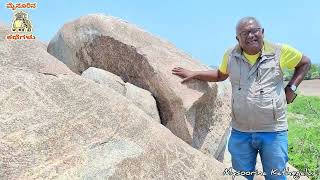
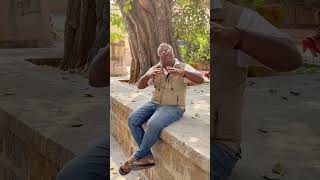
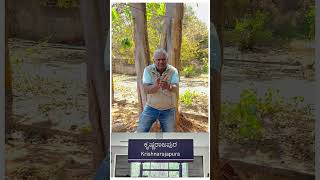
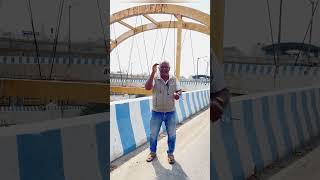
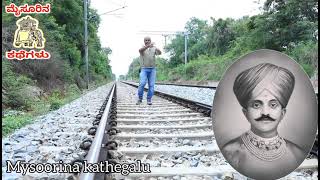
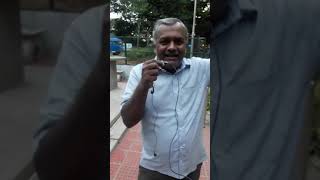
Dharmendra Kumar Arenahalli, known as Dharmi Sir, tells Karnataka in Kannada, place by place. 852 stories from his channel Mysoorina Kathegalu: temples, forts, palaces, streets, and the people tied to them.
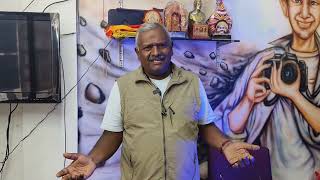
ಧರ್ಮೇಂದ್ರ ಕುಮಾರ್ ಅರೇನಹಳ್ಳಿDharmendra Kumar ArenahalliPopularly known as Dharmi Sir, Dharmi, and Dharmanna. A civil engineer, social historian, and digital storyteller from Karnataka.
Sultan Road in Chamarajanagar, a Tipu-period road still in use.
EP10 | ಚಾಮರಾಜನಗರ | ಸುಲ್ತಾನ್ ರೋಡ್ | ಇಂದಿಗೂ ಬಳಸುವ ಟೀಪು ಸುಲ್ತಾನ್ ರಸ್ತೆ | ರೋಮನ್ನರೂ ಬಂದು ಓಡಾಡಿದ್ದ ರಸ್ತೆ..
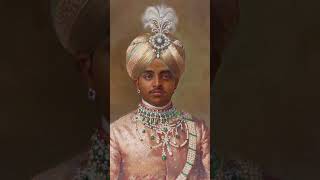
Tipu Sultan (1750-1799) was the ruler of the Kingdom of Mysore in southern India. He's a figure of significant historical debate and discussion. Here's an overview:
- *Early Life and Reign*: Tipu Sultan was the son of Hyder Ali, a powerful military leader who took control of Mysore. Tipu succeeded his father in 1782 and ruled until his death in 1799.
- *Military Campaigns*: Tipu Sultan was known for his military prowess and modernization of Mysore's army. He fought several wars against the British East India Company, notably the Anglo-Mysore Wars.
- *Conflict with British*: Tipu Sultan's resistance against British expansion in southern India led to conflicts, particularly the Fourth Anglo-Mysore War, where he was killed defending his capital, Srirangapatna, in 1799.
- *Legacy*: Tipu Sultan's legacy is complex and debated. Some view him as a freedom fighter resisting British colonialism; others criticize his policies and methods. He's remembered for his administrative reforms, promotion of trade, and patronage of arts in Mysore.
- *Historical Sites*: Places like Tipu Sultan's Palace in Bangalore and the fort in Srirangapatna are associated with his history.
Tipu Sultan's life and rule are subjects of ongoing historical study and discussion, reflecting the complexities of India's colonial past.
Do you want me to tell you more about Tipu Sultan or is there something specific you'd like to know?
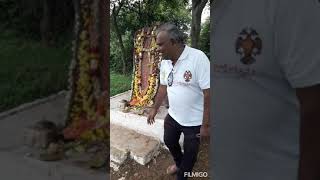
A British boundary stone between the Mysore and Madras provinces in Chamarajanagar.
EP01 | ಚಾಮರಾಜನಗರ | ಮೈಸೂರು ಮದರಾಸು ಪ್ರಾಂತ್ಯದ ಬ್ರಿಟಿಷರು ನೆಟ್ಟ ಗಡಿ ಕಲ್ಲು ನೋಡಿದೀರಾ...
Chamarajanagar is a city and district in the state of Karnataka, India. Here are some key facts about Chamarajanagar:
- *Location*: Chamarajanagar is situated in the southern part of Karnataka, bordering the states of Tamil Nadu and Kerala.
- *District Headquarters*: The city of Chamarajanagar serves as the administrative headquarters of the district.
- *History*: The district has a rich history, with evidence of human habitation dating back to the Neolithic period. It was also part of the ancient Hoysala Empire.
- *Economy*: The economy of Chamarajanagar is primarily driven by agriculture, with major crops including sugarcane, paddy, and ragi. The district is also known for its sericulture industry.
- *Tourist Attractions*: Chamarajanagar is home to several tourist attractions, including the B R Hills, Mekedatu, and the Cauvery Wildlife Sanctuary.
- *Cultural Significance*: The district has a diverse cultural heritage, with influences from various dynasties and traditions.
Chamarajanagar is a district with a rich history, cultural significance, and natural beauty, making it a fascinating place to explore!
How much the Mysore maharaja gave to build a cinema, and what Cheluvachar brought with that money.
EP 03 | ಸಿನೆಮಾ ಟಾಕೀಸು ಕಟ್ಟಲು ಮಹಾರಾಜರು ಕೊಟ್ಟ ಹಣ ಎಷ್ಟು ??? ಆ ಹಣದಿಂದ ಚೆಲುವಾಚಾರ್ ಎನ್ ತಂದ್ರು ಗೊತ್ತೇನು...
Kannada cinema, also known as Sandalwood, has a rich history dating back to the 1930s. Here's a brief overview:
- *Early Beginnings*: The first Kannada talkie, "Sati Sulochana," was released in 1934, directed by Y. V. Rao. This marked the beginning of Kannada cinema.
- *Growth and Development*: The 1950s and 1960s saw the rise of legendary actors and filmmakers who contributed to the growth of Kannada cinema. Notable films from this era include "Mahakavi Kalidasa" (1955) and "Bhakta Kanakadasa" (1960).
- *Golden Era*: The 1970s and 1980s are considered the golden era of Kannada cinema, with films like "Kanchana Ganga" (1984) and "Anuraga Aralithu" (1986) gaining popularity.
- *Modern Era*: Today, Kannada cinema has gained recognition and popularity, with films like "KGF" (2018) and "Lucifer" (2019) breaking box office records. The industry has also seen a rise in collaborations and crossovers, shaping the future of Indian cinema.
Some notable figures in Kannada cinema include:
- *Dr. Rajkumar*: A legendary actor and singer who dominated Kannada cinema for decades.
- *Puttanna Kanagal*: A renowned director known for his impactful films.
- *Girish Kasaravalli*: A critically acclaimed director who has won numerous awards for his films.
Kannada cinema has come a long way, showcasing the region's culture, language, and talent to audiences worldwide.
Which cinema hall in Mysuru was built for the maharajas.
EP01 | ಮೈಸೂರು ಮಹಾರಾಜರಿಗಾಗಿಯೇ ಕಟ್ಟಿದ ಸಿನೆಮಾ ಟಾಕೀಸು ಯಾವುದು ಗೊತ್ತಾ...
Kannada cinema, also known as Sandalwood, has a rich history dating back to the 1930s. Here's a brief overview:
- *Early Beginnings*: The first Kannada talkie, "Sati Sulochana," was released in 1934, directed by Y. V. Rao. This marked the beginning of Kannada cinema.
- *Growth and Development*: The 1950s and 1960s saw the rise of legendary actors and filmmakers who contributed to the growth of Kannada cinema. Notable films from this era include "Mahakavi Kalidasa" (1955) and "Bhakta Kanakadasa" (1960).
- *Golden Era*: The 1970s and 1980s are considered the golden era of Kannada cinema, with films like "Kanchana Ganga" (1984) and "Anuraga Aralithu" (1986) gaining popularity.
- *Modern Era*: Today, Kannada cinema has gained recognition and popularity, with films like "KGF" (2018) and "Lucifer" (2019) breaking box office records. The industry has also seen a rise in collaborations and crossovers, shaping the future of Indian cinema.
Some notable figures in Kannada cinema include:
- *Dr. Rajkumar*: A legendary actor and singer who dominated Kannada cinema for decades.
- *Puttanna Kanagal*: A renowned director known for his impactful films.
- *Girish Kasaravalli*: A critically acclaimed director who has won numerous awards for his films.
Kannada cinema has come a long way, showcasing the region's culture, language, and talent to audiences worldwide.
An urgent note on the two-language formula, with no place named.
ದ್ವಿಭಾಷಾ ಸೂತ್ರ... ಈ ಕ್ಷಣದ ತುರ್ತು...
India doesn't have a strict two-language policy nationwide, but some states like Tamil Nadu and Puducherry follow a two-language policy in education, where students typically learn their regional language and English.
National Language Policy Overview
India's language policy is complex, with multiple languages recognized and used in different contexts. The Constitution of India recognizes 22 scheduled languages, and English and Hindi are used for official purposes at the national level.
Three-Language Formula
Most states in India follow a three-language formula, which recommends teaching three languages:
- *Regional Language*: The primary language spoken in the state
- *Hindi*: In non-Hindi speaking states
- *English*: Widely used for education, business, and government purposes
- *Optional Language*: Some schools may offer additional languages, such as Sanskrit or other regional languages
Challenges and Implications
The implementation of language policies varies across states, leading to disparities in education and employment opportunities. Some of the challenges include ¹:
- *Language Barriers*: Students from vernacular medium schools may face difficulties transitioning to English or other languages
- *Limited Opportunities*: Individuals studying in vernacular mediums may have limited job opportunities compared to those who studied in English medium schools
- *Cultural Significance*: Language policies can impact the preservation and promotion of regional languages and cultures
Key Takeaways
- India's language policy is shaped by its linguistic diversity, with multiple languages recognized and used in different contexts
- The three-language formula aims to promote multilingualism and national integration
- Effective implementation of language policies is crucial to address the challenges and disparities in education and employment opportunities.
Here are some keywords related to India's language policy:
#Three-language formula
#Language policy
#Multilingualism
#Linguistic diversity
#Regional languages
#Hindi
#English
#Language education
#Language preservation
#National integration
A comment on Kannada self-respect and Tamil supremacy, with no place named.
ಕನ್ನಡಿಗರ ಆತ್ಮಾಭಿಮಾನ ಮತ್ತು ತಮಿಳು ಸುಪ್ರಿಮೆಸಿ...
Kannada is a Dravidian language spoken predominantly in the Indian state of Karnataka. It has a rich history and literature dating back to the 5th century CE.
Early Developments
- *Old Kannada*: The earliest known inscriptions in Kannada date back to the 5th century CE, during the Kadamba dynasty.
- *Influence of other languages*: Kannada has been influenced by various languages, including Sanskrit, Prakrit, and other Dravidian languages.
Literary History
- *Kavirajamarga*: The earliest known literary work in Kannada is the Kavirajamarga, a poetic treatise written in the 9th century CE.
- *Pampa*: The famous poet Pampa is considered one of the greatest writers in Kannada literature, known for his works like "Vikramarjuna Vijaya" and "Adipurana".
Evolution and Modernization
- *Middle Kannada*: The language evolved over time, with Middle Kannada emerging in the 14th century CE.
- *Modern Kannada*: Modern Kannada has been influenced by various factors, including technological advancements, cultural exchange, and linguistic borrowings.
Significance and Cultural Importance
- *Cultural identity*: Kannada is an essential part of Karnataka's cultural identity and heritage.
- *Literary contributions*: Kannada literature has made significant contributions to Indian literature, with numerous poets, writers, and thinkers.
Current Status
- *Official language*: Kannada is the official language of Karnataka and is widely spoken by the people of the state.
- *Language preservation*: Efforts are being made to preserve and promote the language, including language education, literary festivals, and cultural events.
Here are some key words related to the Kannada language:
#Kannada
#Dravidian
#Karnataka
#Literature
#Inscriptions
#Kadamba dynasty
#Sanskrit
#Prakrit
#Kavirajamarga
#Pampa
The historic six-acre dhobighat in Malleshwaram, Bengaluru.
ಎರಡು ಲಕ್ಷ ಬಟ್ಟೆ ಒಗೆಯುವ ಬೆಂಗಳೂರಿನ ಮಲ್ಲೇಶ್ವರದ ಐತಿಹಾಸಿಕ ದೋಭೀಘಾಟ್ | ಆರು ಏಕರೆಗಳಷ್ಟು ಬೃಹತ್ತಾದ ಸ್ಥಳ...
Malleshwaram Dhobighat is a historic and iconic laundry hub in Bangalore, Karnataka. Located in the heart of the city, it's a bustling area where dhobis (laundry workers) have been washing, drying, and ironing clothes for decades.
History and Significance
- *Colonial Era*: The Dhobighat has its roots in the colonial era, when Bangalore was a major military cantonment. The British set up the laundry facility to cater to the needs of the army.
- *Traditional Laundry Practices*: The dhobis at Malleshwaram have been using traditional methods to wash and clean clothes, including manual washing, drying, and ironing.
- *Community*: The Dhobighat is not just a place of work but also a community hub for the dhobis, who have formed a tight-knit community over the years.
Current Status
- *Modernization*: While some modern laundry facilities have emerged in the city, Malleshwaram Dhobighat remains a popular destination for those seeking traditional laundry services.
- *Challenges*: The dhobis face challenges such as water scarcity, pollution, and competition from modern laundry services.
Cultural Significance
- *Heritage*: The Dhobighat is an important part of Bangalore's cultural heritage, reflecting the city's history and traditions.
- *Iconic Landmark*: The area has become an iconic landmark in Bangalore, symbolizing the city's resilience and adaptability.
Malleshwaram Dhobighat is a unique and fascinating aspect of Bangalore's culture and history.
#Malleshwaram
#Dhobighat
#Bangalore
#Laundry
#Dhobi
#Traditional
#Colonial era
#Heritage
#Cultural significance
#Karnataka
A Korati episode on who shanbhogues were and how land revenue was collected.
EP 04 | ಕೊರಟಿ | ಶಾನುಭೋಗರು ಅಂದ್ರೆ ಯಾರು | ಕಂದಾಯ ವಸೂಲಿ ಅಂದ್ರೆ ಏನು |
Revenue collection is a part of state's growth in olden times. here you will see the pattern of collecting the taxes in those days. interesting watch.
#history #revenue #tax #revenues #taxes #taxation #revenuegeneration #revenuedepartment
The historic town of Maski in Raichur district, known for an Ashoka inscription.
ರೋಚಕ ಇತಿಹಾಸ ಪತ್ತೆಯಾದ ರಾಯಚೂರು ಜಿಲ್ಲೆಯ ಮಸ್ಕಿ ಪಟ್ಟಣ... Maski a Historic Town
ಮಸ್ಕಿ, ರಾಯಚೂರು ಜಿಲ್ಲೆಯ ಒಂದು ಐತಿಹಾಸಿಕ ಪಟ್ಟಣ ಮತ್ತು ನೂತನ ತಾಲೂಕು ಕೇಂದ್ರ. ಮಸ್ಕಿ ಪಟ್ಟಣದಲ್ಲಿ ದೊರೆತ ಅಶೋಕನ ಶಿಲಾಶಾಸನ, ನಗರಕ್ಕೆ ಐತಿಹಾಸಿಕ ಮಹತ್ವ ತಂದಿದೆ. ಈ ಪಟ್ಟಣವು ಮಸ್ಕಿ ನಾಲಾ ಎಂಬ ನದಿಯ ದಂಡೆ ಮೇಲೆ ಕಂಡುಬರುತ್ತದೆ.ಈ ಊರು ಇತಿಹಾಸ ಪೂರ್ವಕಾಲದ ನಿವೇಶನವು ಆಗಿದ್ದು ಶಾಸನಗಳಲ್ಲಿ ಮೊಸಂಗಿ ಎಂದು ಪರಿಚಿತವಾಗಿದೆ.ಯಾದವರ ಒಂದು ಶಾಸನವು ಈ ಪಟ್ಟಣವನ್ನು ರಾಜಧಾನಿ ಪ್ರಿಯ ಮೊಸಂಗಿ ಎಂದಿದೆ. ವಿಜಯನಗರ ಕಾಲದಲ್ಲಿ ಇದು ಮೊಸುಗೆ ಎಂದು ಪರಿಚಿತವಾಗಿದೆ.
Maski, a historic town and new taluk headquarters of Raichur district. Asoka's epitaph found in the town of Muski has given historical significance to the city. This town is located on the banks of the river Maski Nala. This town is a prehistoric site known as Mosangi in inscriptions. An inscription of the Yadavas mentions this town as the capital Priya Mosangi. It was known as curd during Vijayanagara period.
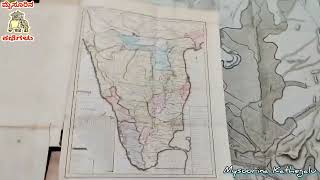
A Bangalore History overview from the Ganga, Chola and Hoysala period through Kempegowda's fort to Hyder Ali, Tipu Sultan, and the British.
Bangalore History
ಕ್ರಿಸ್ತ ಶಕ 1537 ರ ತನಕ ಬೆಂಗಳೂರು ದಕ್ಷಿಣ ಭಾರತದ ಸಂಸ್ಥಾನಗಳಾದ ಗಂಗ, ಚೋಳ ಮತ್ತು ಹೊಯ್ಸಳರ ಆಳ್ವಿಕೆಗೆ ಒಳಪಟ್ಟಿದೆ. ನಂತರ ವಿಜಯನಗರ ಸಾಮ್ರಾಜ್ಯದ ನಾಡ ಪ್ರಭು ಕೆಂಪೇಗೌಡರು ಬೆಂಗಳೂರಿನಲ್ಲಿ ಮಣ್ಣಿನ ಕೋಟೆ ಕಟ್ಟಿ ಆಧುನಿಕ ಬೆಂಗಳೂರಿನ ಉದಯಕ್ಕೆ ಕಾರಣಕರ್ತರಾದರು. ಮರಾಠರು ಮತ್ತು ಮುಘಲರ ಅಲ್ಪಾವಧಿ ಆಡಳಿತಕ್ಕೆ ಒಳಪಟ್ಟಿದ್ದ ಬೆಂಗಳೂರು, ಮೈಸೂರು ರಾಜರ ಆಧಿಪತ್ಯದಲ್ಲೇ ಉಳಿದಿತ್ತು.ನಂತರ ಹೈದರ್ ಅಲಿ ಮತ್ತು ಟಿಪ್ಪು ಸುಲ್ತಾನರ ಆಡಳಿತಕ್ಕೆ ಒಳಪಟ್ಟ ಬೆಂಗಳೂರು, ನಾಲ್ಕನೇ ಆಂಗ್ಲೋ ಮೈಸೂರು ಯುದ್ಧ (1799) ದಲ್ಲಿ ಬ್ರಿಟೀಷರ ಪಾಲಾಯಿತು. ತದನಂತರ ಬ್ರಿಟೀಷರು ಮೈಸೂರು ಸಂಸ್ಥಾನವನ್ನು ತಮ್ಮ ಆಡಳಿತದ ಒಂದು ರಾಜ್ಯವನ್ನಾಗಿಸಿ, ಬೆಂಗಳೂರನ್ನು ಅದರ ರಾಜಧಾನಿಯಾಗಿ ಘೋಷಿಸಿ, ಮೈಸೂರು ಒಡೆಯರ ಆಡಳಿತಕ್ಕೊಪ್ಪಿಸಿದರು.ಬೆಂಗಳೂರು 1537 ರಲ್ಲಿ ಕೆಂಪೇಗೌಡರ (1510 - 1570) ರಾಜಧಾನಿಯಾಗಿತ್ತು.ಈ ನಗರವನ್ನು ಕೆಂಪೇಗೌಡರು ನಿರ್ಮಿಸಿದರು. ಕೆಂಪೇಗೌಡ ಈ ನಗರವನ್ನು "ಗಂಡು ಭೂಮಿ" ಮತ್ತು "ನಾಯಕರ ರಾಜ್ಯ" ಎಂದು ಹೇಳುತಿದ್ದರು. 18/19 ಶತಮಾನದಲ್ಲಿ ಬೆಂಗಳೂರು ಒಂದು ನಗರವಾಗಿ ಬೆಳೆಯಿತು. ಆಗ ಪ್ರಮುಖವಾಗಿ ನಗರದಲ್ಲಿ ಎರಡು ಮುಖ್ಯ ರಸ್ತೆಗಳಿದ್ದವು. ಅವು "ಚಿಕ್ಕಪೇಟೆ" ಮತ್ತು "ದೊಡ್ಡಪೇಟೆ" ರಸ್ತೆಗಳು. ಸ್ವಾತಂತ್ರ್ಯಾನಂತರ ಬೆಂಗಳೂರು ಬಹು ದೊಡ್ಡ ಕೈಗಾರಿಕಾ ಉತ್ಪಾದನಾ ಕ್ಷೇತ್ರಗಳಿಗೆ ಮನೆಯಾಯಿತು. ಶಾಂತಿ ಸಮೃದ್ಧಿಯೂ, ಪರಿಸರ ಸಮೃದ್ಧಿಯೂ ಜನರನ್ನು ಈ ಊರಿನೆಡೆಗೆ ಆಕರ್ಷಿಸಿತು. ಹೆಚ್ ಎ ಎಲ್, ಬಿ ಇ ಎಲ್, ಐ ಟಿ ಐ, ಇಸ್ರೋ ನಂತಹ ಬಹು ದೊಡ್ಡ ಉತ್ಪಾದನಾ ಘಟಕಗಳಿಗೆ ಮನೆಯಾಯಿತು.
Until 1537 AD, Bangalore was under the rule of the Ganga, Chola and Hoysala kingdoms of South India. Later Nada Prabhu Kempegowda of Vijayanagar Empire built a mud fort in Bangalore and became the cause of the rise of modern Bangalore. Bengaluru, which was briefly ruled by the Marathas and Mughals, remained under the rule of the Mysore kings.Bengaluru, then ruled by Hyder Ali and Tipu Sultan, fell to the British in the Fourth Anglo-Mysore War (1799). Then the British made the Mysore state a part of their administration, declared Bangalore as its capital, and placed it under the rule of the Mysore lords.Bangalore was the capital of the Kempegowdas (1510 - 1570) in 1537. The city was built by the Kempegowdas. Kempegowda referred to the city as the "Land of Men" and the "Kingdom of Leaders".Bangalore grew into a city in the eighteenth/nineteenth century. There were two main roads in the city then. They are "Chikkapet" and "Doddpet" roads. After independence, Bangalore became home to many large industrial manufacturing sectors.The peace and prosperity of the environment attracted people to this town. It became home to many big manufacturing units like HAL, BEL, ITI, ISRO.
Court history · Civic life
Kempegowda, Hyder Ali, Tipu Sultan, Ganga, Chola, Hoysala
 Watch on YouTube ↗