 34 Watch on YouTube ↗
 Pete School, Chamarajanagar · Chamarajanagar
Chamarajanagar series · Episode 34
The century-old Pete School in Chamarajanagar town.
EP34 | ಚಾಮರಾಜನಗರ | ಪೇಟೆ ಸ್ಕೂಲು | ಶತಮಾನ ದಾಟಿದ ಹೆಮ್ಮೆಯ ಸ್ಕೂಲು...
Education
Dharmendra Kumar Arenahalli, known as Dharmi Sir, tells Karnataka in Kannada, place by place. 852 stories from his channel Mysoorina Kathegalu: temples, forts, palaces, streets, and the people tied to them.
@mysoorinakathegalu9509 on YouTube ↗ 34 Watch on YouTube ↗ EP34 | ಚಾಮರಾಜನಗರ | ಪೇಟೆ ಸ್ಕೂಲು | ಶತಮಾನ ದಾಟಿದ ಹೆಮ್ಮೆಯ ಸ್ಕೂಲು...
 32 Watch on YouTube ↗
 EP32 | ಚಾಮರಾಜನಗರ | 1869ರಲ್ಲೇ ಸ್ಥಾಪಿತವಾದ ಜಿಲ್ಲೆಯ ಮೊತ್ತ ಮೊದಲ ಶಾಲೆ, ಬೆರಟಹಳ್ಳಿ, ಗುಂಡ್ಲುಪೇಟೆ ತಾಲೂಕು...
 Watch on YouTube ↗
 ಮೈಸೂರಿನ ಶತಮಾನದ ಹಿಂದಿನ ಕುದುರೆ ಲಾಯ ಹೆಣ್ಣು ಮಕ್ಕಳ ಶಾಲೆಯಾಗಿ ಬದಲಾದ ಕಥೆ | 1904 | ಭಕ್ಷಿ ಬಸಪ್ಪಾಜಿ ಅರಸು |
Girl child education in Mysore province before independence had a unique blend of traditional and progressive elements. Key Aspects: - *Royal Patronage*: The Maharaja of Mysore and his queen actively promoted women's education, with the queen running the Maharani's Girls School in Mysore. This institution, along with other vernacular Kannada and Urdu girls' schools, provided education to young girls from different communities. - *Limited Opportunities*: Despite royal support, opportunities for women to study beyond primary school were limited. Only 1-2 women in every thousand made it to high school due to societal restrictions and family objections. - *Missionary Schools*: Protestant and Catholic missionary schools played a significant role in promoting women's education, especially in larger towns and cities. - *Curriculum Restrictions*: Local administrators initially insisted that girls be taught only in vernacular languages, restricting their access to English, science, and mathematics. However, the Maharaja's support helped defeat these proposals. - *Social Reform*: The royal family's efforts led to more families delaying the marriage of their daughters and encouraging education. Social reformers like Veeresalingam also advocated for female education and widow remarriage. Notable Institutions: - *Maharani's Girls School*: Run by the queen of Mysore, this school was a prominent institution for women's education. - *Vernacular Kannada and Urdu Girls' Schools*: These schools were established in villages across Mysore State to provide education to young girls from different communities ¹. Historical Context: - *Indian Education Commission of 1882*: Recommended starting primary schools for girls, establishing teacher-training institutions, and offering special scholarships and prizes for girls. - *Traditional Education*: Before the establishment of formal schools, privileged females were educated in their homes with an emphasis on fine arts ² ³.
 Watch on YouTube ↗
 ದ್ವಿಭಾಷಾ ಸೂತ್ರ... ಈ ಕ್ಷಣದ ತುರ್ತು...
India doesn't have a strict two-language policy nationwide, but some states like Tamil Nadu and Puducherry follow a two-language policy in education, where students typically learn their regional language and English. National Language Policy Overview India's language policy is complex, with multiple languages recognized and used in different contexts. The Constitution of India recognizes 22 scheduled languages, and English and Hindi are used for official purposes at the national level. Three-Language Formula Most states in India follow a three-language formula, which recommends teaching three languages: - *Regional Language*: The primary language spoken in the state - *Hindi*: In non-Hindi speaking states - *English*: Widely used for education, business, and government purposes - *Optional Language*: Some schools may offer additional languages, such as Sanskrit or other regional languages Challenges and Implications The implementation of language policies varies across states, leading to disparities in education and employment opportunities. Some of the challenges include ¹: - *Language Barriers*: Students from vernacular medium schools may face difficulties transitioning to English or other languages - *Limited Opportunities*: Individuals studying in vernacular mediums may have limited job opportunities compared to those who studied in English medium schools - *Cultural Significance*: Language policies can impact the preservation and promotion of regional languages and cultures Key Takeaways - India's language policy is shaped by its linguistic diversity, with multiple languages recognized and used in different contexts - The three-language formula aims to promote multilingualism and national integration - Effective implementation of language policies is crucial to address the challenges and disparities in education and employment opportunities. Here are some keywords related to India's language policy: #Three-language formula #Language policy #Multilingualism #Linguistic diversity #Regional languages #Hindi #English #Language education #Language preservation #National integration
 02 Watch on YouTube ↗
 EP02 ಸಾವಿರ ವರ್ಷ ಪುರಾತನ ವಿಶ್ವವಿದ್ಯಾಲಯದ ದುಸ್ಥಿತಿ ನೋಡಿ... ನಾಗಾವಿ, ಚಿತ್ತಾಪುರ ತಾಲೂಕ ಕಲಬುರಗಿ...
The historical university you're referring to is located in Nagavi, a village in the Kalaburagi district of Karnataka, India. However, it wasn't built in 1076 AD by King Vikramaditya VI. Instead, it dates back to the Rashtrakuta dynasty and gained prominence during the Kalyana Chalukya's rule. The university is associated with the Rameshwara temple at Nagavi, which features a unique architectural design with a single entrance, no windows, and a ceiling opening for ventilation and minimal light. *Key Features:* - *Ghatikasthana*: The ancient university was referred to as Ghatikasthana in Kannada, where students studied Vedas, Shastras, Grammar, Prabharika philosophy, and Kumarika philosophy. - *Inscription*: An inscription slab from 1058 AD provides valuable information about the university, including gifts and donations for 200 students and six teachers. - *Architecture*: The Rameshwara temple has 64 pillars, representing the 64 art forms taught in ancient India. It's worth noting that Vikramaditya VI was a king of the Western Chalukya Empire, but there's no direct connection established between him and the Nagavi university in the provided search results. The university's history and significance are tied to the broader cultural and educational landscape of ancient India. #Nagavi University #Ancient Education #Ghatikasthana #Rameshwara Temple #Kalyana Chalukya #Rashtrakuta Dynasty #Vedic Studies #Shastras #Ancient Architecture #Karnataka Heritage
 01 Watch on YouTube ↗
 EP01 ಸಾವಿರ ವರ್ಷ ಪುರಾತನ ಕರ್ನಾಟಕ ವಿಶ್ವವಿದ್ಯಾಲಯ... ನಾಗಾವಿ, ಚಿತ್ತಾಪುರ ತಾಲೂಕ ಕಲಬುರಗಿ...
The historical university you're referring to is located in Nagavi, a village in the Kalaburagi district of Karnataka, India. However, it wasn't built in 1076 AD by King Vikramaditya VI. Instead, it dates back to the Rashtrakuta dynasty and gained prominence during the Kalyana Chalukya's rule. The university is associated with the Rameshwara temple at Nagavi, which features a unique architectural design with a single entrance, no windows, and a ceiling opening for ventilation and minimal light. *Key Features:* - *Ghatikasthana*: The ancient university was referred to as Ghatikasthana in Kannada, where students studied Vedas, Shastras, Grammar, Prabharika philosophy, and Kumarika philosophy. - *Inscription*: An inscription slab from 1058 AD provides valuable information about the university, including gifts and donations for 200 students and six teachers. - *Architecture*: The Rameshwara temple has 64 pillars, representing the 64 art forms taught in ancient India. It's worth noting that Vikramaditya VI was a king of the Western Chalukya Empire, but there's no direct connection established between him and the Nagavi university in the provided search results. The university's history and significance are tied to the broader cultural and educational landscape of ancient India. #Nagavi University #Ancient Education #Ghatikasthana #Rameshwara Temple #Kalyana Chalukya #Rashtrakuta Dynasty #Vedic Studies #Shastras #Ancient Architecture #Karnataka Heritage
 Watch on YouTube ↗
 2nd PUC ಪಾಸ್ ಆದ್ಮೇಲೆ ಎಂಬಿಬಿಎಸ್ ಸೀಟು ಪಡೆಯೋದು ಹ್ಯಾಗೆ...
 Watch on YouTube ↗
 ಒಂದೂವರೆ ಸಾವಿರ ಕುರುಡು ಮಕ್ಕಳಿಗಾಗಿ ಪರೀಕ್ಷೆ ಬರೆದ ಧೀಮಂತ ಮಹಿಳೆ ಪುಷ್ಪಪ್ರಿಯಾ...
 Watch on YouTube ↗
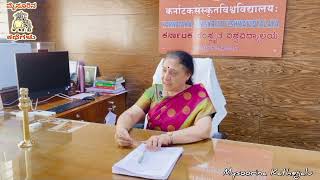
 ಭರತ ನಾಟ್ಯ & ಮೋಹಿನಿಯಾಟ್ಟಂ ಒಂದೇ ಕಡೆ ಕಲಿಸುವ ಶಾಲೆ ನೋಡಿ This school teaches Bharat Natya & Mohiniyattam
ಭರತ ನಾಟ್ಯ & ಮೋಹಿನಿಯಾಟ್ಟಂ ಒಂದೇ ಕಡೆ ಕಲಿಸುವ ಶಾಲೆ ನೋಡಿ This school teaches Bharat Natya & Mohiniyattam
 Watch on YouTube ↗
 ಭಾಷೆ ಅನ್ನೋದು ಎಷ್ಟು ಮುಖ್ಯ ಆಗುತ್ತೆ ಕಲಿಕೆಗೆ...
 Watch on YouTube ↗
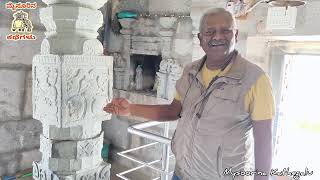
 ಮಹಾರಾಜಾ ಚಾಮರಾಜೇಂದ್ರ ಸಂಸ್ಕೃತ ಪಾಠಶಾಲೆ...
 Watch on YouTube ↗
 ಮಹಾರಾಜಾ ಚಾಮರಾಜೇಂದ್ರ ಒಡೆಯರ್ ಸಂಸ್ಕೃತ ಪಾಠಶಾಲೆ...
 Watch on YouTube ↗
 NCERT Logo ಕೊಟ್ಟಿದ್ದು ಮಸ್ಕಿಯ ದೇವಸ್ಥಾನ... ಗೊತ್ತಾ ನಿಮಗೆ
Maski is also the place on the Raichur Doab which was also under the hegemony of the imperial Chola empire and it was here that Rajendra Chola I defeated Jayasimha II, the Western Chalukya ruler in battle in 1019-1020 AD. ಮಾಸ್ಕಿಯು ರಾಯಚೂರು ದೋವಾಬ್ನಲ್ಲಿರುವ ಸ್ಥಳವಾಗಿದೆ, ಇದು ಚಕ್ರಾಧಿಪತ್ಯದ ಚೋಳ ಸಾಮ್ರಾಜ್ಯದ ಪ್ರಾಬಲ್ಯಕ್ಕೆ ಒಳಪಟ್ಟಿತ್ತು ಮತ್ತು ಇಲ್ಲಿಯೇ ರಾಜೇಂದ್ರ ಚೋಳ I 1019-1020 AD ನಲ್ಲಿ ಪಶ್ಚಿಮ ಚಾಲುಕ್ಯ ದೊರೆ ಜಯಸಿಂಹ II ಅನ್ನು ಸೋಲಿಸಿದನು. The National Council of Educational Research and Training (NCERT) is an autonomous organisation set up in 1961 by the Government of India to assist and advise the Central and State Governments on policies and programmes for qualitative improvement in school education. ನ್ಯಾಷನಲ್ ಕೌನ್ಸಿಲ್ ಆಫ್ ಎಜುಕೇಶನಲ್ ರಿಸರ್ಚ್ ಅಂಡ್ ಟ್ರೈನಿಂಗ್ (NCERT) 1961 ರಲ್ಲಿ ಭಾರತ ಸರ್ಕಾರದಿಂದ ಸ್ಥಾಪಿಸಲಾದ ಸ್ವಾಯತ್ತ ಸಂಸ್ಥೆಯಾಗಿದ್ದು, ಶಾಲಾ ಶಿಕ್ಷಣದಲ್ಲಿ ಗುಣಾತ್ಮಕ ಸುಧಾರಣೆಗಾಗಿ ನೀತಿಗಳು ಮತ್ತು ಕಾರ್ಯಕ್ರಮಗಳ ಕುರಿತು ಕೇಂದ್ರ ಮತ್ತು ರಾಜ್ಯ ಸರ್ಕಾರಗಳಿಗೆ ಸಹಾಯ ಮಾಡಲು ಮತ್ತು ಸಲಹೆ ನೀಡಲು.
 Watch on YouTube ↗
 ಯೋಗದ ಉಪಯೋಗ...
 02 Watch on YouTube ↗
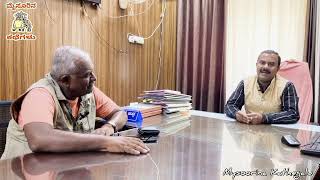
 ಶತಮಾನ ಕಂಡ ಸಂಸ್ಕೃತ ಪಾಠಶಾಲೆ... ಭಾಗ 2
@CHAMRAJPET 1868ರಲ್ಲಿ ಚಾಮ ರಾಜೇಂದ್ರ ಒಡೆಯರವರ ನೆನಪಿಗಾಗಿ ಬೆಂಗಳೂರಿನಲ್ಲಿ ಸ್ಥಾಪಿತವಾದ ಶ್ರೀಚಾಮರಾಜೇಂದ್ರ ಸಂಸ್ಕøತ ಕಾಲೇಜೂ ಅನೇಕ ವಿದ್ವನ್ಮಣಿಗಳಿಗೆ ಶಿಕ್ಷಣವಿತ್ತ ಕೀರ್ತಿ ಪಡೆದಿದೆ. ಬೆಂಗಳೂರು ಕೋಟೆಯ ಮದ್ದಿನ ಮನೆಯಲ್ಲಿ ಆರಂಭವಾದ ಈ ಶಾಲೆಯಲ್ಲಿ ವೇದ, ಆಗಮ, ವೇದಾಂತ ವಿಭಾಗಗಳೂ ತರ್ಕ, ವ್ಯಾಕರಣ ಮತ್ತು ಸಾಹಿತ್ಯಶಾಸ್ತ್ರ ವಿಭಾಗಗಳೂ ಇದ್ದವು. ಅನಂತರ ಈ ಶಾಲೆಯನ್ನು ಟಿಪ್ಪುಸುಲ್ತಾನ್ ಅರಮನೆಗೆ ವರ್ಗಾಯಿಸಲಾಯಿತು. 1940ರಲ್ಲಿ ಚಾಮರಾಜಪೇಟೆಯ ಇಂದಿನ ಕಟ್ಟಡಕ್ಕೆ ವರ್ಗಾಯಿಸಲಾಯಿತು. ಇದು 1928ರ ತರುವಾಯ ಸಾರ್ವಜನಿಕ ವಾಯಿತು. Established in Bangalore in 1868 in the memory of Chama Rajendra Wodeya, Srichamarajendra Sanskrit College is credited with educating many scholars. Started in Maddina's house in Bangalore Fort, this school had departments of Veda, Agama, Vedanta, Logic, Grammar and Literature. Later this school was transferred to Tippu Sultan's palace. In 1940, it was shifted to the present building in Chamarajpet. It became public after 1928.
 Watch on YouTube ↗
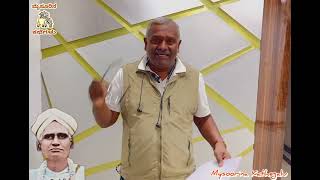
 ಶತಮಾನೋತ್ಸವ ಸಂಭ್ರಮದಲ್ಲಿ ಚಾಮರಾಜಪೇಟೆಯ ಮಾಹಾರಾಜಾ ಸಂಸ್ಕೃತ ಪಾಠಶಾಲೆ...Another School Established by Maharaja
ಬೆಂಗಳೂರಿನಲ್ಲಿ ಮಹಾರಾಜರು ಸ್ಥಾಪಿಸಿದ ಮತ್ತೊಂದು ಸಂಸ್ಕೃತ ಪಾಠಶಾಲೆ... Another Sanskrit School Established by Maharaja... in Bangalore ಶತಮಾನೋತ್ಸವದ ಸಂಭ್ರಮದಲ್ಲಿ ಚಾಮರಾಜಪೇಟೆಯ ಮಹಾರಾಜಾ ಸಂಸ್ಕೃತ ಪಾಠಶಾಲೆ... Maharaja Sanskrit Pathshala, Chamarajpet in centenary celebrations...
 Watch on YouTube ↗
 ತಳ ಸಮುದಾಯದ ವಿದ್ಯಾರ್ಥಿಗಳಿಗೆ ಪಾಠ ಮಾಡಿದ ಮೊದಲ ಮೇಷ್ಟ್ರು...
 Watch on YouTube ↗
 ಕೆಂಗಲ್ ಹನುಮಂತಯ್ಯನವರು ಓದಿದ್ದೂ ಕೆಂಗೇರಿನಲ್ಲೇ ಗೊತ್ತೇನು...
 Watch on YouTube ↗
 ಸರ್ವೇ ಕಲಿಸಿದ ಬ್ರಿಟಿಷ್ ಅಧಿಕಾರಿ...
 Watch on YouTube ↗
 ಅತ್ಯಮೂಲ್ಯ ತಾಳೆಗರಿಗಳ ಸಂರಕ್ಷಣೆ ಹೇಗೆ... ಪ್ರಾಚ್ಯವಿದ್ಯಾ ಸಂಶೋಧನಾಲಯ, ಮೈಸೂರು...
 Watch on YouTube ↗
 ಕ್ರಾಫರ್ಡ್ ಹಾಲ್... ಮೈಸೂರಿನ ಸರಸ್ವತೀ ನಿಲಯ...
 02 Watch on YouTube ↗
 ಮೊದ್ಲೆಲ್ಲ ದೇವಸ್ಥಾನಗಳೇ ಇರ್ಲಿಲ್ಲ... ಭಾಗ ಎರಡು ಮಹಾರಾಜಾ ಸಂಸ್ಕೃತ ಪಾಠಶಾಲೆ...
 Watch on YouTube ↗
 ಮಹಾರಾಜಾ ಸಂಸ್ಕೃತ ಪಾಠಶಾಲೆ... ಮೈಸೂರಿನ ನಿಧಿ
 14 Watch on YouTube ↗
 EP-14ಕೊಂಗಾಡಿಯಪ್ಪ... ದೊಡ್ಡಬಳ್ಳಾಪುರದ ಪ್ರಾತಃಸ್ಮರಣೀಯ ಮಹಾನುಭಾವ ...
 Watch on YouTube ↗
 ಕನ್ನಡದ ಮೊತ್ತ ಮೊದಲ ಪ್ರಾಧ್ಯಾಪಕ... ತಳುಕಿನ ವೆಂಕಣ್ಣಯ್ಯ...
ಕುವೆಂಪುರಂತಹ ಮಹಾನ್ ಚೇತನವನ್ನು ತಿದ್ದಿ ತೀಡಿ ಬೆಳೆಸಿದ ಪ್ರಾತಃ ಸ್ಮರಣೀಯ... ಎಂದೆಂದಿಗೂ ಮರೆಯಲೇ ಬಾರದ ಕನ್ನಡಿಗ...
 Watch on YouTube ↗
 Yoga - Popularized worldwide a century ago by our very own Maharaja of Mysuru
Rajarshi Nalwadi Krishnaraja Wodeyar
 Watch on YouTube ↗
 First Engineering institute of Karnataka
 Watch on YouTube ↗
 First Library of Bangalore
 Watch on YouTube ↗
 History of The first ever school of Karnataka
 Watch on YouTube ↗
 Bangalore History
Kids first rhyme in kannada
 Watch on YouTube ↗
 Bangalore History
First Women school
 Watch on YouTube ↗
 Lord Mecaule...
 Watch on YouTube ↗
 Tata Institute Bangalore History