Dharmendra Kumar Arenahalli, known as Dharmi Sir, tells Karnataka in Kannada, place by place. 852 stories from his channel Mysoorina Kathegalu: temples, forts, palaces, streets, and the people tied to them.
ಧರ್ಮೇಂದ್ರ ಕುಮಾರ್ ಅರೇನಹಳ್ಳಿDharmendra Kumar ArenahalliPopularly known as Dharmi Sir, Dharmi, and Dharmanna. A civil engineer, social historian, and digital storyteller from Karnataka.
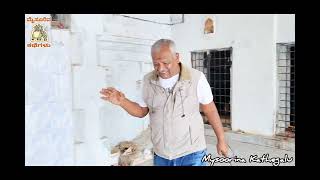
Kondajji in Hassan, remembered as the place of Vishnu's Mohini form and the slaying of Bhasmasura.
ಮಹಾವಿಷ್ಣು ಮೋಹಿನಿ ಅವತಾರ ಎತ್ತಿ ಭಸ್ಮಾಸುರ ಸಂಹಾರ ಮಾಡಿದ್ದು ಇಲ್ಲೇ... ಕೊಂಡಜ್ಜಿ, ಹಾಸನ |Hassan| Kondajji|
Audio Copyrights:
Music provided by no copyright - audio world
https://youtu.be/Yj7gkX_qKXc?si=j2iOU4wiebVTOfxY
Title: "indian traditional background no copyright audio"
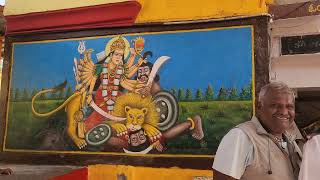
A Mahakali image on KT Street in Mysuru, said to have been granted by Ranadheera Kanteerava.
400 ವರ್ಷ ಪುರಾತನ ರಣಧೀರ ಕಂಠೀರವ ಪ್ರಭುಗಳು ದಯಪಾಲಿಸಿದ ಇಂದಿಗೂ ಪೂಜಿಸುತ್ತಿರುವ ಮಹಾಕಾಳಿ.. ಕೆ ಟಿ ಸ್ಟ್ರೀಟ್ ಮೈಸೂರು
Mahakali is a powerful and revered Hindu goddess associated with time, change, destruction, and transformation. She's a manifestation of the goddess Parvati, embodying the divine feminine energy and the cyclical nature of existence.
*Key Aspects of Mahakali:*
- *Goddess of Time and Change*: Mahakali represents the ultimate reality of time, governing the universe's cycles of creation, preservation, and destruction.
- *Destroyer of Evil*: She's known for vanquishing demons and evil forces, maintaining cosmic order and balance in the universe.
- *Fierce yet Compassionate*: Mahakali's fierce appearance belies her deep compassion and commitment to protecting her devotees and guiding them towards spiritual liberation.
- *Symbolism*: Her iconography includes dark skin, multiple arms, and weapons, signifying the destruction of evil and ignorance.
- *Worship and Significance*: Mahakali's worship fosters spiritual liberation, fearlessness, and the dissolution of ego and attachments. Her devotees seek her blessings for strength and courage during times of crisis or danger ¹ ².
*Mahakali in Different Traditions:*
- *Hinduism*: She's considered a primary deity in Shaktism, representing the ultimate power of the divine feminine.
- *Tantric Traditions*: Mahakali is revered as the ultimate power (Shakti) and worshipped through complex rituals and meditations.
- *Jainism and Buddhism*: She's associated with time, death, and destruction, symbolizing transformation and the cyclical nature of existence ³ ⁴.
*Festivals and Worship:*
- *Kali Puja*: A significant festival dedicated to Mahakali, celebrated primarily in West Bengal, Odisha, and Assam.
- *Offerings*: Devotees offer flowers, incense, and prayers to seek her protection and blessings ¹.
The shaktipeeth where Matti Thimmanna Nayaka was crowned, in the Chitradurga nayaka story.
EP02 | ಮತ್ತಿ ತಿಮ್ಮಣ್ಣ ನಾಯಕರು ಪಟ್ಟಾಭಿಷೇಕ ಮಾಡಿಸಿಕೊಂಡ ಆ ಶಕ್ತಿ ಪೀಠ ಎಲ್ಲಿದೆ ಗೊತ್ತೇನು...
The Nayakas of Chitradurga were a dynasty that ruled the region of Chitradurga in Karnataka, India, from the 15th to the 18th century. Here's a brief overview [2][1]:
- *Founding*: The Nayakas were originally feudatories of the Vijayanagara Empire. They were appointed as governors of Chitradurga and later declared independence in 1565.
- *Notable Rulers*: Some notable rulers of the Nayakas of Chitradurga include:
- *Timmana Nayaka*: A chieftain under the Vijayanagar Empire, appointed as governor of Chitradurga for his excellent military services.
- *Madakari Nayaka V*: The last ruler of the Nayakas of Chitradurga, who utilized the fort effectively for defense during three battles against Hyder Ali before being defeated in 1779.
- *Military Prowess*: The Nayakas were known for their military prowess and defensive strategies, particularly in the fort of Chitradurga.
- *Cultural Contributions*: The Nayakas patronized art, literature, and architecture, contributing to the cultural heritage of the region.
- *Legacy*: The Nayakas of Chitradurga played a significant role in the history of Karnataka, resisting the invasions of Hyder Ali and Tipu Sultan. Their legacy continues to be celebrated in the region.
The Nayakas of Chitradurga were a prominent dynasty that left a lasting impact on the history and culture of Karnataka.
The Ellamma temple at Nagavi in Chittapur taluk, Kalaburagi, built by the Kalyana Chalukyas.
EP03 ಕಲ್ಯಾಣ ಚಾಲುಕ್ಯರು ನಿರ್ಮಿಸಿದ ಮತ್ತೊಂದು ಅನೂಹ್ಯ ದೇಗುಲ... ತಾಯಿ ಎಲ್ಲಮ್ಮನ ಗುಡಿ, ನಾಗಾವಿ, ಚಿತ್ತಾಪುರ
The historical university you're referring to is located in Nagavi, a village in the Kalaburagi district of Karnataka, India. However, it wasn't built in 1076 AD by King Vikramaditya VI. Instead, it dates back to the Rashtrakuta dynasty and gained prominence during the Kalyana Chalukya's rule. The university is associated with the Rameshwara temple at Nagavi, which features a unique architectural design with a single entrance, no windows, and a ceiling opening for ventilation and minimal light.
*Key Features:*
- *Ghatikasthana*: The ancient university was referred to as Ghatikasthana in Kannada, where students studied Vedas, Shastras, Grammar, Prabharika philosophy, and Kumarika philosophy.
- *Inscription*: An inscription slab from 1058 AD provides valuable information about the university, including gifts and donations for 200 students and six teachers.
- *Architecture*: The Rameshwara temple has 64 pillars, representing the 64 art forms taught in ancient India.
It's worth noting that Vikramaditya VI was a king of the Western Chalukya Empire, but there's no direct connection established between him and the Nagavi university in the provided search results. The university's history and significance are tied to the broader cultural and educational landscape of ancient India.
#Nagavi University
#Ancient Education
#Ghatikasthana
#Rameshwara Temple
#Kalyana Chalukya
#Rashtrakuta Dynasty
#Vedic Studies
#Shastras
#Ancient Architecture
#Karnataka Heritage
The Hoysala origin story of Sala killing the tiger at the Vasantika shrine in Sosevur, with Talakad named in the same account.
ಹೊಯ್ಸಳ ಹುಲಿಯನ್ನು ಕೊಂದಿದ್ದು ಹೀಗೆ... ನೋಡಿ
ಐತಿಹ್ಯದ ಪ್ರಕಾರ ಜೈನ ಗುರು ಸುದತ್ತರು ಇದ್ದ, ಸೊಸೆವೂರಿನಲ್ಲಿರುವ ವಾಸಂತಿಕಾ ದೇವಿಯ ಮಂದಿರದಲ್ಲಿ ಹುಲಿಯು ಬರಲು, ಅದನ್ನು ಹೊಡೆದುರುಳಿಸಲು ತಮ್ಮ ಶಿಷ್ಯನಾದ ಸಳನಿಗೆ "ಹೊಯ್ ಸಳ" ಎಂದು ಆಙ್ಞಾಪಿಸಿದರು. ಇದು ಹೊಯ್ಸಳ ಶಬ್ದದ ಮೂಲ ಎನ್ನಲಾಗುತ್ತದೆ. ೧೧೧೭ರ ವಿಷ್ಣುವರ್ಧನನ ಶಾಸನದಲ್ಲಿ ಈ ಕಥೆ ಮೊದಲು ಕಾಣಬರುತ್ತದೆ. ಆದರೆ ಇದರ ಸತ್ಯಾಸತ್ಯತೆಯನ್ನು ಅನುಮಾನಾಸ್ಪದವಾಗಿ ಕಾಣುವವರು ಇನ್ನೂ ಇದ್ದಾರೆ. ಸೂಕ್ತ ದಾಖಲೆಗಳಿಲ್ಲವಾದ್ದರಿಂದ ಇದೊಂದು ದಂತಕಥೆಯ ರೂಪದಲ್ಲಿಯೇ ಉಳಿದಿದೆ. ರಾಜಾ ವಿಷ್ಣುವರ್ಧನನು ತಲಕಾಡಿನಲ್ಲಿ ಚೋಳರನ್ನು ಸೋಲಿಸಿದ ಮೇಲೆ ಬಹುಶಃ ಈ ಕಥೆ ಹುಟ್ಟಿರಬಹುದು ಅಥವಾ ಹೆಚ್ಚು ಪ್ರಚಲಿತವಾಗಿರಬಹುದು ಎಂಬುದು ವಿದ್ವಾಂಸರ ಅಭಿಪ್ರಾಯ. ಹೊಯ್ಸಳರ ಲಾಂಛನವು ಸಳನು ಹುಲಿಯನ್ನು ಕೊಲ್ಲುತ್ತಿರುವ ಚಿತ್ರವಾಗಿದೆ, ಚೋಳರ ಲಾಂಛನವು ಹುಲಿಯಾಗಿತ್ತು ಎಂಬದು ಈ ಊಹೆಗೆ ಪುಷ್ಟಿ ನೀಡುತ್ತದೆ.
೧೦೭೮ ಮತ್ತು ೧೭೯೦ರ ಶಾಸನಗಳು ಹೊಯ್ಸಳರನ್ನು ಯಾದವ ವಂಶದವರು ಎಂದು ಕರೆದಿವೆ . ಆದರೆ ಹೊಯ್ಸಳರಿಗೂ ಉತ್ತರದ ಯಾದವರಿಗೂ ಸಂಬಂಧ ಕಲ್ಪಿಸುವಂತಹ ಯಾವುದೇ ದಾಖಲೆಗಳು ಅಧಿಕೃತವಾಗಿಲ್ಲ.
According to legend, the Jain Guru Sudatta, who was present at the shrine of Vasantika Devi in Sosevoor, commanded his disciple Sala to "hoi sala" for a tiger to come and kill it. It is said to be the origin of the Hoysala sound. The story first appears in Vishnuvardhana's inscription of 1117. But there are still those who find its authenticity doubtful. As there are no proper records, this remains in the form of a legend. Scholars believe that this story may have originated or become more popular after Raja Vishnuvardhana defeated the Cholas at Talakad. The fact that the Hoysala emblem is a picture of Salanu killing a tiger, the Chola emblem was a tiger lends support to this hypothesis.
Inscriptions of 1078 and 1790 refer to the Hoysalas as belonging to the Yadava dynasty. But there are no authentic records to link the Hoysalas with the northern Yadavas.
Folk deity · Inscription
Sala, Sudatta, Vishnuvardhana, Hoysala, Chola, Yadava
 Watch on YouTube ↗