Dharmi Sir’s channel, told by place

ಮೈಸೂರಿನ ಕಥೆಗಳು

Mysoorina Kathegalu

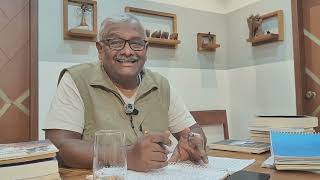
Dharmendra Kumar Arenahalli, known as Dharmi Sir, tells Karnataka in Kannada, place by place. 852 stories from his channel Mysoorina Kathegalu: temples, forts, palaces, streets, and the people tied to them.

ಧರ್ಮೇಂದ್ರ ಕುಮಾರ್ ಅರೇನಹಳ್ಳಿ Dharmendra Kumar Arenahalli Popularly known as Dharmi Sir, Dharmi, and Dharmanna. A civil engineer, social historian, and digital storyteller from Karnataka.

@mysoorinakathegalu9509 on YouTube ↗

852 stories

Across every place on the channel
Address /
08 Watch on YouTube ↗
Kittur · Belagavi
Kittur series · Episode 8

Perspectives on Shivalingarudra Sarja, Thackeray, and Rani Chennamma in the Kittur story.

ದೃಷ್ಟಿಕೋನಗಳು | ಶಿವಲಿಂಗರುದ್ರಸರ್ಜ - ಥ್ಯಾಕರೇ - ರಾಣಿ ಚನ್ನಮ್ಮ | Kittur Episode 08

This is a special episode exploring the emotions surrounding Kittur during its final days. Through the perspectives of Shivalingarudrasarja, Thackeray, and Rani Channamma, the episode looks at the same moment in history through different eyes. The episode is deliberately cinematographed around the silence that remains in Kittur after the storm has passed. No background score has been used. Every frame is carefully and quietly composed, allowing the silence, the place, and the story to speak for themselves. This is not just an episode about what happened. It is about how it may have felt! Brought to you by Mysoorina Kathegalu!

Biography · Court history
Rani Chennamma, Shivalingarudra Sarja, Thackeray
07 Watch on YouTube ↗
Sangolli · Belagavi
Kittur series · Episode 7

The tomb of Rani Rudramma at old Sangolli and the decline of the Kittur lineage.

ರಾಣಿ ರುದ್ರಮ್ಮನ ಸಮಾಧಿ - ಹಳೆಯ ಸಂಗೊಳ್ಳಿ | ವಂಶಾವಳಿಯ ಅವನತಿ | Kittur Episode 07 |

Chapters: 00:00 - 03:53 Rani Rudramma 03:53 - 10:01 Decline of Shivalingarudrasarja Audiocopyrights: Music from #InAudio: https://inaudio.org/ Cinematic Sad Violin by Infraction [No Copyright Music] / Sweetheart https://youtu.be/VFJ9LVSK3sM Music from #InAudio: https://inaudio.org/ Documentary Cinematic Violin by Infraction [No Copyright Music] / Florist https://youtu.be/xxfubxgrx6E

Biography
Rani Rudramma
06 Watch on YouTube ↗
Kittur · Belagavi
Kittur series · Episode 6

The tragic end of a Kittur warrior-ruler, framed from Belagavi.

ವೀರ ಸಾಮ್ರಾಟನ ದುರಂತ ಅಂತ್ಯ | Kittur Episode 06 | Belagavi

Chapters: 00:00 - 01:28 Intro 01:28 - 14:26 Empire under Mallasarja Desai 14:26 - 17:24 Personal Life 17:24 - 29:47 The Dusk of Empire Audio copyrights: Music from #InAudio: https://inaudio.org/ Cinematic Orchestra by Infraction [No Copyright Music] / Spirit https://youtu.be/q84jfaYFbKo Music from #InAudio: https://inaudio.org/ Documentary Cinematic Violin by Infraction [No Copyright Music] / Florist https://youtu.be/xxfubxgrx6E

Biography · War
Mallasarja, Desai
Watch on YouTube ↗
Mamadapur · Belagavi

A place-history of Mamadapur near Gokak in Belagavi.

ಮಮದಾಪುರ | ಗೋಕಾಕ | ಬೆಳಗಾವಿ #history #uttarakarnataka #mysuru

Audio Copyrights: @minnaminni - Classical Veena instrumental music | Ronak Ramchandran & Sarvesh Karthick | Melange Fest 2024| https://youtu.be/1ayq6oS16jw?si=6uyCtabqMPOBhLIJ

Civic life
05 Watch on YouTube ↗
Kittur · Belagavi
Kittur series · Episode 5

Kittur desai Veerappa Gowda and his part in the Third Battle of Panipat.

ಮೂರನೇ ಪಾಣಿಪತ್ ಯುದ್ಧದಲ್ಲಿ ಭಾಗವಹಿಸಿದ ಧೀರ ವೀರಪ್ಪ ಗೌಡ ಸರ್ದೇಸಾಯಿ | Kittur Episode 05 | Belagavi |

Audio Copyrights: Music from #InAudio: https://inaudio.org/ Track Name.Cinematic Documentary Neo Classic by Infraction [No Copyright Music] / The Road https://youtu.be/1j-0ygSMkLo

Biography · War
Veerappa Gowda Sardesai, Desai
04 Watch on YouTube ↗
Niranjani Mahal, Deshanur · Belagavi
Kittur series · Episode 4

Niranjani Mahal at Deshanur in Bailhongal taluk, Belagavi, in the Kittur story.

ನಿರಂಜನಿ ಮಹಲ್ | The symbol of Love | Kittur Episode 04 |

Deshanur is a village in the southern state of Karnataka, India. It is located in the Bailhongal taluk of Belgaum district in Karnataka. Audio Copyrights: Music from #InAudio: https://inaudio.org/ Ramadan Arabic Ethnic by Infraction [No Copyright Music] / Arabian Pulse https://youtu.be/fLRyivUv4G8 Music from #InAudio: https://inaudio.org/ Cinematic Sad Violin by Infraction [No Copyright Music] / Sweetheart https://youtu.be/VFJ9LVSK3sM Music from #InAudio: https://inaudio.org/ Documentary Cinematic Violin by Infraction [No Copyright Music] / Florist https://youtu.be/xxfubxgrx6E

Palace
03 Watch on YouTube ↗
Kittur Fort · Belagavi
Kittur series · Episode 3

Allappa Gowda Sardesai, the desai credited with building Kittur Fort.

ಕಿತ್ತೂರು ಕೋಟೆ ಕಟ್ಟಿದ ಧೀರ ದೇಸಾಯಿ... ಅಲ್ಲಪ್ಪ ಗೌಡ ಸರದೇಸಾಯಿ... | Kittur Episode 03 |

Audio Copyrights: Music from #InAudio​: https://inaudio.org/​ Cinematic Orchestra by Infraction [No Copyright Music] / Spirit https://youtu.be/q84jfaYFbKo?si=XsveAq9ZqiLeoKX0

Fort · Biography
Allappa Gowda Sardesai, Desai
02 Watch on YouTube ↗
Sampagaon · Belagavi
Kittur series · Episode 2

How the Kittur principality is said to have risen at Sampagaon.

ಸಂಪಗಾವಿನಲ್ಲಿ ಉದಯವಾಯಿತು ಕಿತ್ತೂರು ಸಾಮ್ರಾಜ್ಯ | Kittur Episode - 02 |

Hiremallasetty and Chikkamallasetty were two warriors from Adil Shahi kingdom. Adil Shah was pleased with the valour, bravery and honesty of the two brothers and granted them Sardeshmukhi of 6 villages: Rayara Hubbali, Sampagaon, Itagi, Hunasikatti, Kadaravalli and HIrebagewadi. They migrated from Shahapur in 1585 and settled at Sampagaon and established their traditional business. They persuaded their kin to settle with them. Source: https://en.wikipedia.org/wiki/Sampagaon,_Belgaum Audio Credits: "Ascension" by Cold Cinema https://bit.ly/4aZuKdM Music from #InAudio: https://inaudio.org/ Cinematic Dramatic Epic Orchestra Sci-Fi Trailer by Cold Cinema [No Copyright Music] / Ascension https://youtu.be/gYUC-sXt_8M Music from #InAudio: https://inaudio.org/ Ramadan Arabic Ethnic by Infraction [No Copyright Music] / Middle East https://youtu.be/3c2kC-lI6Dw

Court history
Adil Shahi
01 Watch on YouTube ↗
Kittur Fort · Belagavi
Kittur series · Episode 1

A walk around the remaining walls of Kittur Fort in Belagavi.

ಕಿತ್ತೂರು ಕೋಟೆಯ ಅವಶೇಷಗಳ ಸುತ್ತ ಒಂದು ಪಯಣ | Belagavi | Kittur - Episode 01 |

Kittur is a fort located in the Karnataka state of India, it is the former capital of a minor principality as well as a major archaeological site. The fort was built by Allappa Gowda Sardesai, the ruler of the Desai dynasty between 1650 and 1681.[2] It was held by Rani Chennamma, a woman warrior of Karnataka who revolted against the British in 1824. Kittur reached its zenith during the Mallasarja Desai. The place has a Nathapanthi matha in police line area, and temples of Maruti in fort, Kalmeshwara, Dyamavva and Basavanna, the last named a later Chalukyan monument now completely renovated. Source: https://en.wikipedia.org/wiki/Kittur_Fort Audio Copyrights: Music from #InAudio: https://inaudio.org/ Cinematic Epic Awards by Infraction [Copyright Free Music] / Triumphant https://youtu.be/PHEi-NKe3fA?si=8sNyOdy2wYDch-xj Music from #InAudio: https://inaudio.org/ Cinematic Orchestra by Infraction [No Copyright Music] / Spirit https://youtu.be/q84jfaYFbKo?si=MqfWREZYGql_2YKT

Fort
Allappa Gowda Sardesai, Rani Chennamma, Desai
Watch on YouTube ↗
Veera Narayana Temple, Belavadi · Chikkamagaluru

The Hoysala Veera Narayana temple at Belavadi in Chikkamagaluru.

ವೀರ ನಾರಾಯಣ ದೇವಸ್ಥಾನ, ಬೆಳವಡಿ

The Veera Narayana temple, also referred to as the Viranarayana temple of Belavadi, is a triple Hindu temple with a complex Hoysala architecture completed around 1200 CE. Close to Halebidu, this is a better preserved large Hoysala monument found in the small village of Belavadi, Chikkamagaluru district of Karnataka, India. Audio Copyrights: Audio Copyrights: @minnaminni - Classical Veena instrumental music | Ronak Ramchandran & Sarvesh Karthick | Melange Fest 2024| https://youtu.be/1ayq6oS16jw?si=cXKIacs_PVplCQnv

Temple
Hoysala
Watch on YouTube ↗
Kurnool Fort · Kurnool

How Kondareddy Buruju, the fort at Kurnool in Andhra Pradesh, came to be.

ಕೊಂಡಾರೆಡ್ಡಿ ಕೋಟೆ ಆದದ್ದು ಹೇಗೆ? | Kurnool Fort | Andhra Pradesh

Konda Reddy Fort, also known as Kondareddy Buruju is a fort situated in the city of Kurnool in Andhra Pradesh, India. At a distance of 2 km from Kurnool Railway Station, 2.9 km from Kurnool New Bus Stand and 24 km from Alampur, Konda Reddy fort is an imposing structure situated in the heart of Kurnool City. The monument, a semi-circular bastion crowned with a tower, is the only extant remains of an old fortification around the city. The construction of the fort dates back to the 12th century when the city of Kurnool was used as a base on Tungabhadra river crossing. Kurnool was reigned by Vijayanagara Emperors Devaraya II and Achyutaraya who succeeded Krishnadevaraya built the initial fort between 1530 and 1542. Source: https://en.wikipedia.org/wiki/Konda_Reddy_Fort Audio Copyrights: Music from #InAudio: https://inaudio.org/ Cinematic Documentary Neo Classic by Infraction [No Copyright Music] / The Road https://youtu.be/1j-0ygSMkLo?si=jXdLfTWBjKP_cqBI

Fort
Watch on YouTube ↗
Halasuru Someshwara Temple · Bengaluru Urban

The Someshwara temple at Halasuru in Bengaluru.

ಹಲಸೂರು ಸೋಮೇಶ್ವರ | ಅನೇಕ ಅದ್ಭುತಗಳನ್ನೊಳಗೊಂಡ ದೇವಸ್ಥಾನ...

Timeline: 00:00 - 02:49 Intro 02:49 - 07:43 Entrance 11:23 - 11:54 Someshwara 11:54 - 31:58 CH01 - Pillars 31:58 - 37:13 CH02 - Girija Kalyaani 37:13 - 41:58 CH03 - Nayanaars 41:58 - 47:01 CH04 - Kamaakshi Amma 47:01 - 53:13 CH05 - Temple Celebration 53:13 - 55:02 CH06 - Temple Kalyaani Audio Copyright: Audio Copyrights: https://youtu.be/1ayq6oS16jw?si=2OCb6DtdvnvwhRn3 @minnaminni - Classical Veena instrumental music | Ronak Ramchandran & Sarvesh Karthick | Melange Fest 2024|

Temple
Watch on YouTube ↗
Kshamadamba Temple, Kurudumale · Kolar

The Parvati shrine at Kurudumale in Kolar, known as Kshamadamba.

"ಕ್ಷಮದಾಂಬ" ಎಂಬ ವಿಶೇಷ ಹೆಸರಿನಿಂದ ಕರೆಯಲ್ಪಡುವ ಪಾರ್ವತಿಯ ಏಕೈಕ ದೇವಸ್ಥಾನ... ಕುರುಡುಮಲೆ, ಕೋಲಾರ ಜಿಲ್ಲೆ...

Temple
Watch on YouTube ↗
Kurudumale Ganapati Temple · Kolar

The Ganapati temple at Kurudumale in Kolar district.

ಕೂಡುಮಲೆ ( ಕುರುಡುಮಲೆ ) ಗಣಪತಿ ದೇವಸ್ಥಾನ... ಮುಕ್ಕೋಟಿ ದೇವರುಗಳು ನೆಲೆಸಿಹ ಪುಣ್ಯ ಭೂಮಿ... ಕೋಲಾರ ಜಿಲ್ಲೆ...

Temple
Watch on YouTube ↗
Agastheshwara Temple, T. Narasipura · Mysuru

The Agastheshwara Shiva temple at T. Narasipura in Mysuru, linked to sage Agastya.

ಅಗಸ್ತ್ಯೇಶ್ವರ ದೇವಸ್ಥಾನ | ಮಹರ್ಷಿ ಅಗಸ್ತ್ಯರು ಸ್ಥಾಪಿಸಿದ ಭಾರತದ ಮೊದಲ ಶಿವಲಿಂಗ | T Narasipura | Mysuru |

At a distance of 35 Kms from Mysore, Agasteswara temple is a famous temple built at the confluence of two rivers - Cauvery & Kabini (Kapila). According to scriptures Maharishi Agasthya went through the Dandakaranya. He reached this place and wanted to offer prayer to Lord Shiva. He ordered Hanuman to get a Shiva Lingam from Kashi for pooja. By the time Hanuman brought the Lingam, Agasthya made a Lingam out of sand and started to worship it. Lord Hanuman was annoyed and tried to destroy the lingam. The height of the lingam grew to about 60 feet. The panchalingas of T.Narasipur include the lingas at Someshwara lingam, Markandeshwara lingam, the Gargeshwara Lingam at Gargeshwari village, along with the Agasthyeshwara and the Hanuman Lingam at T.Narasipura. Kumbhamela is performed once in 3 years, only at this location in South India. Source: https://www.trawell.in/karnataka/mysore/agasteswara-temple-tnarasipura Timeline: 00:00 - 00:57 Intro 00:57 - 05:10 Story of Agastheshwara 05:10 - 07:24 The Entrance 07:24 - 10:11 Inner premises of Temple 10:11 - 11:45 An Interesting figure 11:45 - 14:41 Petelu Chowdiah's Inspiration 14:41 - 17:44 Much more to look around 17:44 - 19:38 The Howdah 19:38 - 21:15 The Nandi and The Bhrungi 21:15 - 24:35 Goddess Paarvathi 24:35 - 25:39 Hanumantheshwara 25:39 - 27:04 Dedicated Temple Comittee 27:04 - 27:51 Outro Audio Copyrights: @minnaminni - Classical Veena instrumental music | Ronak Ramchandran & Sarvesh Karthick | Melange Fest 2024| https://youtu.be/1ayq6oS16jw?si=6uyCtabqMPOBhLIJ

Temple
Agastya
Watch on YouTube ↗
Chikkajala · Bengaluru Rural

A rare temple tank at Chikkajala in Devanahalli taluk, Bengaluru Rural.

ಅತ್ಯಪರೂಪದ ವಿಶೇಷಗಳನ್ನೊಳಗೊಂಡ ಕಲ್ಯಾಣಿ... ಚಿಕ್ಕಜಾಲ, ಬೆಂಗಳೂರು | Devanahalli | Bengaluru |

The village has the ruins of an ancient Fort, known as Chikkajala Fort. There are also temple ruins beside the fort. Hoysala king, Vishnuvardhana (1108-1152) constructed the ancient Chennaraya (Chennakeshava) temple in the village. According to the 2011 Census of India, Chikkajala had a population of 6,154 and a total area of 2.52 km2. Males and females constituted 55.72 per cent and 44.28 per cent respectively of the population. Literacy at that time was 76.97 per cent. People classified as Scheduled Castes and Scheduled Tribes under India's system of positive discrimination accounted for 25.33 per cent and 3.67 per cent respectively of the population. Source: https://en.wikipedia.org/wiki/Chikkajala #history #bengaluru #british

Temple · Lake
Vishnuvardhana, Hoysala
Watch on YouTube ↗
No single place

The old Nandi railway station and the Kolar, KGF narrow-gauge line associated with Sir M. Visvesvaraya.

ಶತಮಾನದ ರೈಲು ನಿಲ್ದಾಣ | Sir MV | Nandi | Kolar | KGF

The 2 ft 6 in (762 mm) wide narrow-gauge line between Bowringpet (later Bangarapet) and Kolar was opened in 1913 by Mysore State Railway. The narrow-gauge Yeshvantapur, Devanhalli, Chikballapur line was opened in 1915, Bowringpet-Kolar 2'6" line extended to Chintamani / Chikkaballapur in 1916 (forming the Kolar District Rly.) by the Mysore State Railway and was finally linked to Bangalore via Sidlaghatta, Chintamani, Srinivasapura under Yelahanka, Bangarapet narrow-gauge line in 1918.[1] Gauge conversion of the Bangarpet, Kolar line was completed and opened for traffic in 1997 and since then it has been serviced by a railbus.[2] Gauge conversion of Yelankha, Chickballapur was completed and opened for traffic in 2004. Then, gauge conversion of Chickballapur, Kolar was completed and opened for traffic in November 2013, thus connecting the entire network into an Yelankha, Bangarpet broad-gauge line. Audio Copyrights: Music from #InAudio: https://inaudio.org/ Sad Background Music by Infraction [No Copyright Music] / Drama https://youtu.be/-wo-4SS2SzI?si=OqVsklcJlxp0Bo4l

Transport
M. Visvesvaraya
Watch on YouTube ↗
Someshwara Temple, Kolar · Kolar

The Someshwara temple in Kolar town.

ಅತ್ಯದ್ಭುತ ಸೋಮೇಶ್ವರ ಗುಡಿ | ಕೋಲಾರ |

The Someshwara temple (also spelt Someshvara or Somesvara), situated in the town of Kolar, Karnataka, India is an ornate 14th century Vijayanagara era Dravidian style construction. Someshwara, another name for the Hindu god Shiva is the presiding deity in the temple.[1] The temple is protected by the Archaeological Survey of India as a monument of national importance. Audio Copyrights: @minnaminni - Classical Veena instrumental music | Ronak Ramchandran & Sarvesh Karthick | Melange Fest 2024| https://youtu.be/1ayq6oS16jw?si=6uyCtabqMPOBhLIJ

Temple
Vijayanagara
Watch on YouTube ↗
Kolaramma Temple · Kolar

Kolaramma, the ancient city-goddess shrine of Kolar.

ಕೋಲಾರಮ್ಮ | ಕೋಲಾರ | ಅತ್ಯಂತ ಪ್ರಾಚೀನ ನಗರ | Kolar |

Audio Copyrights: @minnaminni - Classical Veena instrumental music | Ronak Ramchandran & Sarvesh Karthick | Melange Fest 2024| https://youtu.be/1ayq6oS16jw?si=6uyCtabqMPOBhLIJ Timeline: 00:00 - 01:08 Intro 01:08 - 13:04 Interesting Entrance Gates 13:04 - 15:51 Origin of the word "KOLAR" 15:51 - 20:12 The Timeless Shasana 20:12 - 21:21 Story Time. 21:21 - 22:52 Story Time again! 22:52 - 24:04 Longknown KGF 24:05 - 26:12 Significance of Scorpions 26:23 - 27:19 The Friendly Policemen! 27:19 - 28:09 Outro

Temple · Folk deity
Watch on YouTube ↗
Kedareswara Temple, Nagalapura · Tumakuru

The Hoysala Kedareswara temple at Nagalapura in Turuvekere taluk, Tumakuru.

ಕೇದಾರೇಶ್ವರ ದೇಗುಲ | ಹೊಯ್ಸಳರ ವಿಶಿಷ್ಟ ರಚನೆ | ನಾಗಲಾಪುರ, ತುರುವೇಕೆರೆ ತಾ ತುಮಕೂರು ಜಿಲ್ಲೆ...

'Nagalapura' is a village located in Turuvekere taluk, Tumkur district. This place is almost unknown but has two significantly beautiful and ornate Hoysala temples, which probably would have been grand like any other Hoysala temple, but today is nothing but ruins. Nagalapura was a prosperous town under the Hoysala rule, whose grandeur can be felt when we look at these temple . Like most of the Hoysala towns, this too has a temple dedicated to Lord Shiva (Kedareshwara) and another temple dedicated to Lord Vishnu (Chennakeshava). The Kedareshwara temple is situated at the entrance of the village. This is bigger than the Chennakeshava temple though both have the same plan of construction. Source: https://www-teamgsquare-com.translate.goog/2011/05/the-hoysala-temples-of-nagalapura.html?_x_tr_sl=en&_x_tr_tl=kn&_x_tr_hl=kn&_x_tr_pto=tc Audio Copyrights: @minnaminni - Classical Veena instrumental music | Ronak Ramchandran & Sarvesh Karthick | Melange Fest 2024| https://youtu.be/1ayq6oS16jw?si=6uyCtabqMPOBhLIJ

Temple
Hoysala
Watch on YouTube ↗
Chennakeshava Temple, Aralaguppe · Tumakuru

The Hoysala Chennakeshava temple at Aralaguppe, known for the Kadlekayi Ganapati, tagged from Tumakuru.

ಚೆನ್ನಕೇಶವನ ದೇವಸ್ಥಾನ | ಕಡ್ಲೆಕಾಯಿ ಗಣಪತಿ | Tumkur

The Chennakeshava temple, dedicated to the Hindu god Vishnu, is located in Aralaguppe, a small town in Karnataka state, India. Aralaguppe is located 60 km from the city of Hassan. The temple was built around 1250 during the rule of the Hoysala Empire King Vira Someshwara. The temple is a protected monument under the Karnataka state division of the Archaeological Survey of India. Audio Copyrights: @minnaminni - Classical Veena instrumental music | Ronak Ramchandran & Sarvesh Karthick | Melange Fest 2024| https://youtu.be/1ayq6oS16jw?si=6uyCtabqMPOBhLIJ

Temple
Vira Someshwara, Hoysala
Watch on YouTube ↗
Chennakeshava Temple, Nagalapura · Tumakuru

The neglected Chennakeshava temple at Nagalapura in Turuvekere taluk, Tumakuru.

ಕಳೆದು ಹೋದ ವೈಭವ... ನಾಗಲಾಪುರದ ಚನ್ನಕೇಶವ, ತುರುವೇಕೆರೆ ತಾಲೂಕು, ತುಮಕೂರು ಜಿಲ್ಲೆ...

The Chennakeshava Temple in Nagalapura is located in turuvekere taluk of Tumkur district in Karnataka.Located in Nagalapura villageA historical and lesser-known temple from the Hoysala period. It is one of the twin temples built in the mid-13th century (circa 1250-1260 CE), the other being the Kedareshwara (Shiva) temple. This is an Ekakuta (single sanctum) temple dedicated to Lord Vishnu. The Hoysala style star-shaped base, beautifully carved pillars and the carvings of lotus and Ashtadikpalakar on the roof of the navaranga are the attractions of this temple. Currently, the spire and the porch portion of this temple are missing and it is under the protection of the Archaeological Survey of India (ASI). Audio Copyrights: @minnaminni - Classical Veena instrumental music | Ronak Ramchandran & Sarvesh Karthick | Melange Fest 2024| https://youtu.be/1ayq6oS16jw?si=6uyCtabqMPOBhLIJ

Temple
Hoysala
Watch on YouTube ↗
Javagal · Hassan

Ramayana reliefs on the Hoysala temple at Javagal in Hassan.

ರಾಮಾಯಣದ ಕೆತ್ತನೆಗಳು | ಜಾವಗಲ್ | Hassan |

The Lakshminarasimha temple at Javagal, sometimes referred to as Lakshmi Narasimha temple of Javagallu, is a mid-13th century Hindu temple with Hoysala architecture. It is located in Javagal about 20 km northeast from Halebidu and 50 km from Hassan city, Karnataka state, India. This triple shrine temple is dedicated to Narasimha, the man-lion avatar of Vishnu. It was completed between 1250 and 1260 CE by King Vira Someshwara of the Hoysala Empire. The temple is a compact illustration of a square plan typical of Hindu temple architecture, but one where the three sanctums share a common mandapa (hall). These sanctums are dedicated to Lakshminarasimha, Sridhara, and Venugopala. It is notable for its lavish artwork consisting of over 100 panels, all intricately carved both outside and inside. Many of these panels depict legends from the Ramayana. Source: https://en.wikipedia.org/wiki/Lakshminarasimha_Temple,_Javagal Audio Copyrights: @minnaminni - Classical Veena instrumental music | Ronak Ramchandran & Sarvesh Karthick | Melange Fest 2024| https://youtu.be/1ayq6oS16jw?si=6uyCtabqMPOBhLIJ Music provided by no copyright - audio world https://youtu.be/Yj7gkX_qKXc?si=jqWqpvui1wx5xjsv

Temple
Hoysala
Watch on YouTube ↗
Belum Caves · Nandyal

A visit to the Belum cave system in Andhra Pradesh.

ಅತ್ಯಂತ ರೋಮಾಂಚಕ ಬೇಲಮ್ ಗುಹೆಗಳು... ಆಂಧ್ರಪ್ರದೇಶ...| Caves | Andhra Pradesh |

Audio Copyrights: Music from #InAudio: https://inaudio.org/ Cinematic Dramatic Epic Orchestra Sci-Fi Trailer by Cold Cinema [No Copyright Music] / Ascension • https://youtu.be/gYUC-sXt_8M?si=vTilkDWTt1FomCj_ Music from #InAudio: https://inaudio.org/ Cinematic Dramatic Documentary by Infraction [No Copyright Music] / A New Dawn • https://youtu.be/B0KD2ESTsOI?si=BbYK4xLNYAV9ssVZ

Cave
Watch on YouTube ↗
Mokshagundam · Prakasam

Where Sir M. Visvesvaraya's family name comes from, at Mokshagundam and Addanki in Andhra Pradesh.

ಸರ್ ಎಂ ವಿಶ್ವೇಶ್ವರಯ್ಯನವರು ಬಂದಿದ್ದು ಎಲ್ಲಿಂದ ಗೊತ್ತೇನು...? | Karnataka | Andhra Pradesh |

Sir Mokshagundam Visvesvaraya (15 September 1861-14 April 1962), also referred to by his initials, MV, was an Indian civil engineer, administrator, and statesman, who served as the 19th Dewan of Mysore from 1912 to 1918. Visvesvaraya is regarded in India as one of the foremost civil engineers whose birthday, 15 September, is celebrated every year as Engineer's Day in India, Sri Lanka, and Tanzania. He is also often regarded as "the maker of modern Mysore". According to Prajavani, a Kannada language newspaper, he is also the most popular figure in the southern Indian state of Karnataka. Visvesvaraya worked as a civil engineer for the government of British India and later as Prime Minister of the Kingdom of Mysore. For his services to British India, he was appointed CIE and later knighted KCIE. For his services to the Kingdom of Mysore and the Republic of India, he was awarded the Bharata Ratna by Government of India in 1955. Timeline: 00:00 - 00:42 Intro 00:42 - 02:41 Addanki 02:41 - 05:10 Heritage Mokshagundam 05:10 - 05:50 Old Mokshagundam 05:50 - 07:30 today's Mokshagundam 07:30 - 08:46 Sir MV's Family Tree 08:46 - 09:11 Why Mokshagundam? 09:11 - 12:45 Importance of Sir M Vishweshwariah 12:45 - 15:03 Tribute to Sir MV Audio Credits: @minnaminni - Classical Veena instrumental music | Ronak Ramchandran & Sarvesh Karthick | Melange Fest 2024| https://youtu.be/1ayq6oS16jw?si=36-bV9WL1Mo9T_9F #karnataka #andhrapradesh #engineering #history #kannada #telugu

Biography
M. Visvesvaraya
Watch on YouTube ↗
Gooty Fort · Anantapur

Gooty Fort in Andhra Pradesh, a major stronghold of the Vijayanagara kings.

ವಿಜಯನಗರದ ಅರಸರು ಆಳಿದ ಅತ್ಯಂತ ಪ್ರಮುಖ ಕೋಟೆ... ಗುತ್ತಿ, ಆಂಧ್ರಪ್ರದೇಶ | GOOTY FORT | Andhra Pradesh |

The Gooty Fort, also known as Ravadurg and Gutti Kota, is a ruined fort located on a hill in the Gooty town of Andhra Pradesh, India. The town of Gooty (originally, "Gutti") is located in the Ananthapur district of Andhra Pradesh. It is one of the centrally protected monuments of national importance. The fort is located on a group of hills that rise up to 680 m above the sea level. The hills are connected by lower spurs. The citadel of the fort is located on the westernmost hill. It has only one entrance known as "Mar Gooty. The summit of the citadel has two buildings, apparently a granary and a gunpowder magazine. The ruined Narasimha temple is located near the summit. On a 300 m high cliff, there is a small pavilion called "Murari Rao's seat", which provides a panoramic view of the town below. It is said that the Maratha general Murarirao Ghorpade used to play chess and swing here. Travel Partner: Gosala Vacations | Gasala Ventures Contact: +91 8884766278 Timelines: 00:00 - 01:12 Intro 01:12 - 02:10 Where is Gooty? 02:10 - 04:11 Ser Thomas Munro 04:11 - 08:50 Timelines of Gooty 08:50 - 11:06 The British Raj 11:06 - 13:08 Power Politics for Gooty 13:08 - 14:45 Murari Rao's seat 14:45 - 16:00 Outro Audio Copyrights: Music from #InAudio: https://inaudio.org/ Documentary Cinematic Adventure by Infraction [No Copyright Music] / Misty Mountains https://youtu.be/qGgshTVDxGY?si=hVp29ZmwFQlfTGHw Music from #InAudio: https://inaudio.org/ Epic Cinematic Trailer by Infraction [No Copyright Music] / Giants League https://youtu.be/0F0o1VmGOOI?si=hpMy_ElZM1_svds1

Fort
Thomas Munro, Murari Rao Ghorpade, Vijayanagara
Watch on YouTube ↗
Channakeshava Temple, Haranahalli · Hassan

The Channakeshava temple at Haranahalli in Arasikere taluk, Hassan.

ಚೆಲುವ ಚನ್ನಕೇಶವನ ವೈಭವ... ಹಾರನಹಳ್ಳಿ, ಅರಸೀಕೆರೆ ತಾ ಹಾಸನ

Audio Credits: @achyuthprasad7481 - Kelisade kallu kallinali | Veena cover | Achyuth Prasad| https://youtu.be/8kqlT9aJlM0?si=csK-Ty2OPkRb1f9S @minnaminni - Classical Veena instrumental music | Ronak Ramchandran & Sarvesh Karthick | Melange Fest 2024| https://youtu.be/1ayq6oS16jw?si=zNz2T-xw8hK-CDm_

Temple
Watch on YouTube ↗
Alampur · Jogulamba Gadwal

A tantric shrine at Alampur in Telangana, attributed to the Badami Chalukyas.

ಬಾದಾಮಿ ಚಾಲುಕ್ಯರು ಕಟ್ಟಿದ ಏಕೈಕ ತಾಂತ್ರಿಕ ದೇಗುಲ... ಅಲಂಪುರ, ತೆಲಂಗಾಣ | Alampura | Telangana |

Alampuram (Hemalapuram) is a town situated in Jogulamba Gadwal district in the Indian state of Telangana. Alampur is a popular Hindu pilgrimage site in Shaktism and is also home to the Navabrahma Temples, a group of nine temples dedicated to Shiva[5] built in the seventh and eighth century CE. It is the meeting point of the rivers Tungabhadra and Krishna and is referred to as Dakshina Kasi and is also considered the western gateway to Srisailam. The sacredness of Alampur is mentioned in the Skanda Purana. It is surrounded by the Nallamala hills and is situated on the left bank of the Tungabhadra River. Alampur was ruled by badami chalukyas they built 9 cluster of shiva temples. After them rashtrakutas of manyakheta and western chalukyas of karnataka built papanasi temples. Alampur is home to multiple Telugu and old Kannada inscriptions.Alampur contains numerous Hindu temples, the prominent ones being Jogulamba temple, Navabrahma temples, Papanasi temples, and Sangameswara Temple. Jogulamba temple is one of the eighteen Maha Shakta pithas, which are the most significant shrines and pilgrimage destinations in Shaktism. The Navabrahma Temples[3][4] are nine temples dedicated to Shiva built in the seventh and eighth century CE by the Badami Chalukyas. The Navabrahma temples are listed as an archaeological and architectural treasure on the official "List of Monuments" prepared by the Archaeological Survey of India. Papanasi temples are a group of twenty three Hindu temples dated between 9th- and 11th-century located in Papanasi village, 2.5 km (1.6 mi) to the south-west of Alampur. Papanasi temples are close to the Navabrahma Temples of the Shaivism tradition, but were constructed a few centuries later by the Rashtrakutas and Western Chalukyas. Source: https://en.wikipedia.org/wiki/Alampuram_(Hemalapuram) Our Travel Partners: GOSALA VENTURES | GOSALA VACATIONS Contact: +91 88847 66278 Timeline: 00:00 - 01:02 Intro 01:02 - 02:25 Glimpse of Alampur 02:25 - 03:56 Mythological Alampur 03:56 - 12:20 Historical Alampur 12:20 - 16:00 Archaeological Museum of Alampur 16:00 - 17:41 Outro Audio Copyright: Music from #InAudio: https://inaudio.org/ Documentary Cinematic Adventure by Infraction [No Copyright Music] / Misty Mountains https://youtu.be/qGgshTVDxGY?si=_UPo_jWCMtfD0z4w @minnaminni - Classical Veena instrumental music | Ronak Ramchandran & Sarvesh Karthick | Melange Fest 2024| https://youtu.be/1ayq6oS16jw?si=36-bV9WL1Mo9T_9F #kannada #chalukyas #telangana #andhrapradesh #history

Temple
Badami Chalukya, Rashtrakuta
Watch on YouTube ↗
Kondajji · Hassan

Kondajji in Hassan, remembered as the place of Vishnu's Mohini form and the slaying of Bhasmasura.

ಮಹಾವಿಷ್ಣು ಮೋಹಿನಿ ಅವತಾರ ಎತ್ತಿ ಭಸ್ಮಾಸುರ ಸಂಹಾರ ಮಾಡಿದ್ದು ಇಲ್ಲೇ... ಕೊಂಡಜ್ಜಿ, ಹಾಸನ |Hassan| Kondajji|

Audio Copyrights: Music provided by no copyright - audio world https://youtu.be/Yj7gkX_qKXc?si=j2iOU4wiebVTOfxY Title: "indian traditional background no copyright audio"

Temple · Folk deity
Watch on YouTube ↗
Bucheshwara Temple, Koravangala · Hassan

The Hoysala Bucheshwara temple at Koravangala in Hassan.

ಹೊಯ್ಸಳರ ಕಿರೀಟದ ಮತ್ತೊಂದು ಗರಿ... ಕೋರವಂಗಳದ ಬೂಚೇಶ್ವರ ದೇಗುಲ ಹಾಸನ ಜಿಲ್ಲೆ... |Hoysala|Hassan|

Bucesvara temple, also referred to as the Buceswara, Bucheshwara or Bhucheshvara temple, is a 12th-century Hindu temples in Koravangala village, Karnataka, India. The most sophisticated historical temple in the village, it is considered to be the flag-bearer of Hoysala architecture and was built by a wealthy patron named Buchi during the reign of king Ballala. It is a twin temple with the two sanctums facing each other. The sanctum next to the larger mandapa opens to the east and is dedicated to Shiva, while the other near the two entrances is dedicated to Surya. Artworks of Shaivism, Vaishnavism, Shaktism and the Vedic deities are reverentially displayed, along with panels depicting scenes from the Ramayana, the Mahabharata, the Bhagavata Purana. Also included are scenes of artha and kama (mithuna, amorous couples). The temple is protected as a monument of national importance by the Archaeological Survey of India. Source: https://en.wikipedia.org/wiki/Bucesvara_Temple,_Koravangala Audio Credits: @achyuthprasad7481 - Kelisade kallu kallinali | Veena cover | Achyuth Prasad| https://youtu.be/8kqlT9aJlM0?si=csK-Ty2OPkRb1f9S @minnaminni - Classical Veena instrumental music | Ronak Ramchandran & Sarvesh Karthick | Melange Fest 2024| https://youtu.be/1ayq6oS16jw?si=zNz2T-xw8hK-CDm_

Temple
Hoysala
Watch on YouTube ↗
Agrahara Belaguli · Hassan

The neglected Kesaveshwara and Bettashwara temples at Agrahara Belaguli in Hassan.

ಅಗ್ರಹಾರ ಬೆಳಗುಲಿ... ಸಂಪೂರ್ಣ ನಿರ್ಲಕ್ಷಿಸಲ್ಪಟ್ಟ ಅದ್ಭುತ ದೇಗುಲ... ಕೇಶವೇಶ್ವರ, ಬೆಟ್ಟಶ್ವರ ಎಂಬ ಸೊಗಸಾದ ದೈವಗಳು..

Agrahara Belaguli is a village in Karnataka, India. It is situated about 25 km northeast from Channarayapattana in Hassan district. It was a major town before the 14th century during the Hoysala times. Early inscriptions here date from the 11th and 12th-century. Kesava Dannayaka, a general of king Vira Ballala, added several Hoysala temples dedicated to Shiva and Vishnu here in early 13th-century. He also constructed a water reservoir called Kesavasamudra. This historic water infrastructure is now to the west of the village. The village became an Agrahara who were believed to be following Shatkarmas (ADHYAYANA (Study), ADHYAAPANA (Teaching), YAJANA (Fire-Sacrifice), YAAJANA (Instructing Yajana), DAANA (Offerings/Donations), PRATIGRAHA (Receiving Daana)) in the second half of the 13th century, renamed as Kesavapura. This town was destroyed after the 13th century. Belaguli is now a small village, and most of the historic temples ruined. Of these, the Betteshvara temple, Kesavesvara temple in inscriptions survives in the most preserved form. This is a twin-temple, with two equal sanctums, one dedicated to Kesava-Vishnu and other to Isvara-Shiva. It has beautifully carved pillars and partly mutilated remains of Shaivism, Vaishnavism, Shaktism and Vedic deity relief panels. Source: https://en.wikipedia.org/wiki/Agrahara_Belaguli Audio Copyrights: Music from #InAudio: https://inaudio.org/ Sad Background Music by Infraction [No Copyright Music] / Drama https://youtu.be/-wo-4SS2SzI?si=vZQaxwxZVFZMvWpG

Temple
Hoysala
Watch on YouTube ↗
No single place

Compares an unnamed stone chariot with the famous chariot at Hampi, without naming the site.

ಹಂಪಿಯ ಕಲ್ಲಿನ ರಥದ ವೈಭವ ಇನ್ನೂ ಉಳಕೊಂಡಿದೆ ನೋಡಿ ಇಲ್ಲಿ...

Audio Copyrights: Music provided by no copyright - audio world https://youtu.be/Yj7gkX_qKXc?si=j2iOU4wiebVTOfxY Title: "indian traditional background no copyright audio"

Temple
Watch on YouTube ↗
Lakshmi Narasimha Temple, Hosaholalu · Mandya

The Hoysala Lakshmi Narasimha temple at Hosaholalu in Mandya.

ಹೊಯ್ಸಳರ ವಿಸ್ಮಯ... ಹೊಸಹೊಳಲಿನ ಶ್ರೀಲಕ್ಷ್ಮೀನರಸಿಂಹ ದೇವಸ್ಥಾನ...

The Lakshminarayana Temple is a 13th-century Hindu temple with Hoysala architecture in Hosaholalu, Mandya district of Karnataka, India. Dedicated to Vishnu, this three-shrine monument is notable for its finely carved plinth (adhisthana) with panels of the Ramayana, the Mahabharata and the Bhagavata Purana. It has one of the most beautifully embellished Hoysala tower projection (sukanasa) that integrates the Dravida motifs with asta-bhadra Bhumija motifs from central India. Also notable are polish and jewelry-like carvings inside the temple's mandapa. Timeline: 00:00 - 01:32 Intro 01:32 - 04:10 Why visit Hosaholalu? 04:10 - 11:38 Inside the Temple 11:38 - 24:05 Outside the Temple Audio Copyrights: Music from #InAudio: https://inaudio.org/ Epic Action Cinematic by Infraction [No Copyright Music] / Heroes https://youtu.be/lpEL1Nt6rJk?si=0rUmB6bby1HJ6J2L

Temple
Hoysala
Watch on YouTube ↗
No single place

The Andhra ancestral home of the Aravidu dynasty and Aliya Rama Raya of Vijayanagara.

ವಿಜಯನಗರ ಸಾಮ್ರಾಜ್ಯವನ್ನಾಳಿದ ಅರವೀಡು ರಾಜವಂಶಸ್ಥರ ಮೂಲ ಸ್ಥಳ... ಅಳಿಯ ರಾಮರಾಯ ಬಂದಿದ್ದು ಇಲ್ಲಿಂದಲೇ...

The Aravidu Dynasty was the fourth and last Hindu dynasty of the Vijayanagara Empire in South India. Its founder was Tirumala Deva Raya, whose brother Rama Raya had been the masterful regent of the last ruler of the previous dynasty. Rama Raya's death at the Battle of Talikota in 1565 led to the subsequent destruction of Vijayanagar by the combined forces of the Muslim states of the Deccan. The Aravidu family claimed to be Kshatriyas and were based in Andhra region. They claimed to belong to the Atreya gotra and traced their lineage to the Eastern Chalukya king Rajaraja Narendra. Source: https://en.wikipedia.org/wiki/Aravidu_dynasty Audio Copyrights: Music from #InAudio: https://inaudio.org/ Epic Action Cinematic by Infraction [No Copyright Music] / Heroes https://youtu.be/lpEL1Nt6rJk?si=Ba_Nhz23dVojxmt3 #hampi #kannada #vijayanagar #history

Court history · Biography
Aliya Rama Raya, Aravidu, Vijayanagara
Watch on YouTube ↗
Sawantwadi Palace · Sindhudurg

Sawantwadi Palace and the Devbagh coast where river and sea meet in Sindhudurg, Maharashtra.

ಸಾವಂತವಾಡಿ ಅರಮನೆ | ದೇವಬಾಗ್ - ನದಿಯನ್ನು ಅಪ್ಪಿಕೊಳ್ಳುವ ಸಾಗರ

More Info on https://sawantwadipalace.com/home Sawantwadi, known as the land of the artists, is an integral part of the Konkan region which is in the mid-western coast of India. The Princely State of Sawantwadi was ruled by the Royal Family of Sawant Bhonsles. The Sawantwadi Palace was built by Khem Sawant III during his reign from 1755-1803 stands as a pride of the city. The Royal Palace of Sawantwadi is truly an architectural masterpiece that effortlessly merges the English arches with the native workmanship and the vibrant red laterite stones. Source: https://sawantwadipalace.com/aboutus Devbagh Point: More info on https://www.onefivenine.com/india/villages/Sindhudurg/Malvan/Devbag Timeline: 00:00 - 00:40 Intro 00:40 - 02:30 Palace Courtyards 02:30 - 05:54 Palace Indoors/Museum 05:54 - 08:44 River meets her Ocean 08:44 - 09:23 Outro Audio Copyrights: Music provided by no copyright - audio world https://youtu.be/Yj7gkX_qKXc?si=juyllt2jtNSPQld4 Music from #InAudio: https://inaudio.org/ Cinematic Sad Violin by Infraction [No Copyright Music] / Sweetheart https://youtu.be/VFJ9LVSK3sM?si=SQPlJ47Q0DV97di3 Music from #InAudio: https://inaudio.org/ Upbeat Motivational Business Podcast by Infraction [No Copyright Music] / Tomorrow https://youtu.be/hU_k7lgPTSk?si=88wn94w3CB-5mQvX

Palace · Nature
Watch on YouTube ↗
No single place

Prehistoric laterite petroglyphs of the Konkan coast in Ratnagiri and Sindhudurg, Maharashtra, and Goa.

ಹನ್ನೆರಡು ಸಾವಿರ ವರ್ಷಗಳ ಹಿಂದಿನ ಶಿಲ್ಪಕಲೆ...

Relevant links to read about Petroglyphs: https://kevinstandagephotography.wordpress.com/2019/03/14/the-konkan-petroglyphs-rundhe-tali/ https://www.heritageuniversityofkerala.com/Publications/P1/18_Garge%20etal_PPJ_20230202.pdf https://thebetterindia.com/162769/ratnagiri-petroglyphs-history-stone-age-news/ The petroglyphs of Konkan, sometimes called Konkan geoglyphs, are prehistoric rock carvings etched into the flat laterite plateaus (sadas) along Maharashtra’s and Goa’s coast. They’re estimated at roughly 12,000 years old, with some evidence pushing them toward 20-24 kya, making them older than the Indus Valley civilisation and a rare Indian example of open-air geoglyphs. What they look like - Over 1,500 carvings at ∼70 sites, concentrated in Ratnagiri and Sindhudurg districts (Barsu, Devache Gothane, Ukshi, Kasheli, etc.) and Goa’s Pansaymol. - Life-sized or larger outlines of animals (elephants, tigers, rhinos, hippos, sharks, peacocks), human figures, and abstract geometric motifs, made by pecking/scooping 3-5 cm deep into rock. 【1j1O】 - The absence of domestic animals suggests hunter-gatherer creators from the Mesolithic-Neolithic transition. Why they matter - They fill a huge gap in Konkan’s prehistory, providing the only evidence of human occupation between the Paleolithic and early historic periods. - The fauna depicted includes species long extinct locally, offering ecological clues. - India has placed them on the UNESCO World Heritage tentative list and Maharashtra declared key sites protected monuments in 2024. They’re vulnerable to laterite mining and development (e.g., the proposed Barsu refinery), so conservation efforts are underway with local communities and research centres. If you ever visit Ratnagiri, the Barsu and Ukshi sites are among the most accessible clusters. Source: https://en.wikipedia.org/wiki/Konkan_geoglyphs Audio Credits: Music from #InAudio: https://inaudio.org/ Cinematic Tense Trailer by Cold Cinema [No Copyright Music] / Ashes https://youtu.be/NBW-iRd1R4Q?si=KEdBGHRYDp9COR8X #kannada #maharashtra #konkan #history Music from #InAudio: https://inaudio.org/ Sad Background Music by Infraction [No Copyright Music] / Drama https://youtu.be/-wo-4SS2SzI?si=Hb45kcwa6efl53n8

Craft
Watch on YouTube ↗
Vijaydurg Fort · Sindhudurg

Vijaydurg, a coastal fort of Shivaji in Sindhudurg, Maharashtra.

ಛತ್ರಪತಿ ಶಿವಾಜಿ ಮಹಾರಾಜರ ಮತ್ತೊಂದು ಅಭೇದ್ಯ ಕೋಟೆ... ವಿಜಯದುರ್ಗ, ಮಹಾರಾಷ್ಟ್ರ

Vijay Durg Fort, nestled in Maharashtra's Sindhudurg district, is a testament to the region's rich maritime history. Built in the 12th century by Raja Bhoj II of the Shilahar dynasty, this fort was originally known as Gheria. Its strategic location on the Arabian Sea made it a prized possession for various rulers, including Chhatrapati Shivaji Maharaj, who captured it in 1653 and renamed it Vijay Durg, meaning "Fort of Victory" . The fort's architecture is a marvel, with triple-layered walls, 27 bastions, and angled walls designed to deflect cannon fire. Its unique defensive mechanisms include tidal gates and hidden underwater walls to damage enemy ships. The fort's location on the 40 km long Waghotan Creek made it nearly impregnable, as large vessels couldn't enter the shallow waters . Vijay Durg Fort played a pivotal role in naval warfare, serving as a stronghold for the Maratha Navy under Admiral Kanhoji Angre. The British, Portuguese, and Dutch attempted to capture it several times but failed, earning it the nickname "Eastern Gibraltar" . Today, the fort is a protected monument and a popular tourist destination, offering breathtaking views of the Arabian Sea and insights into Maharashtra's glorious past. Timeline: 00:00 - 00:37 The Naval Base in 1163 00:37 - 00:56 Intro 00:56 - 02:52 Background story of Vijaydurg 02:52 - 04:11 The Canons 04:11 - 05:49 Buyaari Maarg 05:49 - 07:18 The Shivaji's Burj 07:18 - 08:25 The Bunker 08:25 - 09:43 The Council Hall 09:43 - 10:36 The Horse Stable 10:36 - 12:16 Tulasi and Tank 12:16 - 13:53 The Giant Water Storage 13:53 - 16:09 The Grains Storage 16:09 - 17:23 Gibraltor of the East! 17:23 - 18:12 Who is Kanuji Angre? 18:12 - 18:37 Outro Audio Copyrights: Music from #InAudio: https://inaudio.org/ Epic Cinematic Trailer by Infraction [No Copyright Music] / Giants League https://youtu.be/0F0o1VmGOOI?si=l6srp4bbD6gZfGRt Music from #InAudio: https://inaudio.org/ Cinematic Orchestra by Infraction [No Copyright Music] / Spirit https://youtu.be/q84jfaYFbKo?si=Ww6oS5eKDG98nB-4 #shivajimaharaj #maharashtra #karnataka #mysore #history

Fort
Shivaji, Maratha
Watch on YouTube ↗
Yashwantgad · Sindhudurg

Yashwantgad in Sindhudurg, described as a naval base built for Pulakeshin.

ಪುಲಿಕೇಶಿಗಾಗಿಯೇ ಕಟ್ಟಿದಂಥ ನೌಕಾನೆಲೆ... ಯಶವಂತ ಘಡ... ಸಿಂಧೂದುರ್ಗ ಮಹಾರಾಷ್ಟ್ರ

In 610-611 AD, Redi was an important trading port under the Chalukya ruler Swamiraja. Redi Fort was built before the rise of the Marathas, with construction starting around 600 AD. Each successive ruler expanded the boundaries of the fort. The current fort walls extend to nearly a 1 km radius, but the original fort stretched from the north, where the Ganesh idol was discovered, to Kanlya Lake, and included Durgusa Island in the Arabian Sea. The fort was part of Admiral Kanhoji Angre's line of defenses, built for Maratha Queen Tarabai Bhosale. [Source: https://en.wikipedia.org/wiki/Yashwantgad_Fort] Timeline: 00:00 - 00:30 Abstract 00:30 - 01:12 Intro 01:12 - 01:46 The MightyChalukyas 01:46 - 02:50 Who is Swamiraju? 02:50 - 05:15 The Arabian Sea 05:15 - 06:19 The Marathas 06:19 - 09:13 6CE & 17CE 09:13 - 12:12 Inside the Fort Walls 12:12 - 12:30 Dharmi plays cricket! 12:30 - 13:29 The Final Courtyard scene 13:29 - 14:20 Outro Audio Copyrights: "Ascension" by Cold Cinema https://bit.ly/4aZuKdM https://youtu.be/gYUC-sXt_8M?si=AaeV3F0Z_ITEdnAh Music from #InAudio: https://inaudio.org/ Cinematic Documentary Neo Classic by Infraction [No Copyright Music] / The Road https://youtu.be/1j-0ygSMkLo?si=mRAxrlp4b_4rBCk5 Music from #InAudio: https://inaudio.org/ Cinematic Sad Violin by Infraction [No Copyright Music] / Sweetheart https://youtu.be/VFJ9LVSK3sM?si=TdfvQ6_rjlBvBoyn Music from #InAudio: https://inaudio.org/ Documentary Violin Cinematic by Infraction [No Copyright Music] / Deep Breathshttps://youtu.be/OwEU8dPYCvY?si=iegecsDt_A0nRIu9 #maharashtra #karnataka #kannada #shivajimaharaj #malvan

Fort · Military craft
Pulakeshin II, Chalukya
Watch on YouTube ↗
Sindhudurg Fort · Sindhudurg

Sindhudurg Fort, Shivaji's sea fort in the middle of the water off Maharashtra.

ಛತ್ರಪತಿ ಶಿವಾಜಿ ಮಹಾರಾಜರು ಕಟ್ಟಿದ ಸಮುದ್ರ ಮಧ್ಯದ ನೌಕಾ ನೆಲೆ | ಅಭೇದ್ಯ ಕೋಟೆ ಸಿಂಧು ದುರ್ಗ, ಮಹಾರಾಷ್ಟ್ರ...

Sindhudurg Fort, built in 1664-1667 by Chhatrapati Shivaji Maharaj, is a 48-acre sea fortress located on a rocky island off the Malvan coast in Maharashtra. Featuring 3 km long ramparts, 42 bastions, and a concealed entrance, this impregnable fort was designed to counter foreign naval forces and serves as a premier, accessible, national-protected heritage site. Timeline: 00:00 - 01:33 Historical Evidences 01:34 - 02:22 Where are we? 02:23 - 03:33 Intro with Boat ride 03:34 - 04:25 Glimpse 04:26 - 05:51 Significance of the fort 05:52 - 07:03 Strategic powers of the fort 07:04 - 08:23 Secret well! But why? 08:24 - 09:17 Salt water amidst the Sea water 09:18 - 10:25 Chor Darwaaza 10:26 - 11:19 Aerial View Audio Credits: Music from #InAudio: https://inaudio.org/ Documentary Cinematic Adventure by Infraction [No Copyright Music] / Misty Mountains https://youtu.be/qGgshTVDxGY?si=QX_2et4NJDrTEcuE Music from #InAudio: https://inaudio.org/ Country Western Folk Vlog by Infraction [No Copyright Music] / Without Caution https://youtu.be/tWdwwcVXG1s?si=RiisQ7Ve6DUEopA2 Music from #InAudio: https://inaudio.org/ Documentary Violin Cinematic by Infraction [No Copyright Music] / Deep Breaths https://youtu.be/OwEU8dPYCvY?si=LyuUtp205-eHwps8 Music provided by no copyright - audio world https://youtu.be/Yj7gkX_qKXc?si=jvna3JEYDTvts2z3 #maharashtra #shivajimaharaj #kannada #history

Fort · Military craft
Shivaji
Watch on YouTube ↗
Maddur · Mandya

Where the Maddur vada is said to have originated, in Mandya district.

ಮದ್ದೂರು ವಡೆ ಹುಟ್ಟಿದ್ದು ಎಲ್ಲಿ ಗೊತ್ತೇನು...

Food
Watch on YouTube ↗
No single place

The original statue of Kempegowda's daughter-in-law, with no place named.

ಕೆಂಪೇಗೌಡರ ಸೊಸೆಯ ಮೂಲ ಪ್ರತಿಮೆ ನೋಡಿದೀರಾ...

Biography
Kempegowda
42 Watch on YouTube ↗
Gangadhareshwara Temple, BR Hills · Chamarajanagar
Chamarajanagar series · Episode 42

The swayambhu Gangadhareshwara shrine on Biligiriranga Hills in Chamarajanagar.

EP42 | ಬಿಳಿಗಿರಿರಂಗನ ಬೆಟ್ಟದ ಒಡೆಯ | ಗಂಗಾಧರೇಶ್ವರ ಸ್ವಯಂಭೂ ಉದ್ಭವ ಈಶ್ವರ |

Temple
41 Watch on YouTube ↗
Biligiriranga Hills · Chamarajanagar
Chamarajanagar series · Episode 41

A history of Biligiriranga Hills in Chamarajanagar.

EP41 | ಬಿಳಿಗಿರಿರಂಗನ ಬೆಟ್ಟದ ಇತಿಹಾಸ | BR hills |

Temple · Nature
Watch on YouTube ↗
Channarayana Durga · Tumakuru

The hill fort of Channarayana Durga in Tumakuru, visited as a trek.

ಐತಿಹಾಸಿಕ ಚನ್ನರಾಯನ ದುರ್ಗ | ಟ್ರೆಕ್ಕಿಂಗ್ | 400 ವರ್ಷ ಪುರಾತನ ಕೋಟೆ | Trekking Hillfort Channarayana Durga

Channarayana Durga Fort is a historic hill fort located near Madhugiri in Tumkur district, Karnataka. Originally built by Immadi chikka bhoopala a local ruler, in the 17th century, the fort has witnessed battles between the Marathas, Mysore Wodeyars, and the British. Its strategic location made it an important military outpost, offering breathtaking views of the surrounding landscape. The fort features ancient structures, temples, and ruins, showcatary architecture and natural defense. Visitors can explore watchtowers, gateways, and stone steps, making it a fascinating trekking destination. The ascent is moderately challenging, taking around 1.5 to 2 hours to reach the summit. Timeline: 00:00 - 02:05 Motive 02:05 - 02:25 Intro 02:25 - 05:45 The Beginning 05:45 - 07:30 The History 07:30 - 09:20 The Foothills 09:20 - 11:30 Facts 11:30 - 25:22 Fort wall 1 25:22 - 28:15 Fort wall 2 28:15 - 33:38 Fort wall 3 33:38 - 39:25 The Remains & Downtrail 39:25 - 40:04 Outro Credits: Music from #InAudio: https://inaudio.org/ Cinematic Adventure Epic Podcast by Infraction [No Copyright Music] / Storyteller https://youtu.be/GEXlG_fQrbg?si=HTyGV-wZBIRiRIgI Music from #InAudio: https://inaudio.org/ Upbeat Rock Positive by Infraction [No Copyright Music] / Best Morning https://youtu.be/9K-f4rhVXU4?si=M95hiAytoWjxgXFE #history #indianhistory #tumkur #trekking

Fort · Trek
Watch on YouTube ↗
No single place

A specially adapted bike meant to give independent movement when the body fails.

ಸ್ವಾಭಿಮಾನದಿಂದ ಬದುಕಿನುದ್ದಕ್ಕೂ ಬಾಳಿದ ದೇಹ ಸೋತಾಗ ಯಾರ ಹಂಗಿಲ್ಲದೇ ಓಡಾಡಲೊಂದು ವಿಶೇಷ ಬೈಕ್...

Timeline: 0:00-1:05 Intro 1:05-3:40 Motivation/Market Gap 3:40-15:25 Factory Tour 15:25-20:27 Test Riding Standard Model 20:27-24:09 Briefing all Models 24:09-25:08 Special Model 25:08-31:03 The Brain Behind 31:03-31:18 Outro Visit http://ostrichmobility.com/ for more details. Mail ID: sales@ostrichmobility.com Contact: +91 7847033033 +91 9108500132 Music from #InAudio: https://inaudio.org/ Vintage Car by Infraction Music https://youtu.be/AEd_rpwuNug?si=5syZjyDY32fR95wn Composer: Ivan Malkov Lyricist: Ivan Malkov

Transport
Watch on YouTube ↗
All India Radio, Bengaluru · Bengaluru Urban

Nagamani S. Rao, who read All India Radio news from the Bengaluru station from 1962.

1962 ರಷ್ಟು ಹಿಂದೆಯೇ ಆಕಾಶವಾಣಿ ಸುದ್ದಿ ವಾಚಕಿ.. ಕೇಳಿ ಬೆಳೆದ "ಪ್ರದೇಶ ಸಮಾಚಾರ" ಓದಿದ ಮಹನೀಯರು..ನಾಗಮಣಿ ಎಸ್ ರಾವ್

Akashavani Bangalore is the Bengaluru hub of All India Radio (AIR). It broadcasts on several frequencies, 603 kHz, 612 kHz, 100.1 MHz, 101.3 MHz and 102.9 MHz, offering news, cultural programmes, and entertainment in Kannada and other languages  ¹ ². The station is located at Raj Bhavan Road and can be streamed live via the AIR website or mobile apps  ¹ ³. You can tune in on FM 100.1 MHz for the primary Kannada service, or catch the medium‑wave transmissions at 603 kHz/612 kHz. The station also runs a Vividh Bharati channel on 102.9 MHz for varied programming

Biography
Nagamani S. Rao
Watch on YouTube ↗
Vijayanagareshwari Temple, Kalkuni · Mandya

The Vijayanagareshwari shrine at Kalkuni village in Malavalli taluk, Mandya.

ತನ್ನ ನೆತ್ತಿಯ ಮೇಲೆಯೇ ಬೆಳಗುವ ಜ್ಯೋತಿಯನ್ನಿರಿಸಿಕೊಂಡ ಶಕ್ತಿದೇವತೆ, ವಿಜಯನಗರೇಶ್ವರಿ, ಕಲ್ಕುಣಿ ಗ್ರಾಮ ಮಳವಳ್ಳಿ...

Temple · Folk deity
03 Watch on YouTube ↗
Vatapi · Bagalkot
Chalukyas series · Episode 3

The days after Pulakeshin II, including the Pallava capture of Vatapi.

EP03 | ಚಾಲುಕ್ಯರು | ಪುಲಿಕೇಶಿಯ ನಂತರದ ದಿನಗಳು...

Paranjyoti, also known as Sirruthondar, was a 7th‑century Pallava general who served under King Narasimhavarman I (630‑668 CE). Originally a warrior of the Pallava dynasty, he distinguished himself in the campaign against the Chalukyas of Vatapi and is credited with leading the Pallava forces that captured Vatapi in 642 CE, killing the Chalukya king Pulakeshin II  ¹ ². After his military career, Paranjyoti renounced violence and became a Saivite monk, eventually being counted among the 63 Nayanars, the Shaivite saints of Tamil tradition. His legend is celebrated in Tamil literature, notably in Kalki Krishnamurthy’s novel _Sivagamiyin Sapatham_  ¹. Would you like to know more about the Vatapi conquest or how Paranjyoti’s story is remembered in Tamil religious texts?

Court history
Pulakeshin II, Chalukya
02 Watch on YouTube ↗
Narmada
Chalukyas series · Episode 2

Pulakeshin II's battle on the Narmada, the fight that changed his title.

EP02 | ಚಾಲುಕ್ಯರು | ನರ್ಮದಾ ತೀರದ ಯುದ್ಧ | ಬಿರುದು ಬದಲಿಸುವ ಸಮಯ ಎಂದು ಹೇಳಿದ ಪುಲಿಕೇಶಿ...

The clash between *Harshavardhana* (North Indian ruler of the Pushyabhuti dynasty, capital at Kannauj) and *Pulakeshin II* (Chalukya king of Badami) in the early 7th century is one of the most famous showdowns in early medieval Indian history. What sparked it? - *Harshavardhana* (606‑647 CE) had expanded his empire across North India and wanted to push south into the Deccan. - *Pulakeshin II* (609‑642 CE) was consolidating the Deccan plateau under the Chalukyas and wasn’t about to let a northern power swoop in. The Battle (c. 634‑635 CE) - *Location*: The decisive encounter happened near the *Narmada River* (border of modern Maharashtra‑Madhya Pradesh). - *Outcome*: Pulakeshin II’s forces *defeated Harsha’s army*. The Chinese pilgrim *Xuanzang* (who visited both courts) noted that Harsha was stopped at the Narmada and forced to retreat north. - *Result*: The victory secured Chalukya dominance over the Deccan and kept Harsha’s expansionist dreams in check. Pulakeshin earned the title *“Paramaveshvara”* (Supreme Lord). Sources & Perspectives - *Aihole Inscription* (Ravikirti, court poet of Pulakeshin II) boasts of the victory and calls Harsha’s army “shattered”. - *Xuanzang’s Records*: Mention Harsha’s failed southern campaign and Pulakeshin’s strong defense. - *Harsha’s own inscriptions* (e.g., Madhuban and Banas plates) don’t mention the defeat, typical royal silence on loss. Why it matters - *Political balance*: Stopped north‑south unification under one ruler for a few more centuries. - *Cultural ripple*: Both courts were patrons of art, Harsha leaned to Buddhism, Pulakeshin to Hinduism (Shaivism/Vaishnavism), showing co‑existing cultural paths. Want more on how it shaped later dynasties or the armies’ tactics? 🤓 *Hashtags you can use* #Harshavardhana #PulakeshinII #BadamiChalukyas #NarmadaBattle #IndianHistory #AncientIndia #DeccanHistory #Xuanzang #AiholeInscription #MedievalWars What do you think? Anything else you want dug up? 🚀

War · Court history
Pulakeshin II, Chalukya
01 Watch on YouTube ↗
Badami · Bagalkot
Chalukyas series · Episode 1

The rise of Pulakeshin II of the Badami Chalukyas.

EP01 | ಚಾಲುಕ್ಯರು | ಇಮ್ಮಡಿ ಪುಲಿಕೇಶಿಯ ರಂಗಪ್ರವೇಶ...

The Badami Chalukyas were the rock‑stars of early medieval South India (6th, 8th century). They kicked off the Chalukya dynasty from their capital at Badami (then Vatapi) in Karnataka. - *Founders*: Pulakeshin I carved out the kingdom around 540 CE; his son Karikala expanded it. - *Golden age*: Pulakeshin II (c. 610‑642) is the big name, he beat Harsha of Kannauj, took control of the Deccan, and even sent an embassy to the Persian king. - *Architecture*: They built the famous cave temples at Badami (cave 1‑4) and the early structural temples at Aihole and Pattadakal, think bold pillars, intricate carvings, and a mix of Dravidian & Nagara styles. - *Culture*: Patrons of art, literature, and both Hindu & Jain traditions. The poet‑king Ravikirti’s Aihole inscription is a key historical record. - *Legacy*: Their rule paved the way for the later Rashtrakutas and the Western Chalukyas, shaping the region’s political and cultural landscape for centuries. If you want the nitty‑gritty on any king, temple, or inscription, just let me know! #BadamiChalukyas #ChalukyaDynasty #PulakeshinII #Aihole #Pattadakal #IndianHistory #SouthIndia #AncientArchitecture

Court history · Biography
Pulakeshin II, Chalukya
Watch on YouTube ↗
Poompuhar · Mayiladuthurai

Poompuhar, the Tamil port where the Kaveri meets the sea.

ಪುಂಪೂಹಾರ್ | ಜೀವನದಿ ಕಾವೇರಿ ಸಮುದ್ರದಲ್ಲಿ ಐಕ್ಯವಾಗುವ ಪುಣ್ಯ ಸ್ಥಳ...

Nature · Literature
34 Watch on YouTube ↗
Pete School, Chamarajanagar · Chamarajanagar
Chamarajanagar series · Episode 34

The century-old Pete School in Chamarajanagar town.

EP34 | ಚಾಮರಾಜನಗರ | ಪೇಟೆ ಸ್ಕೂಲು | ಶತಮಾನ ದಾಟಿದ ಹೆಮ್ಮೆಯ ಸ್ಕೂಲು...

Education
33 Watch on YouTube ↗
Amachavadi · Chamarajanagar
Chamarajanagar series · Episode 33

Amachavadi, where Aliya Lingaraja set up five kalashas so the Mysore king would visit.

EP33 | ಚಾಮರಾಜನಗರ | ಮಾರಾಜ್ರು ನಮ್ಮೂರಿಗೆ ಬರಲೇ ಬೇಕು ಅಂತ ಐದು ಕಲಶ ಸ್ಥಾಪಿಸಿದ ಅಳಿಯ ಲಿಂಗರಾಜ... ಅಮಚವಾಡಿ...

Temple · Court history
Aliya Lingaraja
32 Watch on YouTube ↗
Beratahalli · Chamarajanagar
Chamarajanagar series · Episode 32

The district's first school, founded in 1869 at Beratahalli in Gundlupet taluk.

EP32 | ಚಾಮರಾಜನಗರ | 1869ರಲ್ಲೇ ಸ್ಥಾಪಿತವಾದ ಜಿಲ್ಲೆಯ ಮೊತ್ತ ಮೊದಲ ಶಾಲೆ, ಬೆರಟಹಳ್ಳಿ, ಗುಂಡ್ಲುಪೇಟೆ ತಾಲೂಕು...

Education
31 Watch on YouTube ↗
Hardanahalli · Chamarajanagar
Chamarajanagar series · Episode 31

Hardanahalli's Divyalingeshwara, remembered for an ordeal with a heated iron rod.

EP31| ಚಾಮರಾಜನಗರ | ಕಾದ ಕಬ್ಬಿಣದ ಸಲಾಕೆಯನ್ನು ಹಿಡಿದು ಸತ್ಯ ಹೇಳುತ್ತಿದ್ದ ಹರದನಹಳ್ಳಿಯ ದಿವ್ಯಲಿಂಗೇಶ್ವರ...

Temple · Folk deity
Divyalingeshwara
Watch on YouTube ↗
Gadkalika Temple, Ujjain · Ujjain

The Gadkalika temple at Ujjain, linked to the story of Kalidasa receiving learning.

ಕಾಳಿದಾಸನಿಗೆ ವಿದ್ಯೆ ಕೊಟ್ಟ ಕಾಲಿಮಾತೆಯ ಗಡ್ ಕಾಳಿಕಾ ಮಂದಿರ... ಉಜ್ಜಯಿನಿ...

Temple · Literature
Kalidasa
Watch on YouTube ↗
Harsiddhi Temple, Ujjain · Ujjain

The Harsiddhi Shaktipeeth of Parvati at Ujjain.

ಮಾ ಹರಸಿದ್ದಿ... ತಾಯಿ ಪಾರ್ವತಿಯ ಮತ್ತೊಂದು ಶಕ್ತಿಪೀಠ, ಉಜ್ಜಯಿನಿ...

Temple · Folk deity
Watch on YouTube ↗
Omkareshwar · Khandwa

The Omkareshwar Jyotirlinga and Mamleshwar on the Narmada in Madhya Pradesh.

ಓಂಕಾರೇಶ್ವರ ಜ್ಯೋತಿರ್ಲಿಂಗ... ಮಮಲೇಶ್ವರ, ಮಧ್ಯಪ್ರದೇಶ

Temple
30 Watch on YouTube ↗
Yelandur · Chamarajanagar
Chamarajanagar series · Episode 30

Why Yelandur remained a taluk, and the seat of Shadakshara Deva and Muppina Shadakshari.

EP30 | ಚಾಮರಾಜನಗರ | ಯಳಂದೂರು ತಾಲೂಕಾಗಿಯೇ ಉಳಿದುಕೊಂಡ ಸೋಜಿಗ | ಷಡಕ್ಷರ ದೇವ ಮತ್ತು ಮುಪ್ಪಿನ ಷಡಕ್ಷರಿಗಳ ಗದ್ದುಗೆ..

Literature · Court history
Shadakshara Deva, Muppina Shadakshari
29 Watch on YouTube ↗
Arkanatheshwara Temple, Alur · Chamarajanagar
Chamarajanagar series · Episode 29

Alur's Arkanatheshwara temple and Ganga king Butuga II's victory over Parantaka Chola.

EP29 | ಚಾಮರಾಜನಗರ | ಆಲೂರು ಅರ್ಕನಾಥೇಶ್ವರ | ಗಂಗರ ದೊರೆ ಇಮ್ಮಡಿ ಬೂತುಗ ಪರಾಂತಕ ಚೋಳನನ್ನು ಗೆದ್ದ ಕತೆ...

Temple · War
Butuga II, Ganga, Chola
28 Watch on YouTube ↗
Chamarajanagar
Chamarajanagar series · Episode 28

A little-known museum in Chamarajanagar.

EP28 | ಚಾಮರಾಜನಗರ | ಯಾರ ಕಣ್ಣಿಗೂ ಬೀಳದ ಒಂದು ರಹಸ್ಯ ಮ್ಯೂಸಿಯಂ ನೋಡಿ ಇಲ್ಲಿದೆ...

Museum
27 Watch on YouTube ↗
Chamarajanagar
Chamarajanagar series · Episode 27

An eight-wheel well in Chamarajanagar that Sir M. Visvesvaraya praised.

EP27 | ಚಾಮರಾಜನಗರ | ಎಂಟು ರಾಟೆಗಳ ಬಾವಿ ಕಂಡು ಪ್ರಶಂಸಿಸಿದ ಸರ್ ಎಂ ವಿಶ್ವೇಶ್ವರಯ್ಯನವರು...

Civic life
M. Visvesvaraya
Watch on YouTube ↗
Shivamogga

A 122 km cycling ride through Sagara, Anandapuram, and Ripponpet in Shivamogga, with local histories.

ಸಾಗರ | ಅನಂದಪುರಂ | ರಿಪ್ಪನ್ ಪೇಟೆ | ಶಿವಮೊಗ್ಗ | ಸೈಕ್ಲಿಂಗ್ | 122 ಕಿಮೀ | tok | ಐತಿಹಾಸಿಕ ಕಥೆಗಳೊಂದಿಗೆ...

Tour of Karnataka is a rich cycling experience event based in Karnataka. Click the link to learn more: https://www.tourofkarnataka.com/ Time Stamps: 0:00-0:21 Intro 0:22-1:10 Day 0 - Departure 1:11-2:29 via Chitradurga 2:30-3:40 Arrival at Sagara 3:41-4:48 Day 1 - Cycling 4:49-6:39 What is TOK ? 6:40-8:40 Flag Off 8:41-10:55 Anandapura 10:56-16:40 Ripponpete 16:41-18:04 Shivpura 18:05-21:35 History time at Lunch Point 21:36-22:09 Finisher 100km 22:10-22:43 Interviews All the audios used in the video are No Copyright Audios. Links to the audio: https://youtu.be/Dm1zKcT2J8M?si=WQ1lUiJxTP1AYmlJ https://youtu.be/Yj7gkX_qKXc?si=3JzlbUZiGilid8pV https://youtu.be/heS-eGCbyVk?si=YleBgPRm4aG-Idso https://youtu.be/0qJpElfT9EI?si=yYCPAifj8P-aLDFi https://youtu.be/y-lcYhucVzE?si=XRTxSIo0WiZCtlaw https://youtu.be/meUWN8X2AGc?si=UFjrRcEyy92oFF6u https://youtu.be/itP1ljpauuE?si=yXjuKakL6D-cpI6l Music from #InAudio: https://inaudio.org/ Sport Rock Racing by Infraction [No Copyright Music] / Hit Someone Music from #InAudio: https://inaudio.org/ Upbeat Rock Happy Bike by Infraction [No Copyright Music] / Feeling Fresh Music provided by no copyright - audio world https://www.youtube.com/watch?v=Yj7gkX_qKXc Michael Nik Music: https://youtu.be/heS-eGCbyVk?si=YleBgPRm4aG-Idso Music by: https://www.bensound.com License code: ZHFHIZCN0CGBRKSN Artist: : Benjamin Tissot

Trek
26 Watch on YouTube ↗
Chamarajanagar
Chamarajanagar series · Episode 26

The unused old police-station building in Chamarajanagar.

EP26 | ಚಾಮರಾಜನಗರ | ಯಾರಿಗೂ ಬೇಡವಾದ ಹಳೇ ಪೊಲೀಸ್ ಸ್ಟೇಶನ್ ಕಟ್ಟಡ...

Civic life
25 Watch on YouTube ↗
Chamarajanagar
Chamarajanagar series · Episode 25

How Arikothara was renamed Chamarajanagar.

EP25 | ಚಾಮರಾಜನಗರ | ಅರಿಕೊಠಾರದಿಂದ ಚಾಮರಾಜನಗರಕ್ಕೆ ಹೆಸರು ಬದಲಾಯಿಸಿದ್ದು ಹೇಗೆ...

Civic life · Court history
24 Watch on YouTube ↗
Chamarajeshwara Temple · Chamarajanagar
Chamarajanagar series · Episode 24

Darshan of the original Khasa Chamarajeshwara image in the town temple.

EP24 | ಚಾಮರಾಜನಗರ | ಮೂಲ ದೇವರು ಖಾಸಾ ಚಾಮರಾಜೇಶ್ವರನ ದರ್ಶನ ಮಾಡಿ...

Temple
23 Watch on YouTube ↗
Chamarajeshwara Temple · Chamarajanagar
Chamarajanagar series · Episode 23

The three-eyed Parvati image in the Chamarajeshwara temple.

EP23 | ಚಾಮರಾಜನಗರ | ತ್ರಿನೇತ್ರೆಯಾದ ಪಾರ್ವತಿ | ಚಾಮರಾಜೇಶ್ವರ ದೇಗುಲ...

Temple
22 Watch on YouTube ↗
Chamarajeshwara Temple · Chamarajanagar
Chamarajanagar series · Episode 22

Chamarajeshwara, a rare deity whose chariot is drawn in the month of Ashadha.

EP22 | ಚಾಮರಾಜನಗರ | ಆಷಾಢ ಮಾಸದಲ್ಲಿ ತೇರು ಎಳೆಸಿಕೊಳ್ಳುವ ಅಪರೂಪದ ದೈವ ಚಾಮರಾಜೇಶ್ವರ...

Temple · Festival
23 Watch on YouTube ↗
Chamarajeshwara Temple · Chamarajanagar
Chamarajanagar series · Episode 23

A rare inscription in the Chamarajeshwara temple at Chamarajanagar.

EP23 | ಚಾಮರಾಜನಗರ | ಅತ್ಯಪರೂಪದ ಶಾಸನ ಚಾಮರಾಜೇಶ್ವರನ ಗುಡಿ...

Temple · Inscription
21 Watch on YouTube ↗
Chamarajeshwara Temple · Chamarajanagar
Chamarajanagar series · Episode 21

The large pond used to distribute prasada at the Chamarajeshwara temple.

EP21 | ಚಾಮರಾಜನಗರ | ಚಾಮರಾಜೇಶ್ವರ ಗುಡಿಯ ಪ್ರಸಾದ ಹಂಚುವ ಬೃಹತ್ ಕೊಳದಪ್ಪಲೆ ನೋಡಿ...

Temple · Lake
20 Watch on YouTube ↗
Chamarajeshwara Temple · Chamarajanagar
Chamarajanagar series · Episode 20

Part 1 on the Chamarajeshwara temple in Chamarajanagar.

EP20 | ಚಾಮರಾಜನಗರ | ಚಾಮರಾಜೇಶ್ವರ ಗುಡಿಯ ವೈಭವ... ಭಾಗ 01

The Chamarajeshwara Temple in Chamarajanagar, Karnataka, is a stunning example of Dravidian and Hoysala architecture, dedicated to Lord Shiva. Built in the 18th century (1826) by Maharaja Mummadi Krishna Raja Wodeyar in memory of his father, Sri Jayachamarajendra Wodeyar, this temple is a must-visit for its spiritual and architectural significance ¹ ² ³. Key Highlights: - *Architecture*: The temple boasts a 70-feet tall, five-tiered Rajagopuram with intricate carvings and five brass Kalashas. Its walls depict mythological scenes like Girija Kalyana and Samudra Manthan. - *Deities*: The main deity is Chamarajeshwara (Lord Shiva in Linga form), accompanied by Ganesha and Chamundeshwari at the entrance. There are also shrines for Parvati, Nandi, and 64 other gods and goddesses. - *Festivals*: - *Rathayatra (Chariot Festival)*: A grand July festival where devotees pull a 167-year-old chariot; newly married couples throw ripe bananas under it for blessings. - *Shivaratri and Girija Kalyana*: Major festivals celebrated with special rituals. - *Timings*: 7:30 AM - 11:30 AM and 5:30 PM - 8:30 PM. - *Location*: Car St, Galipur, Chamarajanagar, Karnataka 571313. - *How to Reach*: - *By Road*: 185 km from Bangalore; 60 km from Mysore. Buses connect major cities. - *By Rail*: Chamarajanagar Railway Station is nearby. - *By Air*: Nearest airports are Mysore (27 km) and Coimbatore (130 km) ⁴ ² ⁵. This temple is a blend of history, spirituality, and art, making it a great spot to visit with family or friends ³.

Temple
Krishnaraja Wodeyar III, Wodeyar
Watch on YouTube ↗
No single place

A comment on present-day anxieties among Kannada speakers, with no place named.

ಕನ್ನಡಿಗರ ವರ್ತಮಾನದ ಆತಂಕಗಳೇನು...

Civic life
04 Watch on YouTube ↗
Jayalakshmi Vilas Palace · Mysuru
Jayalakshmi Vilas series · Episode 4

American embassy aid of three crore rupees toward Jayalakshmi Vilas Palace in Mysuru.

EP04 | ಅಮೆರಿಕೆಯ ರಾಯಭಾರಿ ಕಚೇರಿಯೂ ಮೂರು ಕೋಟಿ ರೂಪಾಯಿ ಸಹಾಯ ಮಾಡಿದ ಘಟನೆ... ಜಯಲಕ್ಷ್ಮಿ ವಿಲಾಸ ಅರಮನೆ...

Palace
03 Watch on YouTube ↗
Jayalakshmi Vilas Palace · Mysuru
Jayalakshmi Vilas series · Episode 3

The golden Lakshmi figure in front of Jayalakshmi Vilas Palace in Mysuru.

EP03 | ಅರಮನೆಯ ಮುಂದಿನ ಬಂಗಾರದ ಲಕ್ಷ್ಮಿ | ಜಯಲಕ್ಷ್ಮಿ ವಿಲಾಸ ಅರಮನೆ...

Palace
Watch on YouTube ↗
No single place

A personal note on wanting a self-respecting life in later years, with no place named.

ಇಳಿಗಾಲದ ಸಂಜೆಗಳಲ್ಲಿ ಸ್ವಾಭಿಮಾನದ ಬದುಕು ಬೇಕೆಂಬ ಆಸೆಯೇ...

Memoir
02 Watch on YouTube ↗
Jayalakshmi Vilas Palace · Mysuru
Jayalakshmi Vilas series · Episode 2

A painting of Tirupati Balaji kept at Jayalakshmi Vilas Palace in Mysuru.

EP02 | ಬಂಗಾರದ ತಿರುಪತಿ ಬಾಲಾಜಿಯ ಚಿತ್ರ | ಜಯಲಕ್ಷ್ಮಿ ವಿಲಾಸ ಅರಮನೆ ಮೈಸೂರು...

Palace
19 Watch on YouTube ↗
Chamarajanagar
Chamarajanagar series · Episode 19

Why a fire is lit in front of the house after a death in Chamarajanagar custom.

EP 19 | ಚಾಮರಾಜನಗರ | ಸತ್ತಾಗ ಮನೆಯ ಮುಂದೆ ಬೆಂಕಿ ಹಾಕುವ ಉದ್ದೇಶವೇನು...

Community
01 Watch on YouTube ↗
Jayalakshmi Vilas Palace · Mysuru
Jayalakshmi Vilas series · Episode 1

Jayalakshmi Vilas Palace in Mysuru as it prepared to open to the public.

EP01 | ವೈಭವೋಪೇತ ಜಯಲಕ್ಷ್ಮೀ ವಿಲಾಸ ಅರಮನೆ | ಸಾರ್ವಜನಿಕರಿಗೆ ಮುಕ್ತ ಪ್ರವೇಶ ಕೆಲವೇ ದಿನಗಳಲ್ಲಿ...

The Jayalakshmivilas Palace in Mysore is a stunning example of Indo-Saracenic architecture, built in 1905 by Maharaja Krishnaraja Wodeyar IV. This palace has a rich history and is a must-visit destination in Mysore. *History and Architecture* - The palace was originally built as a residence for the Maharaja's daughters, Jayalakshmi Devi and her sister. - It's a blend of Indo-Saracenic and Roman architectural styles, with intricate carvings, arches, and domes. - The palace has three floors, with a beautiful garden and a museum showcasing artifacts, paintings, and sculptures. *Museum and Exhibits* - The museum features a collection of artifacts, including rare manuscripts, paintings, and sculptures from the 16th to 20th centuries. - Exhibits showcase the history of the Wodeyar dynasty, their contributions to art, culture, and architecture. - The palace also houses a collection of musical instruments, royal costumes, and jewelry. *Current Use* - The palace is now a museum and a popular tourist destination, managed by the Karnataka Government's Department of Archaeology and Museums. - It's a great place to experience the grandeur of the Wodeyar dynasty and learn about Mysore's rich cultural heritage. *Visitor Information* - *Location*: Manasagangotri, Mysore - 570006, Karnataka - *Timing*: 10:00 AM to 5:30 PM (Tuesday to Sunday) - *Entry Fee*: ₹20 (Indians), ₹200 (Foreigners) The Jayalakshmivilas Palace is a hidden gem in Mysore, offering a glimpse into the city's rich history and cultural heritage. If you're planning to visit Mysore, this palace is definitely worth a stop 🌟.

Palace
Krishnaraja Wodeyar IV, Wodeyar
Watch on YouTube ↗
No single place

The first photographer who made a portrait of Veerappan, with no place named.

ವೀರಪ್ಪನ್ ಫೋಟೋ ಶೂಟ್ ಮಾಡಿದ ಮೊದಲ ಫೋಟೋಗ್ರಾಫರ್ ಇವರೇ ನೋಡಿ...

Biography
Veerappan
16 Watch on YouTube ↗
Venugopala Temple, Hardanahalli · Chamarajanagar
Chamarajanagar series · Episode 16

The Venugopala temple at Hardanahalli, built after the Mysore Wodeyars yielded to local insistence.

EP16 | ಚಾಮರಾಜನಗರ | ಮೈಸೂರು ಒಡೆಯರು ಜಿದ್ದಿಗೆ ಬಿದ್ದು ಕಟ್ಟಿದ ಹರದನಹಳ್ಳಿಯ ವೇಣುಗೋಪಾಲ ದೇವಸ್ಥಾನ...

Temple
Wodeyar
Watch on YouTube ↗
No single place

The first navy attributed to Pulakeshin II, without a place named for the base.

ಇಮ್ಮಡಿ ಪುಲಿಕೇಶಿ ಕಟ್ಟಿದ ಮೊದಲ ನೌಕಾಪಡೆ... ಇಲ್ಲಿದೆ ನೋಡಿ...

Immadi Pulikeshin II, also known as Pulakeshin II, was the greatest Chalukyan Emperor who ruled from Vatapi (present-day Badami in Karnataka, India) from around 609 to 642 CE. He expanded the Chalukya Empire to cover most of the Deccan region in peninsular India, making him a legendary figure in Karnataka's history. *Early Life and Reign* - He was the son of Chalukya monarch Kirttivarman I and overthrew his uncle Mangalesha to claim the throne. - Pulikeshin II suppressed rebellions, defeated the Kadambas of Banavasi, and gained the allegiance of the Alupas and Gangas of Talakadu. *Military Conquests* - *Victory over Harshavardhana*: His most notable achievement was defeating the powerful northern emperor Harshavardhana, earning him the title "Paramaveshvara" (Supreme Lord). - He conquered the Vishnukundina kingdom (lower Godavari-Krishna valley) and appointed his brother Kubja Vishnu-vardhana as governor. - He also subjugated rulers of Dakshina Kosala and Kalinga. *Cultural Contributions* - Pulikeshin II was a Vaishnavite Hindu but patronized Jainism, evident from the Aihole inscription composed by poet Ravikirtti, which records the construction of a Jinendra temple. - He encouraged Zoroastrian refugees (Parsis) fleeing Arab-Islamic persecution in Persia to settle on India's west coast. - Architectural feats include temples in Badami, Aihole (like Meguti Jain temple), and Pattadakal, blending cave and Dravidian styles. *Legacy* - Chinese pilgrim Xuanzang described Pulikeshin as "farsighted, astute, and kind," with subjects who valued loyalty and honor. - His story inspired works like Kalki Krishnamurthy's Tamil novel "Sivagamiyin Sapatham" (1948) and the 1967 Kannada film "Immadi Pulikeshi" starring Dr. Rajkumar. - He's remembered as a great warrior, shrewd politician, and benevolent ruler in Karnataka's history ¹ ² ³. Would you like to know more about his battles, cultural impact, or the Chalukya dynasty? 🤔

Military craft · Biography
Pulakeshin II, Chalukya
Watch on YouTube ↗
No single place

An appeal for help for a Kannada woman from a border tract, with no place named.

ಈ ಗಡಿನಾಡ ಕನ್ನಡತಿಗೆ ನಮ್ಮೆಲ್ಲರ ಸಹಾಯ ಬೇಕಿದೆ...

Civic life
Watch on YouTube ↗
No single place

A comparison of Karikallu in Washington with Jyothigaudanapura in Chamarajanagar.

ವಾಷಿಂಗ್ಟನ್ನಿನ ಕರೀಕಲ್ಲೂ... ಚಾಮರಾಜನಗರದ ಜ್ಯೋತಿಗೌಡನಪುರವೂ...

Community · Civic life
Watch on YouTube ↗
Badami · Bagalkot

The last days of Pulakeshin II, who ruled from Vatapi, present-day Badami.

ಇಮ್ಮಡಿ ಪುಲಿಕೇಶಿಯ ಕೊನೆಯ ದಿನಗಳು...

Immadi Pulikeshin II, also known as Pulakeshin II, was the greatest Chalukyan Emperor who ruled from Vatapi (present-day Badami in Karnataka, India) from around 609 to 642 CE. He expanded the Chalukya Empire to cover most of the Deccan region in peninsular India, making him a legendary figure in Karnataka's history. *Early Life and Reign* - He was the son of Chalukya monarch Kirttivarman I and overthrew his uncle Mangalesha to claim the throne. - Pulikeshin II suppressed rebellions, defeated the Kadambas of Banavasi, and gained the allegiance of the Alupas and Gangas of Talakadu. *Military Conquests* - *Victory over Harshavardhana*: His most notable achievement was defeating the powerful northern emperor Harshavardhana, earning him the title "Paramaveshvara" (Supreme Lord). - He conquered the Vishnukundina kingdom (lower Godavari-Krishna valley) and appointed his brother Kubja Vishnu-vardhana as governor. - He also subjugated rulers of Dakshina Kosala and Kalinga. *Cultural Contributions* - Pulikeshin II was a Vaishnavite Hindu but patronized Jainism, evident from the Aihole inscription composed by poet Ravikirtti, which records the construction of a Jinendra temple. - He encouraged Zoroastrian refugees (Parsis) fleeing Arab-Islamic persecution in Persia to settle on India's west coast. - Architectural feats include temples in Badami, Aihole (like Meguti Jain temple), and Pattadakal, blending cave and Dravidian styles. *Legacy* - Chinese pilgrim Xuanzang described Pulikeshin as "farsighted, astute, and kind," with subjects who valued loyalty and honor. - His story inspired works like Kalki Krishnamurthy's Tamil novel "Sivagamiyin Sapatham" (1948) and the 1967 Kannada film "Immadi Pulikeshi" starring Dr. Rajkumar. - He's remembered as a great warrior, shrewd politician, and benevolent ruler in Karnataka's history ¹ ² ³. Would you like to know more about his battles, cultural impact, or the Chalukya dynasty? 🤔

Biography · War
Pulakeshin II, Chalukya
Watch on YouTube ↗
No single place

A channel note about an opportunity for Kannada speakers, with no place named.

ಕನ್ನಡಿಗರಿಗೊಂದು ಸುವರ್ಣಾವಕಾಶ...

Civic life
Watch on YouTube ↗
Kumaraswamy Layout · Bengaluru Urban

A locality note on Kumaraswamy Layout in Bengaluru.

ಕುಮಾರಸ್ವಾಮಿ ಲೇ ಔಟ್...

Civic life
Watch on YouTube ↗
Syed Kirmani Road · Bengaluru Urban

Which street in Bengaluru is Syed Kirmani Road.

ಬೆಂಗ್ಳೂರ್ನಲ್ಲಿ ಸಯ್ಯದ್ ಕಿರ್ಮಾನಿ ರಸ್ತೆ ಯಾವುದು ಗೊತ್ತೇನು...

Civic life
Syed Kirmani
Watch on YouTube ↗
Mysore Palace · Mysuru

The people who decorate the golden howdah with flowers for Mysore Dasara.

ಚಿನ್ನದ ಅಂಬಾರಿಗೆ ಹೂವಿನ ಅಲಂಕಾರ ಮಾಡೋರು ಇವರೇ ನೋಡಿ...

Mysore Dasara Jamboo Savari is a grand procession held on the final day of the Mysore Dasara festival, which is celebrated with great pomp and splendor in Mysore, Karnataka. This iconic event is a celebration of the victory of good over evil, commemorating the goddess Chamundeshwari's triumph over the demon Mahishasura. *Key Highlights of Jamboo Savari:* - *Elephant Procession*: The procession features decorated elephants, with the lead elephant carrying the idol of Goddess Chamundeshwari in a golden howdah (Mysore Ambari). - *Cultural Performances*: Traditional music, folk dances, and cultural tableaux are showcased during the procession. - *Royal Heritage*: The event reflects the rich cultural heritage and royal traditions of the Mysore Kingdom. - *Spiritual Significance*: The procession symbolizes the victory of good over evil and is considered a sacred event. *The Golden Howdah (Mysore Ambari)* The golden howdah is a significant part of the Jamboo Savari, weighing around 750 kilograms. It's placed on the back of the lead elephant, Abhimanyu, who has been carrying the golden howdah since 2020. The howdah is adorned with intricate designs and is a symbol of royal grandeur. *Procession Route and Timing* The procession starts from the Mysore Palace and culminates at Bannimantap Grounds, covering a distance of approximately 5.5 kilometers. Although the exact timing for this year's event has passed, the procession typically begins between 2:45 PM and 3:45 PM. *Tips for Visitors* - *Book Accommodations in Advance*: Mysore gets crowded during the festival, so it's essential to book your stay well in advance. - *Arrive Early*: Reach the procession route early to secure a good spot. - *Follow Safety Guidelines*: Follow the safety and crowd management guidelines provided by the authorities. Mysore Dasara Jamboo Savari is a spectacle that showcases Karnataka's rich cultural heritage and traditions. With its vibrant procession, cultural performances, and spiritual significance, it's an event that attracts thousands of tourists and devotees every year ¹ ² ³.

Festival · Craft
14 Watch on YouTube ↗
Chamarajanagar
Chamarajanagar series · Episode 14

The press of Sosale Garalapuri Shastri, who formulated sandal soap, in the Chamarajanagar series.

EP14 | ಚಾಮರಾಜನಗರ | ಸ್ಯಾಂಡಲ್ ಸೋಪ್ ಕಂಡು ಹಿಡಿದ ಸೋಸಲೇ ಗರಳಪುರಿ ಶಾಸ್ತ್ರಿಗಳ ಪ್ರೆಸ್ ನೋಡಿದೀರಾ...

Craft
Sosale Garalapuri Shastri
13 Watch on YouTube ↗
Pachchappa Hotel · Chamarajanagar
Chamarajanagar series · Episode 13

Pachchappa Hotel and its dosa in Chamarajanagar.

EP13 |ಚಾಮರಾಜನಗರ | ಪಚ್ಚಪ್ಪ ಹೋಟೆಲ್ ದೋಸೆಯನ್ನು ತಿನ್ನದವರಾರು...

Food
12 Watch on YouTube ↗
Lakshmivaradaraja Temple, Terakanambi · Chamarajanagar
Chamarajanagar series · Episode 12

The thousand-year-old Lakshmivaradaraja temple at Terakanambi in Chamarajanagar.

EP12 | ಚಾಮರಾಜನಗರ | ತೆರಕಣಾ0ಬಿ | ಸಾವಿರ ವರ್ಷ ಪುರಾತನ ಲಕ್ಷ್ಮೀವರದರಾಜ ಸ್ವಾಮಿ...

Lord Varadaraja Swamy is a revered form of Lord Vishnu in Hinduism, worshipped as the "King of Boons" or "the bestower of boons". He's the primary deity of the Varadaraja Perumal Temple in Kanchipuram, Tamil Nadu, one of the 108 Divya Desams (sacred Vishnu temples). *Key Aspects of Lord Varadaraja Swamy:* - *Meaning*: The name "Varadaraja" translates to "the king who confers boons", symbolizing his role as a benevolent deity who grants wishes and blessings to his devotees. - *Iconography*: Lord Varadaraja Swamy is often depicted with four hands, holding a conch, discus, mace, and lotus, representing his divine powers. - *Temple Significance*: The Varadaraja Perumal Temple is an architectural marvel with a rich history, featuring intricate carvings, towering gopurams, and beautiful sculptures. - *Festivals*: The temple celebrates various festivals, including the Brahmotsavam (May-June), Vaikunta Ekadashi (December-January), and the Athi Varadaraja Festival (every 40 years). - *Athi Varadar*: A sacred wooden idol of Lord Varadaraja Swamy, kept submerged in the temple tank and brought out for worship every 40 years ¹ ² ³. *Benefits of Worshiping Lord Varadaraja Swamy:* - *Spiritual Growth*: Devotees believe that worshiping Lord Varadaraja Swamy helps attain spiritual growth, peace, and prosperity. - *Wish Fulfillment*: The deity is believed to grant wishes and boons to his devotees, making him a revered figure in Hinduism. - *Family Well-being*: Worshiping Lord Varadaraja Swamy is also believed to bring good health, wealth, and overall family well-being ¹.

Temple
Watch on YouTube ↗
No single place

How people from Terakanambi protected the deity of Srirangam in Tamil Nadu.

ಶ್ರೀರಂಗಂ | ತೆರಕಣಾ0ಬಿ | ತಮಿಳುನಾಡಿನ ದೇವರನ್ನು ಕನ್ನಡಿಗರು ರಕ್ಷಿಸಿದ ರೋಚಕ ಇತಿಹಾಸ...

Srirangam Temple, also known as Sri Ranganathaswamy Temple, is a significant Hindu temple dedicated to Lord Vishnu in the form of Ranganatha, a reclining deity. Located in Srirangam, Tiruchirappalli, Tamil Nadu, India, it's one of the largest functioning temples in the world, spanning 156 acres. *Key Features:* - *Architecture*: The temple showcases Dravidian architecture with seven concentric enclosures (prakarams) and 21 gopurams (towers), including the 239.5-foot-tall Rajagopuram, the tallest temple tower in Asia. - *History*: The temple has a rich history dating back to the Chola dynasty and has been patronized by various rulers, including the Vijayanagara Empire. - *Significance*: It's one of the 108 Divya Desams (sacred Vishnu temples) and a major pilgrimage site for Vaishnavites. - *Festivals*: The temple hosts various festivals, including the 21-day festival during the Tamil month of Margazhi (December-January), which attracts over 1 million visitors. *Temple Timings:* - *Morning Darshan*: 6:00 AM to 12:00 PM - *Evening Darshan*: 1:15 PM to 9:00 PM - *Pooja Timings*: Viswaroopa Seva at 6:00 AM, Sayaraksha Pooja at 6:00 PM, and Ardha Jama Pooja at 9:00 PM *Getting There:* - *By Air*: The nearest airport is Tiruchirappalli International Airport (TRZ), about 15 km from Srirangam. - *By Train*: Srirangam has a railway station with selected trains stopping, while others stop at Tiruchirappalli Junction. - *By Bus*: Regular bus services are available from Tiruchirappalli Junction to Srirangam Temple ¹ ². Srirangam Temple is an architectural marvel and a spiritual haven, attracting devotees and tourists alike with its grandeur and intricate details ³.

Temple
Watch on YouTube ↗
Mysuru
Mysuru Dasara series

Vajramushti wrestling in the Mysore Dasara tradition.

ಪೈಲ್ವಾನರ ರೋಚಕ ಇತಿಹಾಸ... ವಜ್ರಮುಷ್ಠಿ ಕಾಳಗ... ಮೈಸೂರು ದಸರಾ...

Wrestling · Festival
Watch on YouTube ↗
Mysuru
Mysuru Dasara series

Vajramushti at Mysore Dasara and the garadi houses of Karnataka wrestlers.

ವಜ್ರಮುಷ್ಠಿ ಕಾಳಗ | ಮೈಸೂರು ದಸರಾ | ಪೈಲ್ವಾನರು | ಕರ್ನಾಟಕದ ಗರಡಿ ಮನೆಗಳು...

Traditional wrestling, also known as "Nada Kusti," has a rich history in Mysore, Karnataka. This ancient sport was patronized by the erstwhile rulers of Mysore and was a popular form of entertainment, especially during the Dasara festival ¹. *Key Aspects of Traditional Wrestling in Mysore:* - *Garadi Manes*: These traditional wrestling houses were once abundant in Mysore, with over 250 Garadis in the region. However, many have shut down due to lack of support and maintenance. - *Wrestling Style*: Nada Kusti is a traditional style of wrestling that involves grappling and physical strength. It's different from modern freestyle and Greco-Roman wrestling. - *Tournaments*: The Dasara festival in Mysore features traditional wrestling tournaments, attracting wrestlers from across the state and country. - *Challenges*: Despite its rich history, traditional wrestling in Mysore faces challenges such as lack of funding, infrastructure, and government support ² ¹ ³. *Efforts to Revive Traditional Wrestling:* - *Wrestling Academy*: There's a proposal to establish a wrestling academy in Mysore to provide training and support to young wrestlers. - *Government Initiatives*: The state government has allocated funds for restoring traditional wrestling houses and providing wrestling mats to schools. - *Local Initiatives*: Organizations like the Sri Jayachamaraja Wadiyar Garadi Sangha are working to promote traditional wrestling and encourage young wrestlers ¹ ⁴. *Notable Wrestlers from Mysore:* - *Rudra Mooga*: A legendary wrestler from Mysore known for his strength and skills. - *Shankar Chakravarthy*: A renowned wrestler who represented India in international competitions. - *Lokesh*: Another notable wrestler from Mysore who achieved success at the national level ¹ ⁵. Overall, traditional wrestling is an integral part of Mysore's cultural heritage, and efforts are being made to revive and promote this ancient sport ¹.

Wrestling · Festival
Wodeyar
Watch on YouTube ↗
Mysore Palace · Mysuru

How about a lakh bulbs are lit on Mysore Palace.

ಅರಮನೆಯ ಒಂದು ಲಕ್ಷ ಬಲ್ಬ್ ಬೆಳಗೋದು ಹ್ಯಾಗೆ ಗೊತ್ತೇನು...

ಅರಮನೆಯ ಒಂದು ಲಕ್ಷ ಬಲ್ಬ್ ಬೆಳಗೋದು ಹ್ಯಾಗೆ ಗೊತ್ತೇನು... @mysoredasara2025

Palace · Festival
Watch on YouTube ↗
KT Street · Mysuru

A 400-year-old navagraha set with consorts and bijakshara on KT Street in Mysuru.

400 ವರ್ಷ ಹಳೆಯ ನವಗ್ರಹ | ಪತ್ನಿ ಪುತ್ರ ವಾಹನ ಬೀಜಾಕ್ಷರ ಸಹಿತ ಇರೋ ಅತ್ಯಪರೂಪದ ನವಗ್ರಹ ಕೆ ಟಿ ಸ್ಟ್ರೀಟ್ ಮೈಸೂರು

Navagraha refers to the nine celestial bodies in Hindu astrology that influence human destiny and life events. These nine bodies are: - *The Navagraha Deities:* - *Surya (Sun)*: represents life force, authority, and vitality - *Chandra (Moon)*: governs emotions, mind, and fertility - *Mangal (Mars)*: symbolizes courage, aggression, and drive - *Budha (Mercury)*: oversees intellect, communication, and logic - *Brihaspati (Jupiter)*: represents wisdom, prosperity, and spiritual growth - *Shukra (Venus)*: associated with love, relationships, and artistic pursuits - *Shani (Saturn)*: signifies discipline, responsibility, and karma - *Rahu (North Node)*: represents materialism, desire, and ambition - *Ketu (South Node)*: associated with spirituality, intuition, and detachment *Significance of Navagraha:* The Navagraha are believed to influence various aspects of life, including health, relationships, wealth, and success. Worshiping and appeasing these celestial bodies can help mitigate negative influences and bring balance to one's life. *Navagraha Worship:* - *Rituals and Offerings*: devotees perform puja, offer prayers, and make offerings to the Navagraha to seek their blessings and mitigate negative influences. - *Temples and Pilgrimages*: there are several temples dedicated to the Navagraha, particularly in South India, where devotees visit to perform rituals and seek blessings. - *Gemstones and Colors*: each Navagraha is associated with specific gemstones and colors, which can be used to balance their energies and bring positivity to one's life. *Benefits of Navagraha Worship:* - *Mitigates Negative Influences*: appeasing the Navagraha can help reduce negative influences and bring balance to one's life. - *Promotes Spiritual Growth*: worshiping the Navagraha can help individuals cultivate spiritual growth, wisdom, and self-awareness. - *Enhances Positive Energies*: Navagraha worship can attract positive energies and bring prosperity, good health, and happiness to one's life ¹.

Temple
Watch on YouTube ↗
Mahakali Temple, KT Street · Mysuru

A Mahakali image on KT Street in Mysuru, said to have been granted by Ranadheera Kanteerava.

400 ವರ್ಷ ಪುರಾತನ ರಣಧೀರ ಕಂಠೀರವ ಪ್ರಭುಗಳು ದಯಪಾಲಿಸಿದ ಇಂದಿಗೂ ಪೂಜಿಸುತ್ತಿರುವ ಮಹಾಕಾಳಿ.. ಕೆ ಟಿ ಸ್ಟ್ರೀಟ್ ಮೈಸೂರು

Mahakali is a powerful and revered Hindu goddess associated with time, change, destruction, and transformation. She's a manifestation of the goddess Parvati, embodying the divine feminine energy and the cyclical nature of existence. *Key Aspects of Mahakali:* - *Goddess of Time and Change*: Mahakali represents the ultimate reality of time, governing the universe's cycles of creation, preservation, and destruction. - *Destroyer of Evil*: She's known for vanquishing demons and evil forces, maintaining cosmic order and balance in the universe. - *Fierce yet Compassionate*: Mahakali's fierce appearance belies her deep compassion and commitment to protecting her devotees and guiding them towards spiritual liberation. - *Symbolism*: Her iconography includes dark skin, multiple arms, and weapons, signifying the destruction of evil and ignorance. - *Worship and Significance*: Mahakali's worship fosters spiritual liberation, fearlessness, and the dissolution of ego and attachments. Her devotees seek her blessings for strength and courage during times of crisis or danger ¹ ². *Mahakali in Different Traditions:* - *Hinduism*: She's considered a primary deity in Shaktism, representing the ultimate power of the divine feminine. - *Tantric Traditions*: Mahakali is revered as the ultimate power (Shakti) and worshipped through complex rituals and meditations. - *Jainism and Buddhism*: She's associated with time, death, and destruction, symbolizing transformation and the cyclical nature of existence ³ ⁴. *Festivals and Worship:* - *Kali Puja*: A significant festival dedicated to Mahakali, celebrated primarily in West Bengal, Odisha, and Assam. - *Offerings*: Devotees offer flowers, incense, and prayers to seek her protection and blessings ¹.

Temple · Folk deity
Ranadheera Kanteerava
Watch on YouTube ↗
Srirangapatna · Mandya

Alamelamma's curse on the Mysore kings and the pearl nosering, with the Srirangapatna temple as witness.

ಅಲಮೇಲಮ್ಮ ಮೈಸೂರು ಪ್ರಭುಗಳಿಗೆ ಕೊಟ್ಟ ಶಾಪ ಮತ್ತು ಮುತ್ತಿನ ಮೂಗುತಿ ನೋಡಿ ಇಲ್ಲಿ... ಶ್ರೀರಂಗಪಟ್ಟಣದ ಗುಡಿಯೇ ಸಾಕ್ಷಿ

Alamelamma was the wife of King Tirumala Raya of Srirangapatna. She's a figure associated with a significant historical event involving a curse. Here's what we know about Alamelamma ¹ ²: - *Life and Circumstances*: Alamelamma was married to King Tirumala II, who ruled from Srirangapatna, an island in the Kaveri River in Karnataka. When her husband fell ill, he went to Talakadu for prayers, handing amelamma. - *The Curse*: After her husband's death and facing harassment from the Mysore ruler Wadiyar, who wanted her jewels, Alamelamma jumped into the Cauvery River at Malangi. Legend has it that she uttered a curse saying: - we*Talakadu*: May it become a barren land covered by sand. - *Malangi*: May it turn into a whirlpool. - *Mysore Kings*: May they not have children. This curse is believed to have led to Talakadu becoming submerged in sand and the Mysore royal family facing issues with heirs.

Temple · Court history
Alamelamma, Wodeyar
11 Watch on YouTube ↗
Rameshwara Temple, Narasamangala · Chamarajanagar
Chamarajanagar series · Episode 11

The ninth-century Ganga Rameshwara temple at Narasamangala in Chamarajanagar.

EP11 | ಚಾಮರಾಜನಗರ | ಒಂಭತ್ತನೇ ಶತಮಾನದ ಗಂಗರು ಕಟ್ಟಿದ ರಾಮೇಶ್ವರ ಗುಡಿ | ನರಸ ಮಂಗಲ...

Temple
Ganga
10 Watch on YouTube ↗
Sultan Road · Chamarajanagar
Chamarajanagar series · Episode 10

Sultan Road in Chamarajanagar, a Tipu-period road still in use.

EP10 | ಚಾಮರಾಜನಗರ | ಸುಲ್ತಾನ್ ರೋಡ್ | ಇಂದಿಗೂ ಬಳಸುವ ಟೀಪು ಸುಲ್ತಾನ್ ರಸ್ತೆ | ರೋಮನ್ನರೂ ಬಂದು ಓಡಾಡಿದ್ದ ರಸ್ತೆ..

Tipu Sultan (1750-1799) was the ruler of the Kingdom of Mysore in southern India. He's a figure of significant historical debate and discussion. Here's an overview: - *Early Life and Reign*: Tipu Sultan was the son of Hyder Ali, a powerful military leader who took control of Mysore. Tipu succeeded his father in 1782 and ruled until his death in 1799. - *Military Campaigns*: Tipu Sultan was known for his military prowess and modernization of Mysore's army. He fought several wars against the British East India Company, notably the Anglo-Mysore Wars. - *Conflict with British*: Tipu Sultan's resistance against British expansion in southern India led to conflicts, particularly the Fourth Anglo-Mysore War, where he was killed defending his capital, Srirangapatna, in 1799. - *Legacy*: Tipu Sultan's legacy is complex and debated. Some view him as a freedom fighter resisting British colonialism; others criticize his policies and methods. He's remembered for his administrative reforms, promotion of trade, and patronage of arts in Mysore. - *Historical Sites*: Places like Tipu Sultan's Palace in Bangalore and the fort in Srirangapatna are associated with his history. Tipu Sultan's life and rule are subjects of ongoing historical study and discussion, reflecting the complexities of India's colonial past. Do you want me to tell you more about Tipu Sultan or is there something specific you'd like to know?

Transport · Civic life
Tipu Sultan
Watch on YouTube ↗
Gajanur

How Veerappan kidnapped Dr. Rajkumar from the farmhouse at Gajanur in Tamil Nadu.

ಅಣ್ಣಾವ್ರನ್ನ ವೀರಪ್ಪನ್ ಕಿಡ್ನ್ಯಾಪ್ ಮಾಡಿದ್ದು ಹ್ಯಾಗೆ....

Veerappan, a notorious Indian forest brigand, kidnapped legendary Kannada actor Dr. Rajkumar on July 30, 2000, from his farmhouse in Gajanur, Tamil Nadu. The kidnapping was a shocking incident that strained relations between Tamil Nadu and Karnataka, with millions of fans and two state governments on edge for 108 days. *Key Events of the Kidnapping:* - *The Abduction*: Veerappan and his armed gang attacked Rajkumar's farmhouse, taking the actor and his son-in-law, S.A. Govindaraj, hostage. Veerappan demanded ransom and made politically sensitive demands, including the release of 121 TADA detainees and recognition of Tamil as a second official language in Karnataka. - *Negotiations*: Tamil journalist Nakkheeran Gopal was appointed as the chief negotiator by the Tamil Nadu and Karnataka governments. After several rounds of negotiations, Rajkumar was released on November 15, 2000. - *Aftermath*: Although a police official claimed a ransom of 300 million rupees was paid for Rajkumar's release, the actor's family denied this allegation. Veerappan was eventually killed in an encounter with the Special Task Force in 2004. *The Court Case:* - *Acquittal*: In 2018, nine suspects accused of involvement in the kidnapping were acquitted by the Erode court due to lack of evidence. The court noted that the prosecution failed to prove the alleged nexus between Veerappan's gang and the accused ¹. The kidnapping and subsequent events remain a significant chapter in India's criminal history, highlighting Veerappan's notorious activities and the complexities of law enforcement ².

Biography
Veerappan, Rajkumar
Watch on YouTube ↗
Mysuru

An introduction to Mysore pak and the sweet-making world of Mysuru.

ಮೈಸೂರು ಪಾಕದ ಜಗತ್ತಿಗೆ ಸ್ವಾಗತ...

Food
09 Watch on YouTube ↗
Tryambakapura · Chamarajanagar
Chamarajanagar series · Episode 9

A coconut that appeared as a linga at Tryambakapura in Chamarajanagar.

EP09 | ಚಾಮರಾಜನಗರ | ಲಿಂಗವಾಗಿ ಪ್ರತ್ಯಕ್ಷವಾದ ತೆಂಗಿನಕಾಯಿ | ತ್ರ್ಯಯಂಬಕಪುರ...

Temple
08 Watch on YouTube ↗
Tryambakeshwara Temple, Tryambakapura · Chamarajanagar
Chamarajanagar series · Episode 8

The Tryambakeshwara temple at Tryambakapura in Gundlupet taluk.

EP08 | ಚಾಮರಾಜನಗರ | ತ್ರ್ಯಯಂಬಕೇಶ್ವರನ ಗುಡಿ | ತ್ರ್ಯಯಂಬಕಪುರ ಗುಂಡ್ಲುಪೇಟೆ...

Temple
07 Watch on YouTube ↗
Chandranatha Basadi, Kelasur · Chamarajanagar
Chamarajanagar series · Episode 7

A 1,350-year-old wax image at Chandranatha Basadi in Kelasur, Gundlupet taluk.

EP07 | ಚಾಮರಾಜನಗರ | 1350 ವರ್ಷ ಪುರಾತನ ಮೇಣದ ಪ್ರತಿಮೆ | ಚಂದ್ರನಾಥ ಬಸದಿ, ಕೆಲಸೂರು, ಗುಂಡ್ಲುಪೇಟೆ ತಾಲೂಕು...

Jain
06 Watch on YouTube ↗
Chandakavadi · Chamarajanagar
Chamarajanagar series · Episode 6

The hanging bridge at Chandakavadi, a Wodeyar-period gift in Chamarajanagar.

EP06 |ಚಾಮರಾಜನಗರ | ಚಂದಕವಾಡಿ ತೂಗು ಸೇತುವೆ | ಒಡೆಯರ ಕೊಡುಗೆ...

Transport
Wodeyar
05 Watch on YouTube ↗
Chamarajanagar
Chamarajanagar series · Episode 5

Daily life of shepherds in Chamarajanagar who walk about 50 km with 1,500 sheep.

EP05 | ಚಾಮರಾಜನಗರ | ಪ್ರತಿದಿನ 50ಕಿಮಿ ನಡಿಗೆ | 1500 ಕುರಿಗಳು | ಕುರಿಗಾಹಿಗಳ ಕಠಿಣತಮ ಬದುಕು...

Community
Watch on YouTube ↗
Mysore Palace · Mysuru

The Atmavilasa Ganapati image inside Mysore Palace.

ಮೈಸೂರು ಅರಮನೆಯ ಅತ್ಯಂತ ಶಕ್ತಿಶಾಲೀ ಆತ್ಮವಿಲಾಸ ಗಣಪತಿ ನೋಡಿದೀರಾ...

Ganesh Chaturthi, also known as Vinayaka Chaturthi, is a significant Hindu festival in India, celebrated to honor Lord Ganesha, the remover of obstacles and the patron of knowledge, prosperity, and good fortune. Here's an overview: - *Celebrations*: The festival is observed on the fourth day (Chaturthi) of the bright half of the month of Bhadrapada (August or September). It typically lasts for 10-12 days, culminating with the immersion of Ganesha idols in rivers, lakes, or the sea. - *Traditions*: Devotees bring home clay idols of Ganesha, worship them with flowers, fruits, and sweets, and offer prayers and chant mantras. The festival is marked by vibrant decorations, music, and dance. - *Regional Variations*: Ganesh Chaturthi is celebrated with unique traditions and flavors across different regions in India. For example, in Maharashtra, the festival is known for its elaborate public celebrations and idol processions. - *Cultural Significance*: The festival is an occasion for families and communities to come together, promote cultural heritage, and seek Ganesha's blessings for prosperity, wisdom, and good fortune. - *Iconic Locations*: Some popular places to experience Ganesh Chaturthi celebrations include Mumbai, Pune, and other cities in Maharashtra, as well as Mysore and other parts of Karnataka. Ganesh Chaturthi is a joyous and festive occasion, filled with devotion, music, and celebration. It's a time to connect with loved ones and seek the blessings of Lord Ganesha!

Temple · Palace
20 Watch on YouTube ↗
Chitradurga
Chitradurga series · Episode 20

The last war of Raja Veera Madakari Nayaka of Chitradurga.

EP20 | ರಾಜಾ ವೀರಮದಕರಿ ನಾಯಕರ ಕೊನೆಯ ಯುದ್ಧ...

War · Biography
Madakari Nayaka, Nayaka
19 Watch on YouTube ↗
Chitradurga
Chitradurga series · Episode 19

The entry of Veera Madakari Nayaka, with Gandobalavva Nagati and Dodda Madakari.

EP19 | ಚಿತ್ರದುರ್ಗ | ರಾಜಾ ವೀರಮದಕರಿ ನಾಯಕರ ಪ್ರವೇಶ | ಗಂಡೋಬಳವ್ವ ನಾಗತಿ | ದೊಡ್ಡ ಮದಕರಿ |

Biography · Court history
Madakari Nayaka, Gandobalavva, Nayaka
04 Watch on YouTube ↗
Vijaya Parshwanatha Basadi · Chamarajanagar
Chamarajanagar series · Episode 4

Vijaya Parshwanatha, the oldest Jain basadi in Chamarajanagar town.

EP04 | ಚಾಮರಾಜನಗರ | ವಿಜಯ ಪಾರ್ಶ್ವನಾಥ | ನಗರದ ಅತಿ ಪುರಾತನ ಜೈನ ಬಸದಿ...

Chamarajanagara is home to numerous historical Jain temples, showcasing the region's rich cultural heritage. Here are some notable ones: Historical Jain Temples in Mysore - *Sri Parshwanatha Temple*: A Digambara Jain temple located in the Chamundipuram area of Mysore, with Bhagwan Parshwanatha as the main deity. - *Sri Sammedhagiri Digambara Jaina Mandir*: A Jain temple in the Jayanagar area of Mysore, featuring an idol of Bhagawan Parshwanatha. - *Sri Mahavir Swamy Digambar Jain Temple*: Built in 1904 by Mothikane Vardhamaniah, this temple has Bhagwan Parshwanatha as the main deity and offers lodging facilities for pilgrims. - *Sri Shanthinatha Basadi*: Consecrated in 2003-04, this temple is located in the premises of the Sri Mahavir Jain Hostel in Tonachi Koppal Layout. - *Sri Kunthunatha Basadi*: Situated in the Indira Nagar area of Mysore, this temple features Bhagawan Kunthunatha as the main deity. - *Sri Sumathinatha Basadi*: Built in 1896, this temple was initially located within the Mysore palace premises before being relocated to its current site. - *Sri Vasupujya Basadi*: Located in the Mahavira Nagar area of Mysore, this temple features Bhagawan Vasupujya as the main deity ¹. Other Notable Jain Sites - *Kundadri Hill*: A significant Jain pilgrimage site featuring Lord Parshwanatha's temple. - *Humcha*: A village with an 8th-century Jain temple dedicated to Goddess Padmavati. - *Varanga*: A Jain pilgrimage center with ancient and beautiful Basadis, including the 1200-year-old Neminatha Basadi. - *Moodbidri*: Known as "Jain Kashi," this town features the Thousand Pillars Temple and other notable Jain Basadis. - *Karkala*: A historic town with 18 Jain Basadis and a 42-foot monolith statue of Bhagawan Bahubali. - *Shravanabelagola*: A prominent Jain pilgrimage site featuring the world's largest monolithic statue of Bhagawan Bahubali ² ³.

Jain
03 Watch on YouTube ↗
Chamarajanagar
Chamarajanagar series · Episode 3

The town's first printing press, from the B. L. Rice period, in Chamarajanagar.

EP03 | ಚಾಮರಾಜನಗರ | ಬಿ ಎಲ್ ರೈಸ್ ಕಾಲಮಾನದ ಪಟ್ಟಣದ ಮೊಟ್ಟಮೊದಲ ಪ್ರಿಂಟಿಂಗ್ ಪ್ರೆಸ್...

Literature · Civic life
B. L. Rice
02 Watch on YouTube ↗
Chamarajanagar
Chamarajanagar series · Episode 2

A two-hundred-year-old dam in Chamarajanagar district.

EP02 | ಚಾಮರಾಜನಗರ | ಇನ್ನೂರು ವರ್ಷಗಳ ಪುರಾತನ ಅಣೆಕಟ್ಟು...

Civic life
01 Watch on YouTube ↗
Chamarajanagar
Chamarajanagar series · Episode 1

A British boundary stone between the Mysore and Madras provinces in Chamarajanagar.

EP01 | ಚಾಮರಾಜನಗರ | ಮೈಸೂರು ಮದರಾಸು ಪ್ರಾಂತ್ಯದ ಬ್ರಿಟಿಷರು ನೆಟ್ಟ ಗಡಿ ಕಲ್ಲು ನೋಡಿದೀರಾ...

Chamarajanagar is a city and district in the state of Karnataka, India. Here are some key facts about Chamarajanagar: - *Location*: Chamarajanagar is situated in the southern part of Karnataka, bordering the states of Tamil Nadu and Kerala. - *District Headquarters*: The city of Chamarajanagar serves as the administrative headquarters of the district. - *History*: The district has a rich history, with evidence of human habitation dating back to the Neolithic period. It was also part of the ancient Hoysala Empire. - *Economy*: The economy of Chamarajanagar is primarily driven by agriculture, with major crops including sugarcane, paddy, and ragi. The district is also known for its sericulture industry. - *Tourist Attractions*: Chamarajanagar is home to several tourist attractions, including the B R Hills, Mekedatu, and the Cauvery Wildlife Sanctuary. - *Cultural Significance*: The district has a diverse cultural heritage, with influences from various dynasties and traditions. Chamarajanagar is a district with a rich history, cultural significance, and natural beauty, making it a fascinating place to explore!

Civic life
03 Watch on YouTube ↗
KRS · Mandya
KRS series · Episode 3

A temple in the KRS-Cauvery series said to hold Mahalakshmi, Mahasaraswati, and Mahakali together.

EP03 | ಮಹಾಲಕ್ಷ್ಮಿ ಮಹಾಸರಸ್ವತಿ ಮಹಾಕಾಳಿ ಮೂರೂ ಶಕ್ತಿಪೀಠ ಒಂದೇ ಕಡೆ ಇರೋ ದೇಗುಲ...

Temple
02 Watch on YouTube ↗
Kanneshwara Temple · Mandya
KRS series · Episode 2

The Kanneshwara temple submerged in the Cauvery near Krishnaraja Sagar.

EP02 | ಕಾವೇರಿ ನದಿಯಲ್ಲಿ ಮುಳುಗಿರೋ ಮತ್ತೊಂದು ದೇಗುಲ... ಕಣ್ಣೆಶ್ವರ...

Temple
01 Watch on YouTube ↗
KRS Dam · Mandya
KRS series · Episode 1

Who brought the Venugopala image out of the waters and installed it at Krishnaraja Sagar.

EP01 | KRS Dam | ಒಳಗೆ ಮುಳುಗಿದ್ದ ವೇಣುಗೋಪಾಲನನ್ನು ಹೊರಕ್ಕೆ ತಂದು ಇಟ್ಟವರಾರು...

The Krishna Raja Sagara (KRS) Dam is a significant landmark in Karnataka, India, built across the River Cauvery. It's named after Krishnaraja Wodeyar IV, the ruler of Mysore, who commissioned the project. Here are some fascinating facts about the dam ¹ ²: - *Location and Purpose*: The dam is situated near the confluence of the Cauvery, Hemavati, and Lakshmana Tirtha rivers, serving as a crucial source of drinking water for Mysore and Bangalore cities, as well as irrigation for Mandya and Mysore districts. - *History and Construction*: The construction began in 1911 and was completed in 1932 under the guidance of renowned engineer Sir M. Visvesvaraya. The dam's innovative use of "surkhi" mortar, a mixture of limestone and brick powder, replaced traditional cement. - *Design and Features*: The dam stands 130 feet tall and 3 kilometers long, with 152 sluice gates. Its reservoir covers approximately 130 square kilometers. - *Brindavan Gardens*: The dam is flanked by the beautiful Brindavan Gardens, a 60-acre terrace garden featuring stunning fountains, flower beds, and a musical fountain show. - *Current Water Level*: As of August 13, 2025, the water level at the KRS Dam is around 124.35 feet. - *Importance and Challenges*: The dam plays a vital role in irrigation, hydroelectric power generation, and drinking water supply. However, it faces challenges like water-sharing disputes with neighboring states and the impact of climate change on water availability. - *Visiting Information*: The dam is open to visitors from 6:30 AM to 9:00 PM, with an entry fee of ₹15 for adults and ₹5 for children (5-10 years). The musical fountain show timings vary, but generally take place between 6:30 PM and 7:30 PM on weekdays and 6:30 PM to 8:30 PM on weekends ³ ⁴.

Temple
Krishnaraja Wodeyar IV, M. Visvesvaraya, Wodeyar
09 Watch on YouTube ↗
Mysuru
Dasara Elephants series · Episode 9

How Dasara elephant Sreekantha was brought from the forest to inhabited country.

EP09 | ಶ್ರೀಕಂಠ | ಕಾಡಿನಿಂದ ನಾಡಿಗೆ ಆನೆಯನ್ನು ಕರೆತರುವ ಬಗೆ...

The elephants of Dasara Mysore are an integral part of the festivities, with a rich history and tradition dating back to the Wodeyar kings. Here's some information about the elephants: Lead Elephant - *Captain Abhimanyu*: A 59-year-old elephant from the Mattigod elephant camp, Abhimanyu will lead the Jamboo Savari procession for the sixth time. He's known for his participation in rescuing over 300 wild elephants and 80 tigers. Other Elephants - *Kaveri*: A 45-year-old elephant from the Dubare elephant camp, Kaveri has been participating in the Mysore Dasara procession for several years. - *Laxmi*: A 54-year-old elephant from the Balle elephant camp, Laxmi was previously a circus elephant and has been part of the Dasara celebrations since 2015. - *Bhima*: A 29-year-old elephant from the Mattigod elephant camp, Bhima has been participating in the Dasara celebrations since 2017. - *Ekalavya*: A massive elephant weighing around 5,150 pounds, Ekalavya is from the Mattigod elephant camp and is participating in his second Dasara. - *Dhananjaya*: A 45-year-old elephant from the Dubare elephant camp, Dhananjaya has been participating in Dasara for the last seven years. - *Mahendra*: A 42-year-old elephant from the Balle elephant camp, Mahendra has participated in four Dasara celebrations and has experience in elephant and tiger capturing operations ¹. Selection and Training - The Forest Department selects the elephants based on their health, strength, personality, and gait. - The selected elephants undergo a 45-day training period before the Dasara celebrations. - The elephants are trained to walk along the Raja Patha route and participate in the Jamboo Savari procession. Dasara Celebrations - The Dasara celebrations will begin on September 22 and culminate with the grand Jumboo Savari on October 2. - The first batch of nine elephants will arrive in Mysore on August 7, followed by a second batch of five to six elephants in the first week of September ²

Festival · Nature
Sreekantha, Wodeyar
18 Watch on YouTube ↗
Chitradurga
Chitradurga series · Episode 18

Immadi Kasturi Rangappa Nayaka of the Chitradurga nayakas.

EP 18 | ಚಿತ್ರದುರ್ಗ | ಇಮ್ಮಡಿ ಕಸ್ತೂರಿ ರಂಗಪ್ಪ ನಾಯಕರು...

Biography · Court history
Kasturi Rangappa Nayaka, Nayaka
07 Watch on YouTube ↗
No single place
Dasara Elephants series · Episode 7

Elephant Bheema, remembered for catching fifteen tigers, with no place named.

EP 07 | ಹದಿನೈದು ಹುಲಿ ಹಿಡಿದ ಭೀಮ...

Festival · Nature
Bheema
17 Watch on YouTube ↗
Chitradurga
Chitradurga series · Episode 17

Hebbuli Hiremadakari Nayaka of Chitradurga.

EP 17 | ಚಿತ್ರದುರ್ಗ | ಹೆಬ್ಬುಲಿ ಹಿರೇಮದಕರಿ ನಾಯಕರು...

Biography
Hiremadakari Nayaka, Nayaka
06 Watch on YouTube ↗
Mysuru
Dasara Elephants series · Episode 6

Elephant Bheema as a main attraction of Mysore Dasara.

EP06 | ಭೀಮ | ಮೈಸೂರು ದಸರಾದ ಸ್ಟಾರ್ ಆಕರ್ಷಣೆ...

Festival
Bheema
05 Watch on YouTube ↗
Mysuru
Dasara Elephants series · Episode 5

Roopa, the companion elephant of Abhimanyu at Mysore Dasara.

EP 05 | ದಸರಾದಲ್ಲಿ ಅಭಿಮನ್ಯುವಿನ ಗೆಳತಿ | ರೂಪ...

The elephants of Dasara Mysore are an integral part of the festivities, with a rich history and tradition dating back to the Wodeyar kings. Here's some information about the elephants: Lead Elephant - *Captain Abhimanyu*: A 59-year-old elephant from the Mattigod elephant camp, Abhimanyu will lead the Jamboo Savari procession for the sixth time. He's known for his participation in rescuing over 300 wild elephants and 80 tigers. Other Elephants - *Kaveri*: A 45-year-old elephant from the Dubare elephant camp, Kaveri has been participating in the Mysore Dasara procession for several years. - *Laxmi*: A 54-year-old elephant from the Balle elephant camp, Laxmi was previously a circus elephant and has been part of the Dasara celebrations since 2015. - *Bhima*: A 29-year-old elephant from the Mattigod elephant camp, Bhima has been participating in the Dasara celebrations since 2017. - *Ekalavya*: A massive elephant weighing around 5,150 pounds, Ekalavya is from the Mattigod elephant camp and is participating in his second Dasara. - *Dhananjaya*: A 45-year-old elephant from the Dubare elephant camp, Dhananjaya has been participating in Dasara for the last seven years. - *Mahendra*: A 42-year-old elephant from the Balle elephant camp, Mahendra has participated in four Dasara celebrations and has experience in elephant and tiger capturing operations ¹. Selection and Training - The Forest Department selects the elephants based on their health, strength, personality, and gait. - The selected elephants undergo a 45-day training period before the Dasara celebrations. - The elephants are trained to walk along the Raja Patha route and participate in the Jamboo Savari procession. Dasara Celebrations - The Dasara celebrations will begin on September 22 and culminate with the grand Jumboo Savari on October 2. - The first batch of nine elephants will arrive in Mysore on August 7, followed by a second batch of five to six elephants in the first week of September ²

Festival
Roopa, Abhimanyu, Wodeyar
16 Watch on YouTube ↗
Chitradurga
Chitradurga series · Episode 16

Bichchugatti Bharamanna Nayaka of Chitradurga and his public works.

EP 16 | ಚಿತ್ರದುರ್ಗ | ಜನೋಪಕಾರೀ ಬಿಚ್ಚುಗತ್ತಿ ಭರಮಣ್ಣ ನಾಯಕರು...

Biography
Bharamanna Nayaka, Nayaka
04 Watch on YouTube ↗
No single place
Dasara Elephants series · Episode 4

Sreekantha, an elephant from Hassan, appearing at Mysore Dasara for the first time.

EP 04 | ದಸರಾದಲ್ಲಿ ಮೊದಲ ಬಾರಿ ಕಾಣಿಸಿಕೊಳ್ಳಲಿರುವ ಹಾಸನದ ಆನೆ ಶ್ರೀಕಂಠ...

The elephants of Dasara Mysore are an integral part of the festivities, with a rich history and tradition dating back to the Wodeyar kings. Here's some information about the elephants: Lead Elephant - *Captain Abhimanyu*: A 59-year-old elephant from the Mattigod elephant camp, Abhimanyu will lead the Jamboo Savari procession for the sixth time. He's known for his participation in rescuing over 300 wild elephants and 80 tigers. Other Elephants - *Kaveri*: A 45-year-old elephant from the Dubare elephant camp, Kaveri has been participating in the Mysore Dasara procession for several years. - *Laxmi*: A 54-year-old elephant from the Balle elephant camp, Laxmi was previously a circus elephant and has been part of the Dasara celebrations since 2015. - *Bhima*: A 29-year-old elephant from the Mattigod elephant camp, Bhima has been participating in the Dasara celebrations since 2017. - *Ekalavya*: A massive elephant weighing around 5,150 pounds, Ekalavya is from the Mattigod elephant camp and is participating in his second Dasara. - *Dhananjaya*: A 45-year-old elephant from the Dubare elephant camp, Dhananjaya has been participating in Dasara for the last seven years. - *Mahendra*: A 42-year-old elephant from the Balle elephant camp, Mahendra has participated in four Dasara celebrations and has experience in elephant and tiger capturing operations ¹. Selection and Training - The Forest Department selects the elephants based on their health, strength, personality, and gait. - The selected elephants undergo a 45-day training period before the Dasara celebrations. - The elephants are trained to walk along the Raja Patha route and participate in the Jamboo Savari procession. Dasara Celebrations - The Dasara celebrations will begin on September 22 and culminate with the grand Jumboo Savari on October 2. - The first batch of nine elephants will arrive in Mysore on August 7, followed by a second batch of five to six elephants in the first week of September ²

Festival
Sreekantha
15 Watch on YouTube ↗
Dodderi · Chitradurga
Chitradurga series · Episode 15

The historic battle of Dodderi in the Chitradurga nayaka wars.

EP 15 | ಚಿತ್ರದುರ್ಗ | ಐತಿಹಾಸಿಕ ದೊಡ್ಡೇರಿ ಕದನ...

War
14 Watch on YouTube ↗
Anaji Fort
Chitradurga series · Episode 14

Bichchugatti Bharamanna Nayaka and the battle of Anaji Fort, told in the Chitradurga series.

EP 14 | ಚಿತ್ರದುರ್ಗ ಇತಿಹಾಸದ ಧ್ರುವ ತಾರೆ | ಬಿಚ್ಚುಗತ್ತಿ ಭರಮಣ್ಣ ನಾಯಕರು | ಹಿಂದೆಂದೂ ಕಾಣದ ಅಣಜಿ ಕೋಟೆ ಲಡಾಯಿ...

War · Fort
Bharamanna Nayaka, Nayaka
03 Watch on YouTube ↗
No single place
Dasara Elephants series · Episode 3

The khedda operation that captured and tamed wild elephants, with no place named.

EP 03 | ಖೆಡ್ಡಾ | ಕಾರ್ಯಾಚರಣೆ ಮಾಡಿ ಹಿಡಿದ ಕಾಡಾನೆಯನ್ನು ಪಳಗಿಸುವ ಖೆಡ್ಡಾ ನೋಡಿದೀರಾ...

Nature · Festival
13 Watch on YouTube ↗
Chitradurga
Chitradurga series · Episode 13

Dalavayi Muddanna of the Chitradurga nayaka court.

EP 13 | ಚಿತ್ರದುರ್ಗ | ದಳವಾಯಿ ಮುದ್ದಣ್ಣ

Biography · War
Dalavayi Muddanna
02 Watch on YouTube ↗
Mysuru
Dasara Elephants series · Episode 2

Howdah elephant Abhimanyu and the story of his catching a tiger.

EP 02 | ಅಂಬಾರಿ ಆನೆ ಅಭಿಮನ್ಯು ಹುಲಿ ಹಿಡಿದ ಕಥೆ...

The elephants of Dasara Mysore are an integral part of the festivities, with a rich history and tradition dating back to the Wodeyar kings. Here's some information about the elephants: Lead Elephant - *Captain Abhimanyu*: A 59-year-old elephant from the Mattigod elephant camp, Abhimanyu will lead the Jamboo Savari procession for the sixth time. He's known for his participation in rescuing over 300 wild elephants and 80 tigers. Other Elephants - *Kaveri*: A 45-year-old elephant from the Dubare elephant camp, Kaveri has been participating in the Mysore Dasara procession for several years. - *Laxmi*: A 54-year-old elephant from the Balle elephant camp, Laxmi was previously a circus elephant and has been part of the Dasara celebrations since 2015. - *Bhima*: A 29-year-old elephant from the Mattigod elephant camp, Bhima has been participating in the Dasara celebrations since 2017. - *Ekalavya*: A massive elephant weighing around 5,150 pounds, Ekalavya is from the Mattigod elephant camp and is participating in his second Dasara. - *Dhananjaya*: A 45-year-old elephant from the Dubare elephant camp, Dhananjaya has been participating in Dasara for the last seven years. - *Mahendra*: A 42-year-old elephant from the Balle elephant camp, Mahendra has participated in four Dasara celebrations and has experience in elephant and tiger capturing operations ¹. Selection and Training - The Forest Department selects the elephants based on their health, strength, personality, and gait. - The selected elephants undergo a 45-day training period before the Dasara celebrations. - The elephants are trained to walk along the Raja Patha route and participate in the Jamboo Savari procession. Dasara Celebrations - The Dasara celebrations will begin on September 22 and culminate with the grand Jumboo Savari on October 2. - The first batch of nine elephants will arrive in Mysore on August 7, followed by a second batch of five to six elephants in the first week of September ².

Festival · Nature
Abhimanyu, Wodeyar
12 Watch on YouTube ↗
Chitradurga
Chitradurga series · Episode 12

Chitradurga nayaka kings who took linga diksha.

EP12 | ಚಿತ್ರದುರ್ಗ | ಲಿಂಗ ದೀಕ್ಷೆ ಸ್ವೀಕರಿಸಿದ ನಾಯಕ ಅರಸರು...

Court history · Temple
Nayaka
01 Watch on YouTube ↗
Mysuru
Dasara Elephants series · Episode 1

What howdah elephant Abhimanyu eats during Mysore Dasara.

EP01 | ಮೈಸೂರು ದಸರಾ | ಅಂಬಾರಿ ಹೊತ್ತು ಸಾಗುವ ಅಭಿಮನ್ಯು | ಏನೇನು ಊಟ ಮಾಡ್ತಾನೆ ನೋಡಿ...

The elephants of Dasara Mysore are an integral part of the festivities, with a rich history and tradition dating back to the Wodeyar kings. Here's some information about the elephants: Lead Elephant - *Captain Abhimanyu*: A 59-year-old elephant from the Mattigod elephant camp, Abhimanyu will lead the Jamboo Savari procession for the sixth time. He's known for his participation in rescuing over 300 wild elephants and 80 tigers. Other Elephants - *Kaveri*: A 45-year-old elephant from the Dubare elephant camp, Kaveri has been participating in the Mysore Dasara procession for several years. - *Laxmi*: A 54-year-old elephant from the Balle elephant camp, Laxmi was previously a circus elephant and has been part of the Dasara celebrations since 2015. - *Bhima*: A 29-year-old elephant from the Mattigod elephant camp, Bhima has been participating in the Dasara celebrations since 2017. - *Ekalavya*: A massive elephant weighing around 5,150 pounds, Ekalavya is from the Mattigod elephant camp and is participating in his second Dasara. - *Dhananjaya*: A 45-year-old elephant from the Dubare elephant camp, Dhananjaya has been participating in Dasara for the last seven years. - *Mahendra*: A 42-year-old elephant from the Balle elephant camp, Mahendra has participated in four Dasara celebrations and has experience in elephant and tiger capturing operations ¹. Selection and Training - The Forest Department selects the elephants based on their health, strength, personality, and gait. - The selected elephants undergo a 45-day training period before the Dasara celebrations. - The elephants are trained to walk along the Raja Patha route and participate in the Jamboo Savari procession. Dasara Celebrations - The Dasara celebrations will begin on September 22 and culminate with the grand Jumboo Savari on October 2. - The first batch of nine elephants will arrive in Mysore on August 7, followed by a second batch of five to six elephants in the first week of September ².

Festival
Abhimanyu, Wodeyar
Watch on YouTube ↗
Mysuru
Dasara Elephants series

A Dasara-week promo for the daily Gaja Payana elephant films.

ಗಜ ಪಯಣ... ದಸರಾ ವಿಶೇಷ... ನಾಳೆಯಿಂದ ಪ್ರತೀ ದಿನ ಬೆಳಿಗ್ಗೆ 7.20ಕ್ಕೆ...

The channel · Festival
11 Watch on YouTube ↗
Chitradurga
Chitradurga series · Episode 11

Chikkanna Nayaka of Chitradurga defeating the Mughal commander Shamsher Khan.

EP11| ಚಿತ್ರದುರ್ಗ | ಮೊಘಲರ ಶಂಶೇರ್ ಖಾನನಿಗೆ ಸೋಲಿನ ರುಚಿ ತೋರಿಸಿದ ದುರ್ಗದ ಚಿಕ್ಕಣ್ಣ ನಾಯಕರು...

War · Biography
Chikkanna Nayaka, Shamsher Khan, Nayaka, Mughal
10 Watch on YouTube ↗
Teru Malleshwara Temple, Hiriyur · Chitradurga
Chitradurga series · Episode 10

Hiriyur's Teru Malleshwara appearing in Madakari Nayaka's dream.

EP10 | ಹಿರಿಯೂರಿನ ತೇರು ಮಲ್ಲೇಶ್ವರ ದೇವರು ಮದಕರಿ ನಾಯಕರ ಕನಸಿನಲ್ಲಿ ಬಂದ ಘಟನೆ...

Temple · Folk deity
Madakari Nayaka, Nayaka
09 Watch on YouTube ↗
Chitradurga
Chitradurga series · Episode 9

Gandugodali Sarjeraya, who defended Chitradurga Fort.

EP 09 | ಚಿತ್ರದುರ್ಗ | ಗಂಡುಗೊಡಲಿ ಸರ್ಜೆರಾಯ | ದುರ್ಗವನ್ನು ಕಾಪಾಡಿದ ಹೆಬ್ಬುಲಿ...

War · Biography
Sarjeraya
08 Watch on YouTube ↗
Harapanahalli · Vijayanagara
Chitradurga series · Episode 8

The rise of the Harapanahalli palegars, now in Vijayanagara district.

EP 08 | ಚಿತ್ರದುರ್ಗ | ಹರಪನಹಳ್ಳಿ ಪಾಳೆಯಗಾರರ ಉದಯ...

Court history
Watch on YouTube ↗
Mysuru

The house in Mysuru where Infosys founder N. R. Narayana Murthy once lived.

ಇನ್ಫೋಸಿಸ್ ಸಂಸ್ಥಾಪಕ ಮಾನ್ಯ ಶ್ರೀ ನಾರಾಯಣ ಮೂರ್ತಿಯವರು ಮೈಸೂರಿನಲ್ಲಿ ವಾಸವಿದ್ದ ಮನೆ ಇದೇನೇ ನೋಡಿ...

Biography · Civic life
N. R. Narayana Murthy
07 Watch on YouTube ↗
Chitradurga
Chitradurga series · Episode 7

The rise of Madakari Nayaka of Chitradurga.

EP 07 | ಚಿತ್ರದುರ್ಗ | ಮದಕರಿ ನಾಯಕರ ಉದಯ...

Biography · Court history
Madakari Nayaka, Nayaka
Watch on YouTube ↗
Nanju Malige · Mysuru

How the Nanju Malige shop in Mysuru began.

ಮೈಸೂರಿನ "ನಂಜು ಮಳಿಗೆ " ಹುಟ್ಟಿದ ಕಥೆ...

Market
06 Watch on YouTube ↗
Matti · Davanagere
Chitradurga series · Episode 6

The tomb of Matti Thimmanna Nayaka at Matti village in Davanagere.

EP 06 | ಚಿತ್ರದುರ್ಗ | ಮತ್ತಿ ತಿಮ್ಮಣ್ಣ ನಾಯಕರ ಸಮಾಧಿ ಸ್ಥಳ, ಮತ್ತಿ ಗ್ರಾಮ ದಾವಣಗೆರೆ...

Biography
Matti Thimmanna Nayaka, Nayaka
05 Watch on YouTube ↗
Gayatri Talkies · Mysuru
Gayatri Talkies series · Episode 5

The panchaloha Gayatri Devi image associated with Gayatri Talkies in Mysuru.

EP 05 | ಗಾಯತ್ರಿ ಟಾಕೀಸು | ಗಾಯತ್ರಿ ದೇವಿಯ ಪಂಚಲೋಹದ ಮೂರ್ತಿ ನೋಡಿದೀರಾ...

Temple · Civic life
05 Watch on YouTube ↗
Chitradurga
Chitradurga series · Episode 5

The tragic end of Matti Thimmanna Nayaka, told from the Chitradurga nayaka history.

EP05 | ಮತ್ತಿ ತಿಮ್ಮಣ್ಣ ನಾಯಕರ ದುರಂತ ಅಂತ್ಯ...

Timmanna Nayaka, as an ancestor of Madakari Nayaka, played a significant role in the history of Chitradurga. Here's more information: - *Founder of the Nayaka Dynasty*: Timmanna Nayaka is considered one of the founders of the Nayaka dynasty in Chitradurga. He was a loyal chieftain under the Vijayanagara Empire and was appointed as the governor of Chitradurga. - *Military Prowess*: Timmanna Nayaka was known for his military prowess and bravery, which earned him recognition and respect from the Vijayanagara Empire. - *Establishment of Chitradurga*: He played a crucial role in establishing Chitradurga as a stronghold and laying the foundation for the fort's development. - *Legacy*: Timmanna Nayaka's legacy continued through his descendants, including Madakari Nayaka, who went on to become one of the most notable rulers of the Nayaka dynasty. Timmanna Nayaka's contributions to the history of Chitradurga are significant, and his legacy continues to be celebrated in the region.

Biography
Matti Thimmanna Nayaka, Nayaka
04 Watch on YouTube ↗
Chitradurga
Chitradurga series · Episode 4

Who gave Matti Thimmanna Nayaka the title Hagalu Kaggole Manya.

EP 04 | ಮತ್ತಿ ತಿಮ್ಮಣ್ಣ ನಾಯಕರಿಗೆ ಹಗಲು ಕಗ್ಗೊಲೆ ಮಾನ್ಯ ಎಂಬ ಬಿರುದು ಕೊಟ್ಟಿದ್ದು ಯಾರು ಗೊತ್ತೇನು...

Biography
Matti Thimmanna Nayaka, Nayaka
04 Watch on YouTube ↗
Gayatri Talkies · Mysuru
Gayatri Talkies series · Episode 4

The craze for the film Premaloka as remembered at Gayatri Talkies in Mysuru.

EP04 | ಗಾಯತ್ರಿ ಟಾಕೀಸು | ಪ್ರೇಮಲೋಕದ ಕ್ರೇಜ್ ಹ್ಯಾಗಿತ್ತು ಗೊತ್ತೇನು...

Literature
03 Watch on YouTube ↗
Sampige Siddeshwara Temple · Chitradurga
Chitradurga series · Episode 3

Why the Sampige Siddeshwara temple at Chitradurga matters.

EP03 | ಚಿತ್ರದುರ್ಗ | ಸಂಪಿಗೆ ಸಿದ್ದೇಶ್ವರನ ಗುಡಿಗೆ ನೀವು ಹೋಗಲೇಬೇಕು... ಯಾಕೆ ಗೊತ್ತೇನು...

Temple
03 Watch on YouTube ↗
Gayatri Talkies · Mysuru
Gayatri Talkies series · Episode 3

How much the Mysore maharaja gave to build a cinema, and what Cheluvachar brought with that money.

EP 03 | ಸಿನೆಮಾ ಟಾಕೀಸು ಕಟ್ಟಲು ಮಹಾರಾಜರು ಕೊಟ್ಟ ಹಣ ಎಷ್ಟು ??? ಆ ಹಣದಿಂದ ಚೆಲುವಾಚಾರ್ ಎನ್ ತಂದ್ರು ಗೊತ್ತೇನು...

Kannada cinema, also known as Sandalwood, has a rich history dating back to the 1930s. Here's a brief overview: - *Early Beginnings*: The first Kannada talkie, "Sati Sulochana," was released in 1934, directed by Y. V. Rao. This marked the beginning of Kannada cinema. - *Growth and Development*: The 1950s and 1960s saw the rise of legendary actors and filmmakers who contributed to the growth of Kannada cinema. Notable films from this era include "Mahakavi Kalidasa" (1955) and "Bhakta Kanakadasa" (1960). - *Golden Era*: The 1970s and 1980s are considered the golden era of Kannada cinema, with films like "Kanchana Ganga" (1984) and "Anuraga Aralithu" (1986) gaining popularity. - *Modern Era*: Today, Kannada cinema has gained recognition and popularity, with films like "KGF" (2018) and "Lucifer" (2019) breaking box office records. The industry has also seen a rise in collaborations and crossovers, shaping the future of Indian cinema. Some notable figures in Kannada cinema include: - *Dr. Rajkumar*: A legendary actor and singer who dominated Kannada cinema for decades. - *Puttanna Kanagal*: A renowned director known for his impactful films. - *Girish Kasaravalli*: A critically acclaimed director who has won numerous awards for his films. Kannada cinema has come a long way, showcasing the region's culture, language, and talent to audiences worldwide.

Civic life
Cheluvachar
02 Watch on YouTube ↗
Chitradurga
Chitradurga series · Episode 2

The shaktipeeth where Matti Thimmanna Nayaka was crowned, in the Chitradurga nayaka story.

EP02 | ಮತ್ತಿ ತಿಮ್ಮಣ್ಣ ನಾಯಕರು ಪಟ್ಟಾಭಿಷೇಕ ಮಾಡಿಸಿಕೊಂಡ ಆ ಶಕ್ತಿ ಪೀಠ ಎಲ್ಲಿದೆ ಗೊತ್ತೇನು...

The Nayakas of Chitradurga were a dynasty that ruled the region of Chitradurga in Karnataka, India, from the 15th to the 18th century. Here's a brief overview [2][1]: - *Founding*: The Nayakas were originally feudatories of the Vijayanagara Empire. They were appointed as governors of Chitradurga and later declared independence in 1565. - *Notable Rulers*: Some notable rulers of the Nayakas of Chitradurga include: - *Timmana Nayaka*: A chieftain under the Vijayanagar Empire, appointed as governor of Chitradurga for his excellent military services. - *Madakari Nayaka V*: The last ruler of the Nayakas of Chitradurga, who utilized the fort effectively for defense during three battles against Hyder Ali before being defeated in 1779. - *Military Prowess*: The Nayakas were known for their military prowess and defensive strategies, particularly in the fort of Chitradurga. - *Cultural Contributions*: The Nayakas patronized art, literature, and architecture, contributing to the cultural heritage of the region. - *Legacy*: The Nayakas of Chitradurga played a significant role in the history of Karnataka, resisting the invasions of Hyder Ali and Tipu Sultan. Their legacy continues to be celebrated in the region. The Nayakas of Chitradurga were a prominent dynasty that left a lasting impact on the history and culture of Karnataka.

Temple · Folk deity · Biography
Matti Thimmanna Nayaka, Nayaka
02 Watch on YouTube ↗
Mysuru
Gayatri Talkies series · Episode 2

Which films the Mysore maharajas watched.

EP02 | ಮೈಸೂರು ಮಹಾರಾಜರು ನೋಡುತ್ತಿದ್ದ ಸಿನೆಮಾಗಳು ಯಾವುವು ಗೊತ್ತೇನು...

Good morning! South Indian cinema has a rich and diverse history that spans over a century. Here's a brief overview: Early Beginnings South Indian cinema began with the screening of silent films at the Victoria Memorial Hall in Madras (now Chennai) in 1897. The first feature film, "Keechaka Vadham," was made in 1918 by R. Nataraja Mudaliar, a Tamil filmmaker. This marked the beginning of the Tamil film industry, which would later become known as Kollywood. Growth and Development The introduction of sound in films revolutionized the industry, with the first talkie, "Kalidas," released in 1931. This multilingual film was a landmark in the history of South Indian cinema. The 1930s and 1940s saw the establishment of film studios in Chennai, which became the hub of South Indian cinema. Regional Industries South Indian cinema comprises four major film industries ¹: - *Tellywood (Telugu cinema)*: Based in Andhra Pradesh and Telangana, known for producing films like "Baahubali" and "Pushpa". - *Kollywood (Tamil cinema)*: Based in Tamil Nadu, known for producing films like "KGF" and "Jailer". - *Mollywood (Malayalam cinema)*: Based in Kerala, known for producing films like "Lucifer" and "Manjummel Boys". - *Sandalwood (Kannada cinema)*: Based in Karnataka, known for producing films like "Kantara" and "777 Charlie". Notable Milestones - The first Tamil talkie, "Kalidas," was released in 1931. - The first Malayalam talkie, "Balan," was released in 1938. - The first Kannada talkie, "Sati Sulochana," was released in the same year. - South Indian cinema has gained international recognition, with films like "RRR" and "Elephant Whisperers" winning Oscars ². Impact and Influence South Indian cinema has not only captivated Indian audiences but also impressed international viewers and critics. The industry has produced talented filmmakers, actors, and technicians who have contributed to its success. With the rise of OTT platforms and collaborations with other film industries, South Indian cinema continues to grow and evolve ³ ².

Court history
01 Watch on YouTube ↗
Chitradurga
Chitradurga series · Episode 1

Opening episode of the full history of the Chitradurga nayaka kings.

EP01 | ಚಿತ್ರದುರ್ಗದ ನಾಯಕ ಅರಸರ ಸಂಪೂರ್ಣ ಚರಿತ್ರೆ ಇಂದಿನಿಂದ...

Chitradurga Fort, located in Karnataka, India, has a rich history dating back to the 10th to 18th centuries. The fort was built in different phases by various dynasties, including the Chalukyas, Hoysalas, Vijayanagara Empire, and Nayakas of Chitradurga. Early History - The fort's origins date back to the 3rd millennium BC, with inscriptions suggesting links to the Mauryan Empire under dynasties like Rashtrakutas, Chalukyas, and Hoysalas. - The Vijayanagara Empire took control of the region, making local Nayakas their feudatories, who later declared independence in 1565 and ruled for 200 years ¹ ². Notable Rulers - *Timmana Nayaka*: A chieftain under the Vijayanagar Empire, appointed as governor of Chitradurga for his excellent military services. - *Madakari Nayaka V*: The last ruler of the Nayakas of Chitradurga, who utilized the fort effectively for defense during three battles against Hyder Ali before being defeated in 1779. - *Hyder Ali and Tipu Sultan*: The fort was taken over by Hyder Ali in 1779 and later captured by the British forces after defeating Tipu Sultan in 1799 ³ ¹. Architectural Significance - The fort is known for its granite ramparts, multiple layers of walls, secret passages, and watchtowers, spread over 1,500 acres with 38 posterior entrances, 19 gateways, and four invisible passages. - It features 18 temples in the upper fort and one huge temple in the lower fort, showcasing a blend of Dravidian, Indo-Islamic, and European architectural styles ¹. Legendary Tales - *Onake Obavva*: A brave woman who single-handedly defended the fort against enemy soldiers using a pestle, thwarting Hyder Ali's initial attack on a secret crevice in 1779 ¹ ².

Court history
Nayaka
01 Watch on YouTube ↗
Gayatri Talkies · Mysuru
Gayatri Talkies series · Episode 1

Which cinema hall in Mysuru was built for the maharajas.

EP01 | ಮೈಸೂರು ಮಹಾರಾಜರಿಗಾಗಿಯೇ ಕಟ್ಟಿದ ಸಿನೆಮಾ ಟಾಕೀಸು ಯಾವುದು ಗೊತ್ತಾ...

Kannada cinema, also known as Sandalwood, has a rich history dating back to the 1930s. Here's a brief overview: - *Early Beginnings*: The first Kannada talkie, "Sati Sulochana," was released in 1934, directed by Y. V. Rao. This marked the beginning of Kannada cinema. - *Growth and Development*: The 1950s and 1960s saw the rise of legendary actors and filmmakers who contributed to the growth of Kannada cinema. Notable films from this era include "Mahakavi Kalidasa" (1955) and "Bhakta Kanakadasa" (1960). - *Golden Era*: The 1970s and 1980s are considered the golden era of Kannada cinema, with films like "Kanchana Ganga" (1984) and "Anuraga Aralithu" (1986) gaining popularity. - *Modern Era*: Today, Kannada cinema has gained recognition and popularity, with films like "KGF" (2018) and "Lucifer" (2019) breaking box office records. The industry has also seen a rise in collaborations and crossovers, shaping the future of Indian cinema. Some notable figures in Kannada cinema include: - *Dr. Rajkumar*: A legendary actor and singer who dominated Kannada cinema for decades. - *Puttanna Kanagal*: A renowned director known for his impactful films. - *Girish Kasaravalli*: A critically acclaimed director who has won numerous awards for his films. Kannada cinema has come a long way, showcasing the region's culture, language, and talent to audiences worldwide.

Civic life · Court history
Watch on YouTube ↗
Mysuru

How a 1904 Mysore royal horse stable became a girls' school under Bhakshi Basappaji Arasu.

ಮೈಸೂರಿನ ಶತಮಾನದ ಹಿಂದಿನ ಕುದುರೆ ಲಾಯ ಹೆಣ್ಣು ಮಕ್ಕಳ ಶಾಲೆಯಾಗಿ ಬದಲಾದ ಕಥೆ | 1904 | ಭಕ್ಷಿ ಬಸಪ್ಪಾಜಿ ಅರಸು |

Girl child education in Mysore province before independence had a unique blend of traditional and progressive elements. Key Aspects: - *Royal Patronage*: The Maharaja of Mysore and his queen actively promoted women's education, with the queen running the Maharani's Girls School in Mysore. This institution, along with other vernacular Kannada and Urdu girls' schools, provided education to young girls from different communities. - *Limited Opportunities*: Despite royal support, opportunities for women to study beyond primary school were limited. Only 1-2 women in every thousand made it to high school due to societal restrictions and family objections. - *Missionary Schools*: Protestant and Catholic missionary schools played a significant role in promoting women's education, especially in larger towns and cities. - *Curriculum Restrictions*: Local administrators initially insisted that girls be taught only in vernacular languages, restricting their access to English, science, and mathematics. However, the Maharaja's support helped defeat these proposals. - *Social Reform*: The royal family's efforts led to more families delaying the marriage of their daughters and encouraging education. Social reformers like Veeresalingam also advocated for female education and widow remarriage. Notable Institutions: - *Maharani's Girls School*: Run by the queen of Mysore, this school was a prominent institution for women's education. - *Vernacular Kannada and Urdu Girls' Schools*: These schools were established in villages across Mysore State to provide education to young girls from different communities ¹. Historical Context: - *Indian Education Commission of 1882*: Recommended starting primary schools for girls, establishing teacher-training institutions, and offering special scholarships and prizes for girls. - *Traditional Education*: Before the establishment of formal schools, privileged females were educated in their homes with an emphasis on fine arts ² ³.

Education
Bhakshi Basappaji Arasu
Watch on YouTube ↗
Mysuru

A literary festival held in Mysuru.

ಮೈಸೂರು ಸಾಹಿತ್ಯ ಸಂಭ್ರಮ...

Literature · Festival
04 Watch on YouTube ↗
No single place
Honappa Bhagavathar series · Episode 4

The last episode on Honappa Bhagavathar, including the story of Rama coming home.

EP04 | ಶ್ರೀರಾಮದೇವರು ಮನೆಗೆ ಬಂದ ಕಥೆ | ಹೊನ್ನಪ್ಪ ಭಾಗವತರ್ ಕೊನೆಯ ಕಂತು...

Biography
Honappa Bhagavathar
03 Watch on YouTube ↗
Chowdasandra · Bengaluru Rural
Honappa Bhagavathar series · Episode 3

Honappa Bhagavathar, from Chowdasandra in Nelamangala, as the person who brought B. Saroja Devi to the screen.

EP03 | ಬಿ ಸರೋಜಾದೇವಿಯವರನ್ನು ಬೆಳ್ಳಿತೆರೆಗೆ ತಂದ ಕೀರ್ತಿ ಶೇಷ ಹೊನ್ನಪ್ಪ ಭಾಗವತರ್...

Honnappa Bhagavathar was a renowned Indian actor, singer, producer, and musician who made significant contributions to Kannada and Tamil cinema. Born on January 14, 1915, in Chowdasandra, Nelamangala, Bangalore, he began his career in the entertainment industry through theater and music. Early Life and Career Honnappa Bhagavathar's father, Chikkalingappa, passed away when he was five years old. His mother, Kallamma, played a crucial role in nurturing his interest in music. He later moved to Bangalore, where he learned classical music from notable gurus Sambashiva Murthy Bhagavathar and Arunachalappa. Notable Contributions - *Theater and Film Career*: Honnappa Bhagavathar joined Gubbi Sri Channabasaveshwara Drama Company, founded by Gubbi Veeranna, and became a prominent actor. He made his film debut in "Ambikapathi" (1941) and went on to act in numerous Tamil and Kannada films, including "Sri Murugan" (1946) alongside MGR. - *Production Company*: He founded Lalithakaala Films, which produced films in Kannada and Tamil, such as "Mahakavi Kalidasa" (1955) and "Uzhavukkum Thozhilukkum Vandhanai Seivom" (1959). - *Music School*: In 1960, he established "Nadabrahma Sangeetha Vidyalaya," a music school that promoted classical music. Awards and Recognition - *National Awards*: His films "Mahakavi Kalidasa" (1955) and "Jagajyothi Basaveshwara" (1959) received National Awards. - *Best Actor*: He was awarded "Best Actor" by the Madras Cine Fans Association in 1956. - *Gana Kalabhushana and Gaanakalaa Gandharva*: He received these titles in 1976 and 1978, respectively, for his contributions to music. - *Sangeet Natak Akademi Award*: He was awarded this prestigious award in 1990 for his contributions to music and theater. #Kannada cinema #Tamil cinema #Actor #Singer #Musician #Theater #Classical music #Nadabrahma Sangeetha Vidyalaya #National Awards #Gana Kalabhushana

Biography
Honappa Bhagavathar, B. Saroja Devi
02 Watch on YouTube ↗
Chowdasandra · Bengaluru Rural
Honappa Bhagavathar series · Episode 2

The early music class of Honappa Bhagavathar, born at Chowdasandra in Nelamangala.

EP 02 | ಹೊನ್ನಪ್ಪ ಭಾಗವತರ್ | ಸೂರ್ಯ ಹುಟ್ಟೋಕೆ ಮುಂಚೆನೇ ಯಾಕೋ ಮಂಗಳ ಹಾಡಿದೆ ಎಂದು ಗದರುತ್ತಿದ್ದ ಚಾಪೆ ಕ್ಲಾಸ್...

Honnappa Bhagavathar was a renowned Indian actor, singer, producer, and musician who made significant contributions to Kannada and Tamil cinema. Born on January 14, 1915, in Chowdasandra, Nelamangala, Bangalore, he began his career in the entertainment industry through theater and music. Early Life and Career Honnappa Bhagavathar's father, Chikkalingappa, passed away when he was five years old. His mother, Kallamma, played a crucial role in nurturing his interest in music. He later moved to Bangalore, where he learned classical music from notable gurus Sambashiva Murthy Bhagavathar and Arunachalappa. Notable Contributions - *Theater and Film Career*: Honnappa Bhagavathar joined Gubbi Sri Channabasaveshwara Drama Company, founded by Gubbi Veeranna, and became a prominent actor. He made his film debut in "Ambikapathi" (1941) and went on to act in numerous Tamil and Kannada films, including "Sri Murugan" (1946) alongside MGR. - *Production Company*: He founded Lalithakaala Films, which produced films in Kannada and Tamil, such as "Mahakavi Kalidasa" (1955) and "Uzhavukkum Thozhilukkum Vandhanai Seivom" (1959). - *Music School*: In 1960, he established "Nadabrahma Sangeetha Vidyalaya," a music school that promoted classical music. Awards and Recognition - *National Awards*: His films "Mahakavi Kalidasa" (1955) and "Jagajyothi Basaveshwara" (1959) received National Awards. - *Best Actor*: He was awarded "Best Actor" by the Madras Cine Fans Association in 1956. - *Gana Kalabhushana and Gaanakalaa Gandharva*: He received these titles in 1976 and 1978, respectively, for his contributions to music. - *Sangeet Natak Akademi Award*: He was awarded this prestigious award in 1990 for his contributions to music and theater. #Kannada cinema #Tamil cinema #Actor #Singer #Musician #Theater #Classical music #Nadabrahma Sangeetha Vidyalaya #National Awards #Gana Kalabhushana

Biography
Honappa Bhagavathar
01 Watch on YouTube ↗
Chowdasandra · Bengaluru Rural
Honappa Bhagavathar series · Episode 1

The life of Honappa Bhagavathar, born at Chowdasandra in Nelamangala and later based in Bengaluru.

EP 01 | ಹೊನ್ನಪ್ಪ ಭಾಗವತರ್ | ಕನ್ನಡ ಚಿತ್ರರಂಗದ ದಿಗ್ಗಜ | ಬದುಕು ಸಾಧನೆ...

Honnappa Bhagavathar was a renowned Indian actor, singer, producer, and musician who made significant contributions to Kannada and Tamil cinema. Born on January 14, 1915, in Chowdasandra, Nelamangala, Bangalore, he began his career in the entertainment industry through theater and music. Early Life and Career Honnappa Bhagavathar's father, Chikkalingappa, passed away when he was five years old. His mother, Kallamma, played a crucial role in nurturing his interest in music. He later moved to Bangalore, where he learned classical music from notable gurus Sambashiva Murthy Bhagavathar and Arunachalappa. Notable Contributions - *Theater and Film Career*: Honnappa Bhagavathar joined Gubbi Sri Channabasaveshwara Drama Company, founded by Gubbi Veeranna, and became a prominent actor. He made his film debut in "Ambikapathi" (1941) and went on to act in numerous Tamil and Kannada films, including "Sri Murugan" (1946) alongside MGR. - *Production Company*: He founded Lalithakaala Films, which produced films in Kannada and Tamil, such as "Mahakavi Kalidasa" (1955) and "Uzhavukkum Thozhilukkum Vandhanai Seivom" (1959). - *Music School*: In 1960, he established "Nadabrahma Sangeetha Vidyalaya," a music school that promoted classical music. Awards and Recognition - *National Awards*: His films "Mahakavi Kalidasa" (1955) and "Jagajyothi Basaveshwara" (1959) received National Awards. - *Best Actor*: He was awarded "Best Actor" by the Madras Cine Fans Association in 1956. - *Gana Kalabhushana and Gaanakalaa Gandharva*: He received these titles in 1976 and 1978, respectively, for his contributions to music. - *Sangeet Natak Akademi Award*: He was awarded this prestigious award in 1990 for his contributions to music and theater. #Kannada cinema #Tamil cinema #Actor #Singer #Musician #Theater #Classical music #Nadabrahma Sangeetha Vidyalaya #National Awards #Gana Kalabhushana

Biography
Honappa Bhagavathar
Watch on YouTube ↗
Subrahmanya Temple, Chamarajpet · Bengaluru Urban

A Subrahmanya image made of navapashana at Chamarajpet in Bengaluru.

ನವಪಾಷಾಣದಿಂದ ನಿರ್ಮಿತನಾದ ಸುಬ್ರಹ್ಮಣ್ಯ ದೇವರು | ಚಾಮರಾಜಪೇಟೆ, ಬೆಂಗಳೂರು

Temple
Watch on YouTube ↗
No single place

A clinic that also treats pythons, without naming the place.

ಇಲ್ಲಿ ಹೆಬ್ಬಾವುಗಳಿಗೂ ಚಿಕಿತ್ಸೆ ಕೊಡ್ತಾರೆ... ಎಲ್ಲಿ

Hospital · Nature
Watch on YouTube ↗
Kadirenahalli · Bengaluru Urban

A locality history of Kadirenahalli in Bengaluru.

ಕದಿರೇನಹಳ್ಳಿ, ಬೆಂಗಳೂರು...

Civic life
Watch on YouTube ↗
KRS Dam · Mandya

Guruvayya, the Bhovi master-builder associated with Krishnaraja Sagar Dam.

KRS Dam ಕೃಷ್ಣರಾಜ ಸಾಗರ ಕಟ್ಟಿದ ಭೋವೀ ಜನಾಂಗದ ಮೇಸ್ತ್ರೀ ಗುರುವಯ್ಯ |

Biography · Community · Civic life
Guruvayya
Watch on YouTube ↗
Bengaluru · Bengaluru Urban

How Kannada might be kept in use in Bengaluru.

ಬೆಂಗ್ಳೂರಿನಲ್ಲಿ ಕನ್ನಡ ಉಳಿಸೋದು ಹ್ಯಾಗೆ...

Civic life
03 Watch on YouTube ↗
Mysuru
Nalvadi series · Episode 3

Nalvadi Krishnaraja Wodeyar as a child, issued on his birth anniversary.

03 ನಾಲ್ವಡಿ ಪ್ರಭುಗಳು ಹುಟ್ಟಿದ ದಿನ ಇಂದು | ಚಿಕ್ಕಂದಿನಲ್ಲಿ ಮಹಾಸ್ವಾಮಿಗಳು ಹ್ಯಾಗಿದ್ರು ನೋಡಿದೀರಾ...

Biography
Nalvadi Krishnaraja Wodeyar
01 Watch on YouTube ↗
Mysuru
Nalvadi series · Episode 1

The full life of Nalvadi Krishnaraja Wodeyar, opening a Mysore-history series.

01ನಾಲ್ವಡಿ ಕೃಷ್ಣರಾಜ ಒಡೆಯರು ದೈವಾಂಶ ಸಂಭೂತ ಶ್ರೀಮನ್ನಾಲ್ವಡಿ ಪ್ರಭುಗಳ ಸಂಪೂರ್ಣ ಚರಿತ್ರೆ | ಮೈಸೂರ ಚರಿತೆ ಇಂದಿನಿಂದ

Nalwadi Krishnaraja Wodeyar was the 24th Maharaja of the Kingdom of Mysore, reigning from 1894 to 1940. He is considered one of the most progressive and visionary rulers in Indian history. Here are some of his notable achievements: Reign and Reforms - *Administrative Reforms*: He implemented various administrative reforms, including the establishment of a modern bureaucracy, a public service commission, and a legislative council. - *Economic Development*: Wodeyar encouraged industrialization, agriculture, and infrastructure development, including the construction of dams, roads, and railways. - *Education and Healthcare*: He invested in education and healthcare, establishing schools, colleges, and hospitals, and promoting women's education. Cultural and Social Contributions - *Patronage of Arts*: Wodeyar was a patron of the arts, supporting traditional and classical music, dance, and literature. - *Promotion of Kannada*: He encouraged the development of Kannada language and literature, and supported the establishment of the Kannada Sahitya Parishat. - *Social Welfare*: He implemented social welfare programs, including initiatives to improve the lives of marginalized communities. Legacy - *Model State*: During his reign, Mysore became a model state in India, known for its progressive administration, economic development, and social welfare programs. - *Influence on Indian Politics*: Wodeyar's reforms and policies influenced Indian politics, and he was a key figure in the development of democratic institutions in India. Nalwadi Krishnaraja Wodeyar's legacy continues to be celebrated in Karnataka, and his contributions to the state's development are still remembered and studied today. #Nalwadi Krishnaraja Wodeyar #Kingdom of Mysore #Progressive ruler #Administrative reforms #Economic development #Education #Healthcare #Patronage of arts #Kannada language and literature #Social welfare

Biography · Court history
Nalvadi Krishnaraja Wodeyar, Wodeyar
Watch on YouTube ↗
No single place

An urgent note on the two-language formula, with no place named.

ದ್ವಿಭಾಷಾ ಸೂತ್ರ... ಈ ಕ್ಷಣದ ತುರ್ತು...

India doesn't have a strict two-language policy nationwide, but some states like Tamil Nadu and Puducherry follow a two-language policy in education, where students typically learn their regional language and English. National Language Policy Overview India's language policy is complex, with multiple languages recognized and used in different contexts. The Constitution of India recognizes 22 scheduled languages, and English and Hindi are used for official purposes at the national level. Three-Language Formula Most states in India follow a three-language formula, which recommends teaching three languages: - *Regional Language*: The primary language spoken in the state - *Hindi*: In non-Hindi speaking states - *English*: Widely used for education, business, and government purposes - *Optional Language*: Some schools may offer additional languages, such as Sanskrit or other regional languages Challenges and Implications The implementation of language policies varies across states, leading to disparities in education and employment opportunities. Some of the challenges include ¹: - *Language Barriers*: Students from vernacular medium schools may face difficulties transitioning to English or other languages - *Limited Opportunities*: Individuals studying in vernacular mediums may have limited job opportunities compared to those who studied in English medium schools - *Cultural Significance*: Language policies can impact the preservation and promotion of regional languages and cultures Key Takeaways - India's language policy is shaped by its linguistic diversity, with multiple languages recognized and used in different contexts - The three-language formula aims to promote multilingualism and national integration - Effective implementation of language policies is crucial to address the challenges and disparities in education and employment opportunities. Here are some keywords related to India's language policy: #Three-language formula #Language policy #Multilingualism #Linguistic diversity #Regional languages #Hindi #English #Language education #Language preservation #National integration

Education · Civic life
Watch on YouTube ↗
No single place

A comment on Kannada self-respect and Tamil supremacy, with no place named.

ಕನ್ನಡಿಗರ ಆತ್ಮಾಭಿಮಾನ ಮತ್ತು ತಮಿಳು ಸುಪ್ರಿಮೆಸಿ...

Kannada is a Dravidian language spoken predominantly in the Indian state of Karnataka. It has a rich history and literature dating back to the 5th century CE. Early Developments - *Old Kannada*: The earliest known inscriptions in Kannada date back to the 5th century CE, during the Kadamba dynasty. - *Influence of other languages*: Kannada has been influenced by various languages, including Sanskrit, Prakrit, and other Dravidian languages. Literary History - *Kavirajamarga*: The earliest known literary work in Kannada is the Kavirajamarga, a poetic treatise written in the 9th century CE. - *Pampa*: The famous poet Pampa is considered one of the greatest writers in Kannada literature, known for his works like "Vikramarjuna Vijaya" and "Adipurana". Evolution and Modernization - *Middle Kannada*: The language evolved over time, with Middle Kannada emerging in the 14th century CE. - *Modern Kannada*: Modern Kannada has been influenced by various factors, including technological advancements, cultural exchange, and linguistic borrowings. Significance and Cultural Importance - *Cultural identity*: Kannada is an essential part of Karnataka's cultural identity and heritage. - *Literary contributions*: Kannada literature has made significant contributions to Indian literature, with numerous poets, writers, and thinkers. Current Status - *Official language*: Kannada is the official language of Karnataka and is widely spoken by the people of the state. - *Language preservation*: Efforts are being made to preserve and promote the language, including language education, literary festivals, and cultural events. Here are some key words related to the Kannada language: #Kannada #Dravidian #Karnataka #Literature #Inscriptions #Kadamba dynasty #Sanskrit #Prakrit #Kavirajamarga #Pampa

Civic life
Watch on YouTube ↗
Sampige Road, Malleshwaram · Bengaluru Urban

The other name and history of Sampige Road beside Kadumalleshwara in Malleshwaram.

ಕಾಡು ಮಲ್ಲೇಶ್ವರದ ಸಂಪಿಗೆ ರಸ್ತೆಗೆ ಇನ್ನೂ ಒಂದು ಹೆಸರಿದೆ ಮತ್ತು ಒಂದು ಇತಿಹಾಸವೂ ಇದೆ ಗೊತ್ತೇನು...

Civic life · Temple
Watch on YouTube ↗
Malleshwaram Dhobighat · Bengaluru Urban

The historic six-acre dhobighat in Malleshwaram, Bengaluru.

ಎರಡು ಲಕ್ಷ ಬಟ್ಟೆ ಒಗೆಯುವ ಬೆಂಗಳೂರಿನ ಮಲ್ಲೇಶ್ವರದ ಐತಿಹಾಸಿಕ ದೋಭೀಘಾಟ್ | ಆರು ಏಕರೆಗಳಷ್ಟು ಬೃಹತ್ತಾದ ಸ್ಥಳ...

Malleshwaram Dhobighat is a historic and iconic laundry hub in Bangalore, Karnataka. Located in the heart of the city, it's a bustling area where dhobis (laundry workers) have been washing, drying, and ironing clothes for decades. History and Significance - *Colonial Era*: The Dhobighat has its roots in the colonial era, when Bangalore was a major military cantonment. The British set up the laundry facility to cater to the needs of the army. - *Traditional Laundry Practices*: The dhobis at Malleshwaram have been using traditional methods to wash and clean clothes, including manual washing, drying, and ironing. - *Community*: The Dhobighat is not just a place of work but also a community hub for the dhobis, who have formed a tight-knit community over the years. Current Status - *Modernization*: While some modern laundry facilities have emerged in the city, Malleshwaram Dhobighat remains a popular destination for those seeking traditional laundry services. - *Challenges*: The dhobis face challenges such as water scarcity, pollution, and competition from modern laundry services. Cultural Significance - *Heritage*: The Dhobighat is an important part of Bangalore's cultural heritage, reflecting the city's history and traditions. - *Iconic Landmark*: The area has become an iconic landmark in Bangalore, symbolizing the city's resilience and adaptability. Malleshwaram Dhobighat is a unique and fascinating aspect of Bangalore's culture and history. #Malleshwaram #Dhobighat #Bangalore #Laundry #Dhobi #Traditional #Colonial era #Heritage #Cultural significance #Karnataka

Civic life · Community
Watch on YouTube ↗
Police Museum, Bengaluru · Bengaluru Urban
Bengaluru Police series

The police museum in Bengaluru.

ನೀವು ಹಿಂದೆಂದೂ ನೋಡಿರದ ನೋಡಲೇಬೇಕಾದ ಪೊಲೀಸ್ ಮ್ಯೂಸಿಯಂ, ಬೆಂಗಳೂರು...

Good morning! The Bangalore City Police, also known as the Bengaluru City Police, is the law enforcement agency responsible for maintaining law and order in Bangalore, Karnataka, India. Here are some key points: - The Bangalore City Police is headed by the Commissioner of Police, who is assisted by additional commissioners, deputy commissioners, and other officers. - *Jurisdiction*: The police department is responsible for enforcing laws and maintaining order in Bangalore city, which is divided into several police zones and districts. - *Responsibilities*: The police department handles various tasks, including: - Maintaining law and order - Investigating crimes - Traffic management - Community policing - Cybercrime prevention - *Initiatives*: The Bangalore City Police has implemented various initiatives to improve public safety, such as: - Community outreach programs - Crime prevention initiatives - Traffic management schemes - Cybercrime awareness campaigns #Commissioner of Police #Law Enforcement #Public Safety #Crime Prevention #Traffic Management #Community Policing #Cybercrime #Bengaluru City Police #Karnataka Police #Law and Order #Police Helpline #Emergency Response #Crime Reporting #Women's Safety #Traffic Regulation

Museum
Watch on YouTube ↗
No single place

Veene Doreswamy Iyengar's Padma Bhushan, the house he lived in, and his life's work, with no town named.

ಪದ್ಮಭೂಷಣ ಪ್ರಶಸ್ತಿ ನೋಡಿದೀರಾ | ವೀಣೆ ದೊರೆಸ್ವಾಮಿ ಅಯ್ಯಂಗಾರ್ | ಬಾಳಿದ ಮನೆ ಸಂದ ಪ್ರಶಸ್ತಿ ಗೌರವ | ಜೀವನ ಸಾಧನೆ..

Veena Doreswamy Iyengar was a prominent figure in Carnatic music, known for his mastery of the veena instrument. Here are some key points about her: - *Early Life and Training*: Born in Karnataka, India, Veena Doreswamy Iyengar began his musical training at a young age under the guidance of her father, a musician. He later trained under prominent gurus to hone her skills on the veena. - *Contributions to Music*: he was instrumental in popularizing the veena and Carnatic music globally. Through his performances, teaching, and workshops, he introduced many to the rich traditions of Indian classical music. - *Awards and Recognition*: Veena Doreswamy Iyengar received several awards and honors for her contributions to music, including prestigious titles and fellowships. - *Legacy*: his legacy continues through her students and recordings, inspiring future generations of musicians and music enthusiasts. - *Raga*: Melodic framework for improvisation and composition. - *Tala*: Rhythmic cycle or meter. - *Swar*: Musical notes (Sa, Re, Ga, Ma, Pa, Dha, Ni). - *Guru-Shishya Parampara*: Traditional teacher-disciple lineage. - *Carnatic*: South Indian classical music tradition. - *Hindustani*: North Indian classical music tradition. - *Alap*: Improvisational introduction to a raga. - *Bandish*: Composed piece in Indian classical music. - *Sangeet*: Music.

Biography
Veene Doreswamy Iyengar
04 Watch on YouTube ↗
Kalinga Temple, Maratur · Kalaburagi
Kalaburagi series · Episode 4

The Kalinga temple at Maratur in Kalaburagi, where jurist Vijnaneshwara is said to have lived.

EP04 ಭಾರತ ದೇಶದ ಹಿಂದೂ ಕಾಯಿದೆ ರಚಿಸಿದ ಕನ್ನಡಿಗ ವಿಜ್ಞಾನೇಶ್ವರರು ವಾಸವಿದ್ದ ಮರತೂರಿನ ಕಾಳಿಂಗ ದೇಗುಲ, ಕಲಬುರಗಿ...

The historical university you're referring to is located in Nagavi, a village in the Kalaburagi district of Karnataka, India. However, it wasn't built in 1076 AD by King Vikramaditya VI. Instead, it dates back to the Rashtrakuta dynasty and gained prominence during the Kalyana Chalukya's rule. The university is associated with the Rameshwara temple at Nagavi, which features a unique architectural design with a single entrance, no windows, and a ceiling opening for ventilation and minimal light. *Key Features:* - *Ghatikasthana*: The ancient university was referred to as Ghatikasthana in Kannada, where students studied Vedas, Shastras, Grammar, Prabharika philosophy, and Kumarika philosophy. - *Inscription*: An inscription slab from 1058 AD provides valuable information about the university, including gifts and donations for 200 students and six teachers. - *Architecture*: The Rameshwara temple has 64 pillars, representing the 64 art forms taught in ancient India. It's worth noting that Vikramaditya VI was a king of the Western Chalukya Empire, but there's no direct connection established between him and the Nagavi university in the provided search results. The university's history and significance are tied to the broader cultural and educational landscape of ancient India. #Nagavi University #Ancient Education #Ghatikasthana #Rameshwara Temple #Kalyana Chalukya #Rashtrakuta Dynasty #Vedic Studies #Shastras #Ancient Architecture #Karnataka Heritage

Temple · Literature · Court history
Vijnaneshwara, Kalyana Chalukya
03 Watch on YouTube ↗
Ellamma Temple, Nagavi · Kalaburagi
Kalaburagi series · Episode 3

The Ellamma temple at Nagavi in Chittapur taluk, Kalaburagi, built by the Kalyana Chalukyas.

EP03 ಕಲ್ಯಾಣ ಚಾಲುಕ್ಯರು ನಿರ್ಮಿಸಿದ ಮತ್ತೊಂದು ಅನೂಹ್ಯ ದೇಗುಲ... ತಾಯಿ ಎಲ್ಲಮ್ಮನ ಗುಡಿ, ನಾಗಾವಿ, ಚಿತ್ತಾಪುರ

The historical university you're referring to is located in Nagavi, a village in the Kalaburagi district of Karnataka, India. However, it wasn't built in 1076 AD by King Vikramaditya VI. Instead, it dates back to the Rashtrakuta dynasty and gained prominence during the Kalyana Chalukya's rule. The university is associated with the Rameshwara temple at Nagavi, which features a unique architectural design with a single entrance, no windows, and a ceiling opening for ventilation and minimal light. *Key Features:* - *Ghatikasthana*: The ancient university was referred to as Ghatikasthana in Kannada, where students studied Vedas, Shastras, Grammar, Prabharika philosophy, and Kumarika philosophy. - *Inscription*: An inscription slab from 1058 AD provides valuable information about the university, including gifts and donations for 200 students and six teachers. - *Architecture*: The Rameshwara temple has 64 pillars, representing the 64 art forms taught in ancient India. It's worth noting that Vikramaditya VI was a king of the Western Chalukya Empire, but there's no direct connection established between him and the Nagavi university in the provided search results. The university's history and significance are tied to the broader cultural and educational landscape of ancient India. #Nagavi University #Ancient Education #Ghatikasthana #Rameshwara Temple #Kalyana Chalukya #Rashtrakuta Dynasty #Vedic Studies #Shastras #Ancient Architecture #Karnataka Heritage

Temple · Folk deity
Kalyana Chalukya
02 Watch on YouTube ↗
Nagavi · Kalaburagi
Kalaburagi series · Episode 2

The ruined state of the old university at Nagavi in Chittapur taluk, Kalaburagi.

EP02 ಸಾವಿರ ವರ್ಷ ಪುರಾತನ ವಿಶ್ವವಿದ್ಯಾಲಯದ ದುಸ್ಥಿತಿ ನೋಡಿ... ನಾಗಾವಿ, ಚಿತ್ತಾಪುರ ತಾಲೂಕ ಕಲಬುರಗಿ...

The historical university you're referring to is located in Nagavi, a village in the Kalaburagi district of Karnataka, India. However, it wasn't built in 1076 AD by King Vikramaditya VI. Instead, it dates back to the Rashtrakuta dynasty and gained prominence during the Kalyana Chalukya's rule. The university is associated with the Rameshwara temple at Nagavi, which features a unique architectural design with a single entrance, no windows, and a ceiling opening for ventilation and minimal light. *Key Features:* - *Ghatikasthana*: The ancient university was referred to as Ghatikasthana in Kannada, where students studied Vedas, Shastras, Grammar, Prabharika philosophy, and Kumarika philosophy. - *Inscription*: An inscription slab from 1058 AD provides valuable information about the university, including gifts and donations for 200 students and six teachers. - *Architecture*: The Rameshwara temple has 64 pillars, representing the 64 art forms taught in ancient India. It's worth noting that Vikramaditya VI was a king of the Western Chalukya Empire, but there's no direct connection established between him and the Nagavi university in the provided search results. The university's history and significance are tied to the broader cultural and educational landscape of ancient India. #Nagavi University #Ancient Education #Ghatikasthana #Rameshwara Temple #Kalyana Chalukya #Rashtrakuta Dynasty #Vedic Studies #Shastras #Ancient Architecture #Karnataka Heritage

Education
Kalyana Chalukya
01 Watch on YouTube ↗
Nagavi · Kalaburagi
Kalaburagi series · Episode 1

The thousand-year-old university site at Nagavi in Chittapur taluk, Kalaburagi.

EP01 ಸಾವಿರ ವರ್ಷ ಪುರಾತನ ಕರ್ನಾಟಕ ವಿಶ್ವವಿದ್ಯಾಲಯ... ನಾಗಾವಿ, ಚಿತ್ತಾಪುರ ತಾಲೂಕ ಕಲಬುರಗಿ...

The historical university you're referring to is located in Nagavi, a village in the Kalaburagi district of Karnataka, India. However, it wasn't built in 1076 AD by King Vikramaditya VI. Instead, it dates back to the Rashtrakuta dynasty and gained prominence during the Kalyana Chalukya's rule. The university is associated with the Rameshwara temple at Nagavi, which features a unique architectural design with a single entrance, no windows, and a ceiling opening for ventilation and minimal light. *Key Features:* - *Ghatikasthana*: The ancient university was referred to as Ghatikasthana in Kannada, where students studied Vedas, Shastras, Grammar, Prabharika philosophy, and Kumarika philosophy. - *Inscription*: An inscription slab from 1058 AD provides valuable information about the university, including gifts and donations for 200 students and six teachers. - *Architecture*: The Rameshwara temple has 64 pillars, representing the 64 art forms taught in ancient India. It's worth noting that Vikramaditya VI was a king of the Western Chalukya Empire, but there's no direct connection established between him and the Nagavi university in the provided search results. The university's history and significance are tied to the broader cultural and educational landscape of ancient India. #Nagavi University #Ancient Education #Ghatikasthana #Rameshwara Temple #Kalyana Chalukya #Rashtrakuta Dynasty #Vedic Studies #Shastras #Ancient Architecture #Karnataka Heritage

Education
Kalyana Chalukya
Watch on YouTube ↗
Vani Vilas Hospital · Bengaluru Urban
Vanivilas Hospital series

The centralized kitchen serving Victoria, Minto, and Vani Vilas hospitals.

ಅತ್ಯುತ್ತಮ ಸರ್ಕಾರೀ ಸೆಂಟ್ರಲೈಸ್ಡ್ ಕಿಚನ್ | ವಿಕ್ಟೊರಿಯಾ ಮಿಂಟೋ ವಾಣಿವಿಲಾಸ ಆಸ್ಪತ್ರೆಗಳ ಶುಚಿಯಾದ ಅಡುಗೆಮನೆ

Hospital kitchens play a crucial role in patient care. Here's an overview: Key Functions - *Nutrition Planning*: Hospital kitchens prepare meals tailored to patients' dietary needs, considering factors like allergies, restrictions, and health conditions. - *Food Safety*: Strict hygiene and sanitation protocols are followed to prevent foodborne illnesses. - *Meal Preparation*: Kitchens prepare and serve meals to patients, staff, and sometimes visitors. Importance - *Patient Recovery*: Nutritious food helps patients recover faster and maintain their strength. - *Dietary Management*: Hospital kitchens help manage patients' dietary requirements, which is crucial for those with specific health conditions. - *Infection Control*: Proper food handling and preparation reduce the risk of hospital-acquired infections. Challenges - *Food Safety Regulations*: Hospital kitchens must adhere to strict food safety guidelines to prevent contamination. - *Dietary Variety*: Kitchens need to cater to diverse dietary requirements and preferences. - *Logistics*: Managing food preparation, storage, and distribution can be complex. Overall, hospital kitchens are essential for providing patients with nutritious meals that support their recovery and well-being. #Nutrition #Food Safety #Hygiene #Sanitation #Dietary Management #Meal Planning #Patient Care #Infection Control #Food Handling #Quality Assurance

Hospital · Food
34 Watch on YouTube ↗
No single place
Bijapur Gulbarga Bidar series · Episode 34

The destruction of Vijayanagara and the killing of Ali Adil Shah, in the Deccan sultanate series.

34 ವಿಜಯನಗರ ವಿನಾಶ | ಅಲಿ ಆದಿಲ್ ಶಾಹನ ಹತ್ಯೆ | ಬಿಜಾಪುರ ಗುಲ್ಬರ್ಗ ಬೀದರ

War · Court history
Ali Adil Shah, Adil Shahi, Vijayanagara
33 Watch on YouTube ↗
Rakkasagi-Tangadagi · Vijayapura
Bijapur Gulbarga Bidar series · Episode 33

The killing of Aliya Rama Raya at the Rakkasagi-Tangadagi battle.

33 ಅಳಿಯ ರಾಮರಾಯರ ಹತ್ಯೆ | ಬಿಜಾಪುರ ಗುಲ್ಬರ್ಗ ಬೀದರ | ರಕ್ಕಸಗಿ ತಂಗಡಗಿ ಯುದ್ಧ...

War
Aliya Rama Raya
Watch on YouTube ↗
T. Chowdaiah Road · Bengaluru Urban

The history of T. Chowdaiah Road in Bengaluru.

ಟಿ ಚೌಡಯ್ಯ ರಸ್ತೆ ಬೆಂಗಳೂರು...

Civic life
T. Chowdiah
Watch on YouTube ↗
No single place

Advice on obtaining an MBBS seat after passing second PUC, with no place named.

2nd PUC ಪಾಸ್ ಆದ್ಮೇಲೆ ಎಂಬಿಬಿಎಸ್ ಸೀಟು ಪಡೆಯೋದು ಹ್ಯಾಗೆ...

Education
32 Watch on YouTube ↗
No single place
Bijapur Gulbarga Bidar series · Episode 32

Ali Adil Shah's betrayal of Aliya Rama Raya, in the Deccan sultanate series.

32 ಅಳಿಯ ರಾಮರಾಯ | ಬಿಜಾಪುರ ಗುಲ್ಬರ್ಗ ಬೀದರ | ರಾಮರಾಯರ ಬೆನ್ನಿಗೇ ಚೂರಿ ಹಾಕಿದ ಅಲಿ ಆದಿಲ್ ಶಾಹ...

War · Court history
Aliya Rama Raya, Ali Adil Shah, Adil Shahi
Show more stories · Showing 180 of 852